


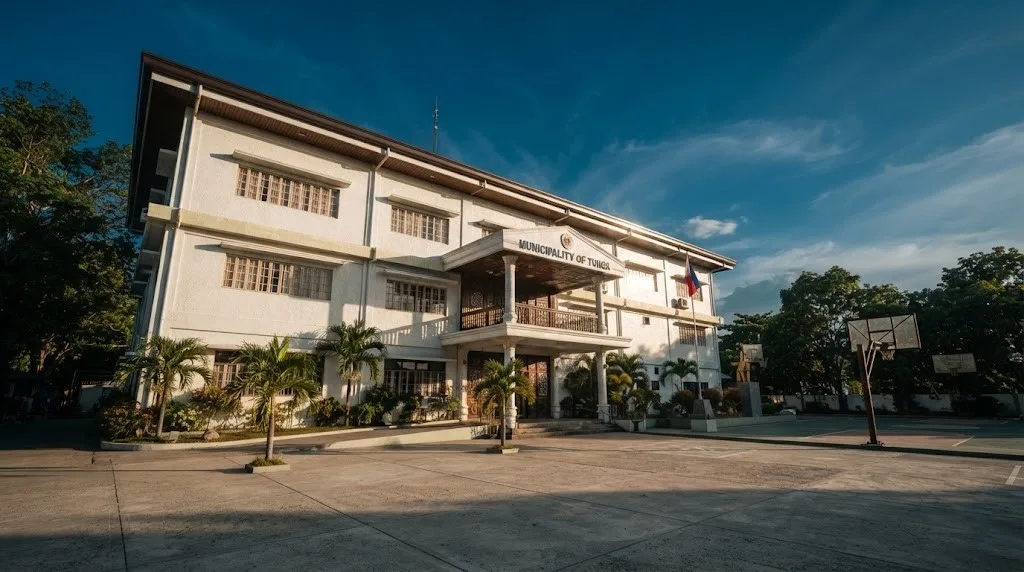
Bringing Development Projects to Eight Barangays
LEYTE - Tunga, one of Leyte’s smaller municipalities, is turning national government assistance into projects designed to address practical needs across its eight barangays. The municipality received PHP25 million through the Local Government Support Fund, giving the local government additional resources for projects that could not easily be accommodated under its regular annual budget. Local officials are directing the funding toward public safety, food security, and community welfare initiatives. The projects demonstrate how national financial assistance can give smaller local governments greater capacity to respond to concerns identified within their communities. By concentrating resources on basic needs, Tunga aims to ensure that the benefits of the funding reach residents at the barangay level.
386 Solar Streetlights to Improve Nighttime Safety
One of the municipality’s main projects involves the installation of 386 solar-powered streetlights throughout all eight barangays, including five barangays in the poblacion. The project is intended to improve visibility along roads and public spaces that previously had limited lighting, particularly after dark. Better illumination can make nighttime movement more convenient while providing residents with safer and more accessible community spaces. The use of solar-powered lighting also provides an alternative source of street illumination that does not depend entirely on conventional electricity. Installation has already started and is expected to be completed within the project's designated implementation period.
Rice Assistance Reaches Nearly 2,000 Households
The LGSF support is also helping address food security among vulnerable families in Tunga. Around 8,300 sacks of rice were distributed to nearly 2,000 households, with each household receiving 10 kilograms. The assistance provided additional food support to families dealing with financial pressures and rising food costs. For a small municipality with limited local resources, the distribution represents a direct way of extending government assistance to households that need additional support. The initiative also demonstrates how local and national governments can work together to address immediate household concerns while pursuing longer-term development projects.
