


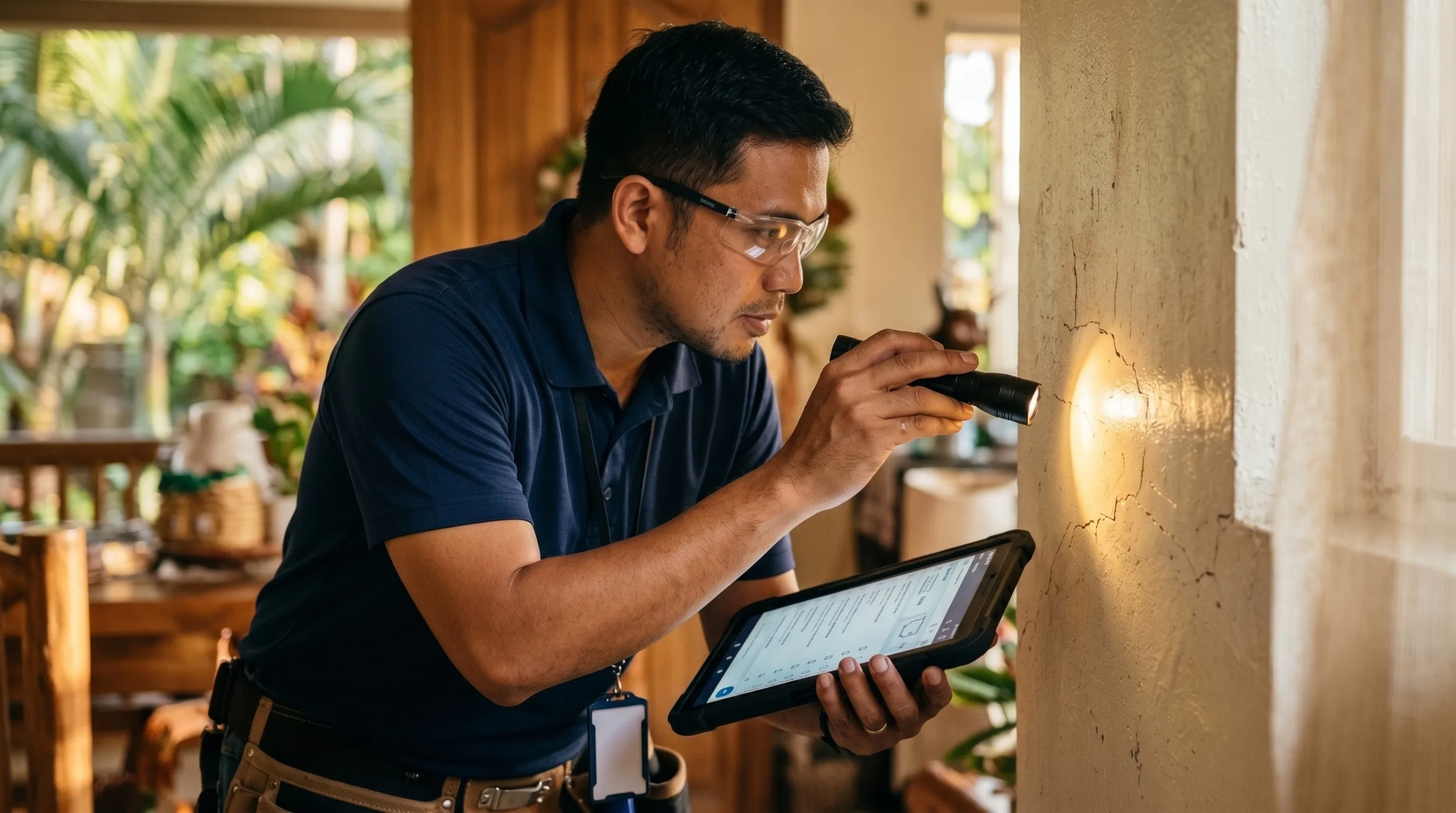
The Problems You Cannot See at First
BACOLOD - A fresh coat of paint can make a property look brand new, but it does not necessarily tell the whole story. An inspection can help identify signs of water leaks, moisture, damaged ceilings, deteriorating walls, poor drainage, or other issues that may require attention. The roof is another area worth examining, particularly for signs of leaks or damage that could become more expensive if ignored. Looking carefully at these parts of a home can help buyers distinguish between simple cosmetic concerns and problems that could require significant repairs.
What Is Happening Behind the Walls?
Some of the most important parts of a home are the ones buyers rarely notice. Plumbing and electrical systems can affect both comfort and safety, while improperly installed fixtures or aging components can create future expenses. An inspection can also examine doors, windows, ventilation, flooring, and other parts of the property for signs of wear or poor condition. In areas where heavy rain and tropical weather are considerations, drainage, roof condition, water intrusion, and exterior maintenance deserve particular attention. The goal is not to find a flawless house, but to understand what buyers are actually getting.
A Closer Look Can Strengthen a Buying Decision
Discovering a problem during an inspection does not automatically mean walking away from a property. Instead, the findings can help buyers estimate potential repair costs, discuss necessary repairs with the seller, or reconsider whether the property fits their budget. Buyers can also use the inspection as an opportunity to create a future maintenance plan. A home is a long-term investment, so understanding its condition before purchasing can prevent unpleasant surprises later. Sometimes, the most valuable thing an inspection reveals is not a defect—it is the confidence that comes from knowing more about the property before making the final decision.
