


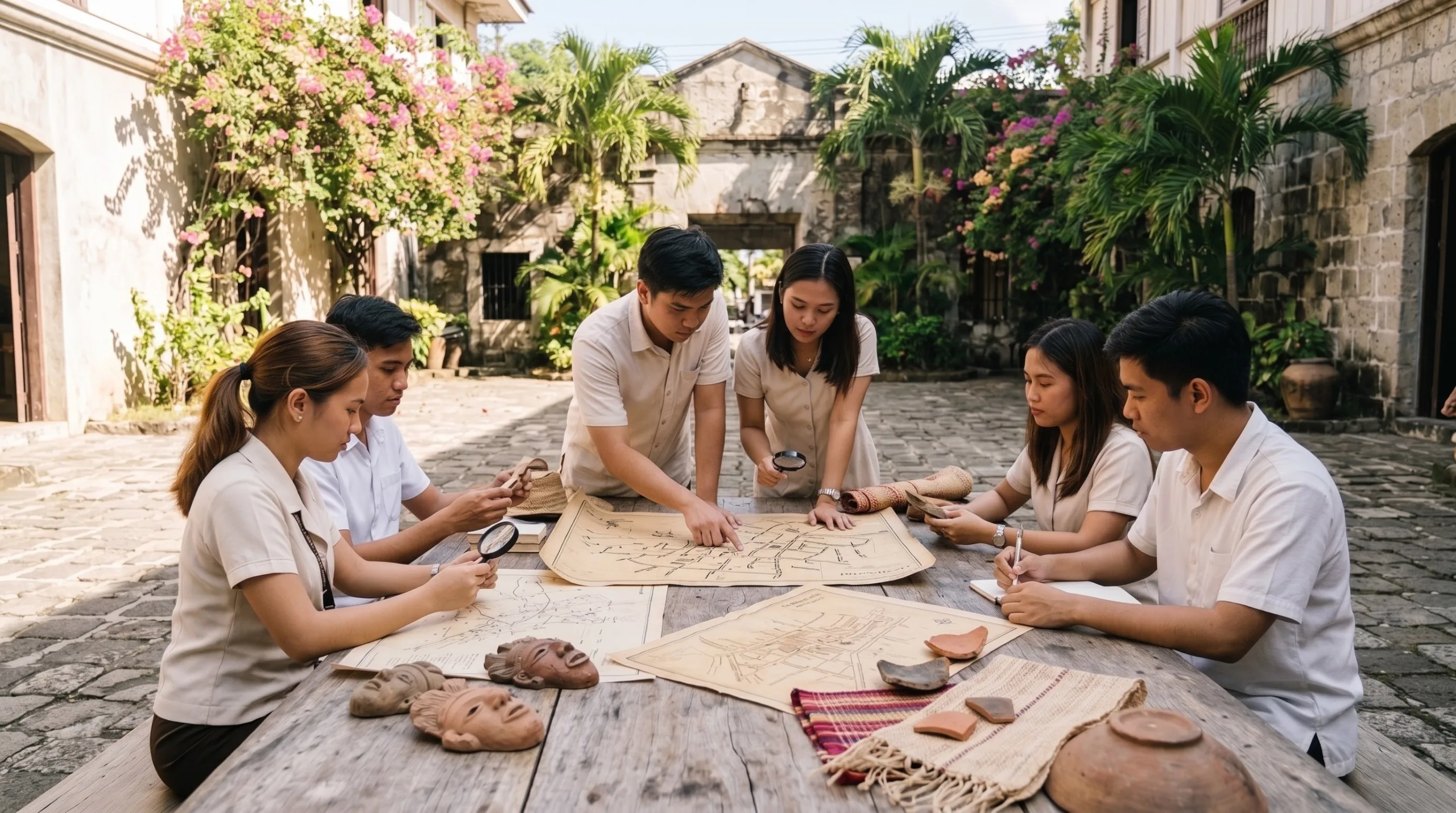
Familiar Places Can Become New Lessons
BACOLOD - A public plaza can introduce students to history, a market can teach them about economics, and a busy road can become a lesson in transportation and urban planning. Even a neighborhood can provide opportunities to observe how communities develop and how people use shared spaces. When students investigate places they already know, they may begin asking questions they would not normally consider. Why was this area developed here? How has it changed? Who uses it today? What could make it better? These questions transform ordinary surroundings into opportunities for research and discovery.
Local Research Makes Learning Feel Real
Studying the city can also encourage students to use different skills at the same time. They can interview community members, examine historical records, collect observations, map locations, analyze information, and present what they discover. A project about a local business can involve economics and communication, while studying a river or urban trees can connect science with environmental awareness. Exploring local traditions can bring history and culture into the same project. Instead of memorizing information for an exam, students can see how what they learn is connected to people and places they encounter every day.
Young Researchers Can See Their City Differently
Perhaps the most valuable result is that students can develop a stronger sense of connection to their community. Learning about local achievements can build pride, while studying local challenges can encourage students to think about possible solutions. They may discover that improving a city is not only the responsibility of government officials or professionals—it can also begin with people who take the time to understand their surroundings. When students study Bacolod, they are not simply learning about a place on a map. They are learning how a community works, how it changes, and how they might eventually help shape its future.
