A Familiar Place Reimagined
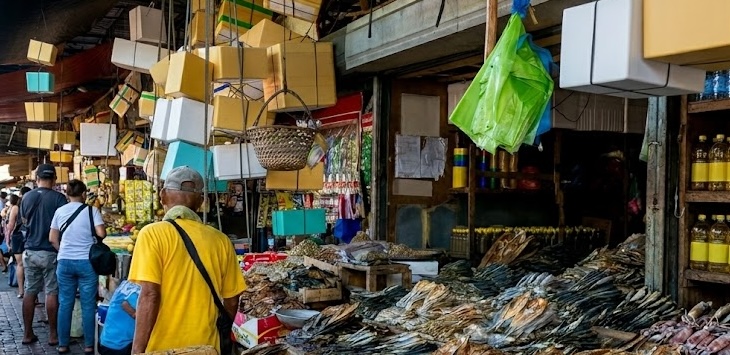
Public markets are often viewed as permanent fixtures within a city, yet they continue to evolve alongside the communities they serve. Plans for the redevelopment of the General Santos Central Public Market highlight how traditional spaces can adapt to modern expectations while maintaining their essential functions. Improved sanitation systems, more organized layouts, upgraded facilities, and mixed-use components are expected to transform how residents interact with one of the city's busiest commercial hubs. The project reflects changing priorities in urban planning and public infrastructure. Rather than replacing the market's role, redevelopment seeks to strengthen its ability to meet the needs of future generations.
The Ripple Effect Beyond the Market
Large redevelopment projects frequently influence surrounding areas in ways that extend far beyond the construction site itself. As improvements take shape, businesses often adjust their operations, property owners reassess investment opportunities, and nearby commercial activity may expand. Public markets occupy strategic locations because they attract steady and reliable foot traffic throughout the year. Enhancements to these spaces can encourage complementary developments, including retail establishments, service providers, and transportation improvements. The transformation of the General Santos Central Public Market therefore carries implications beyond daily retail activity and may influence how residents, visitors, and investors perceive the surrounding district.
More Than a Construction Project
The most significant aspect of redevelopment is often how it changes behavior and improves everyday experiences. Better facilities can encourage longer visits, support vendors more effectively, and create a more comfortable environment for customers. These outcomes contribute to a stronger local economy while preserving the market's long-standing role as a gathering place for the community. Modernization does not necessarily require abandoning tradition or altering the character that residents value. Instead, redevelopment can provide a practical framework for helping familiar institutions remain relevant, accessible, and beneficial. In this way, the project supports both economic growth and community continuity.