


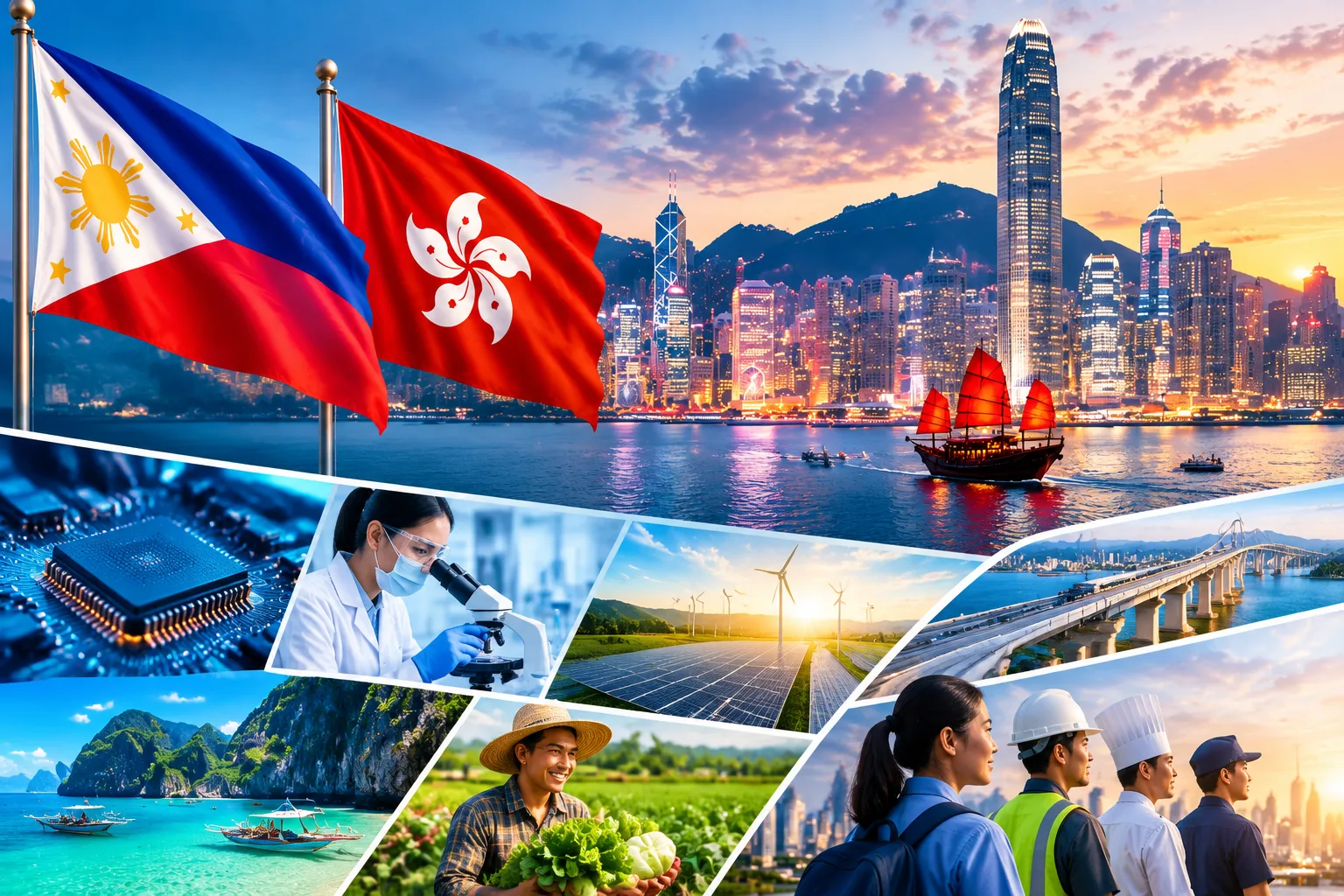
PHILIPPINES — The Philippine economic team, led by Finance Secretary Frederick Go, presented the country's investment opportunities and reform agenda to business leaders in Hong Kong on Monday. The briefing aimed to strengthen economic ties and attract foreign capital that could generate quality jobs and support overseas Filipino workers.
A Pitch for Growth and Reform
Secretary Go emphasized the complementary strengths of the Philippines and Hong Kong. He described Hong Kong as a global financial hub and Asia's gateway, while positioning the Philippines as a fast-growing economy with talent, scale, and strategic location. The partnership seeks to leverage these advantages for mutual benefit.
The economic team showcased key reforms designed to simplify doing business. These include the CREATE MORE Act, the new Public-Private Partnership Code, and the Capital Markets Efficiency Promotion Act. Green Lanes for Strategic Investments and streamlined transactions were also highlighted as incentives for potential investors.
Targeting Sectors That Create Quality Jobs
The government is actively courting investment in industries that promise higher-paying positions. Semiconductors, mineral processing, pharmaceuticals, renewable energy, and infrastructure are priority sectors. Tourism and agriculture also form part of the targeted growth areas.
These industries are expected to produce skilled employment opportunities that can retain Filipino talent domestically. For a country that has long relied on exporting labor, this shift offers a path toward building a stronger local workforce. The reforms are designed to make the Philippines a more attractive destination for long-term capital.
Direct Benefits for Overseas Filipino Workers
Hong Kong hosts over 200,000 Filipino workers, making it one of the most important destinations for OFWs. The economic briefing reinforces bilateral ties and ensures continued demand for Filipino labor. It also opens channels for the Department of Migrant Workers to enforce fair wages and workplace protections.
The stable environment fostered by active diplomatic engagement benefits OFWs directly. They gain greater job security and stronger institutional support while working abroad. The Philippine government's presence in Hong Kong sends a clear signal that worker welfare remains a priority.
Cheaper Remittances, Smarter Investments
Collaboration with Hong Kong's advanced financial infrastructure promises to streamline remittance flows. Lower transaction costs mean families receive more of every peso sent home. This efficiency directly supports household needs like education, healthcare, and daily expenses.
Beyond remittances, the reforms offer OFWs new ways to grow their savings. The Capital Markets Efficiency Promotion Act simplifies how overseas earnings can be invested in Philippine equities, real estate, and government bonds. These options help workers build long-term assets while still abroad.
Pathways for a Dignified Return
The ultimate goal of the investment push is to create an environment where working abroad becomes a choice rather than a necessity. As foreign capital flows into high-growth sectors, new local jobs emerge that can absorb returning workers. This provides OFWs with viable options if they choose to come home permanently.
The economic briefing in Hong Kong represents more than a diplomatic event. It is a strategic move to harness global capital for national development while safeguarding the interests of the country's modern-day heroes. The twin goals of growth and protection define this initiative.
