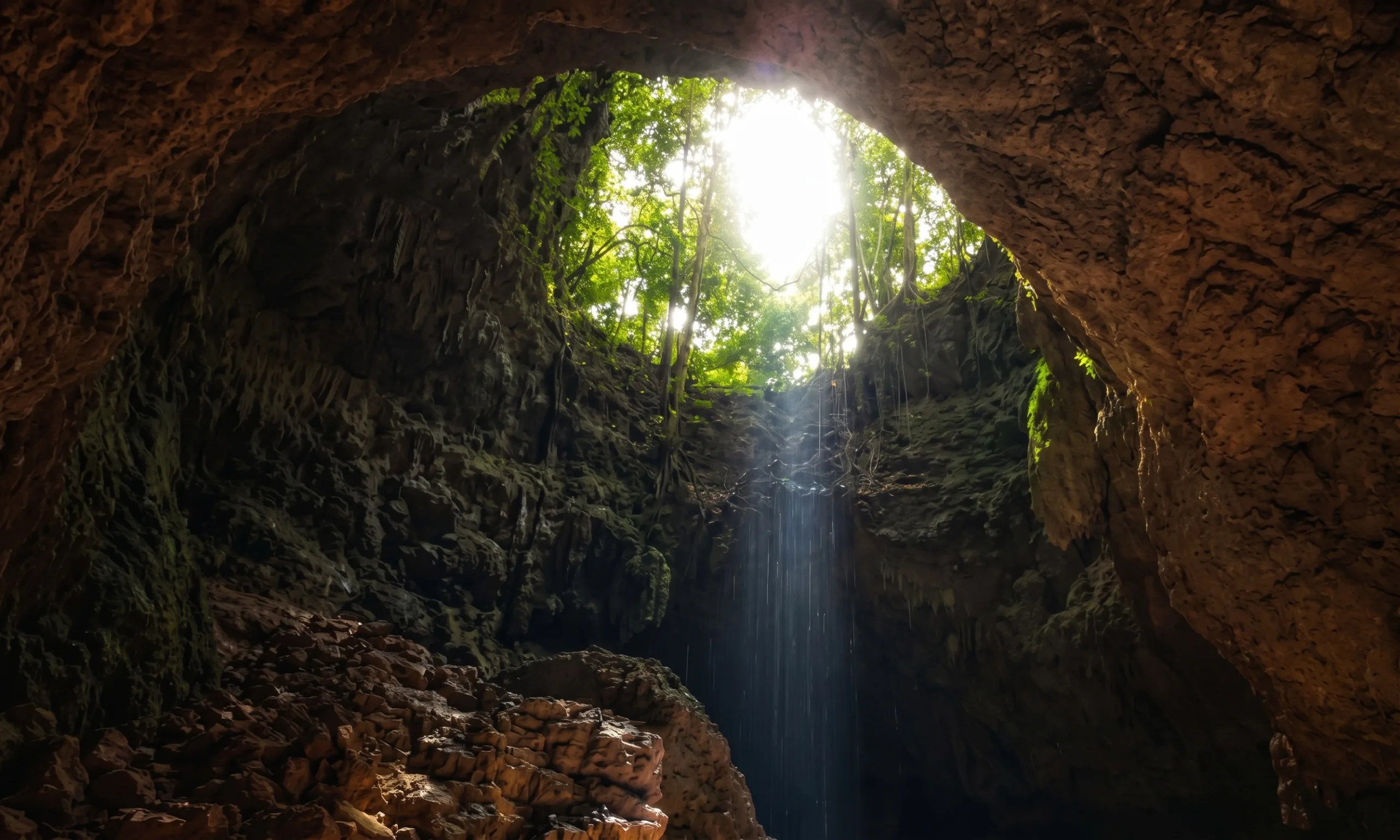
BISLIG CITY — Under the forest-covered hills of Barangay San Vicente lies a remarkable underground destination where sunlight, water, rock formations, and wildlife come together. Hinayagan Cave offers visitors more than an adventurous journey beneath the earth, it provides a glimpse into geological processes that have unfolded over thousands of years. The cave's name comes from the Cebuano word meaning “lighted,” inspired by one of its most distinctive features: a natural opening in the ceiling that allows sunlight to reach the chambers below.
Where Water and Time Shape the Cave
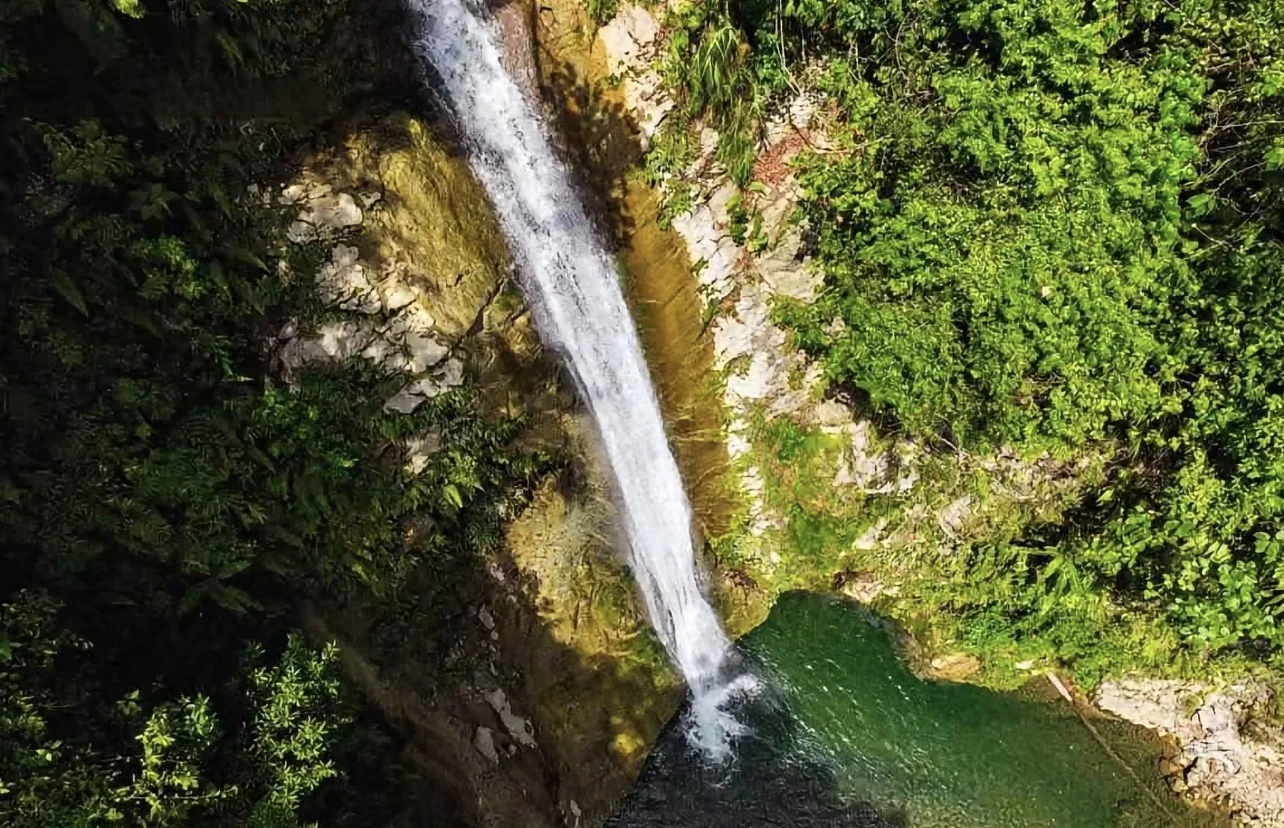
Previously known as Suhoton, the cave was given the name Hinayagan by local residents to distinguish it from other caves carrying the same name. The first chamber stretches about 100 meters in length and features an entrance with a 15-meter radius. A creek flows into the cave and feeds a small waterfall, while a swimming area measuring about 50 meters wide leads toward the entrance of the second cave. An underground river also passes through the cave system, adding to its unique subterranean landscape. One of the cave's most remarkable features is a 10-meter-diameter opening in the middle of the ceiling. Through this opening, sunlight filters into the chamber, naturally illuminating the interior while also providing an entry and exit point for birds and other winged creatures. Inside, visitors can find stalactites shaped by mineral-rich water over thousands of years. Some formations resemble elephant trunks and balusters, offering a striking reminder of the slow geological processes responsible for creating the cave.
A Class III Cave for Guided Exploration
Hinayagan Cave is classified as a Class III cave under Department of Environment and Natural Resources (DENR) guidelines. The classification covers caves generally considered suitable for inexperienced visitors, with no known threatened species or fragile archaeological values. Such caves may also be used for guided recreational activities and certain economic purposes, including guano extraction and edible birds' nest collection. Its classification makes Hinayagan suitable for families, students, and first-time cave explorers who want to experience an underground environment without the technical requirements associated with more challenging cave systems. Still, guided exploration remains important to ensure visitors appreciate the cave while minimizing their impact on its natural formations and ecosystem.
Preparing the Community for Responsible Cave Tourism
As interest in Bislig's natural attractions grows, local authorities are also working to ensure that tourism does not come at the expense of environmental protection. The Bislig City Environment and Natural Resources Office, in partnership with DENR CENRO Bislig, conducted a training workshop focused on cave guiding and the deputation of cave protection enforcement officers. Barangay officials, youth leaders, and landowners participated in the activity, gaining knowledge and skills related to safe exploration, responsible cave management, and protection of the area's natural resources. The initiative forms part of the city's broader efforts to develop eco-tourism while preserving Bislig's geological heritage for future generations.
An Adventure That Teaches Along the Way
A visit to Hinayagan Cave can be both an adventure and a learning experience. Through guided exploration, visitors can discover how limestone caves develop, how stalactites and stalagmites form at different rates, and how human activities can affect fragile underground ecosystems. The cave demonstrates the close relationship between water, rock formations, wildlife, and the surrounding environment. Each passage and formation offers another opportunity to understand the natural processes that shaped the underground landscape. As Bislig City continues to develop its tourism offerings, Hinayagan Cave stands out as an attraction where exploration and environmental education go hand in hand, showing how natural treasures can support local tourism and livelihoods while encouraging greater appreciation for the environment.