


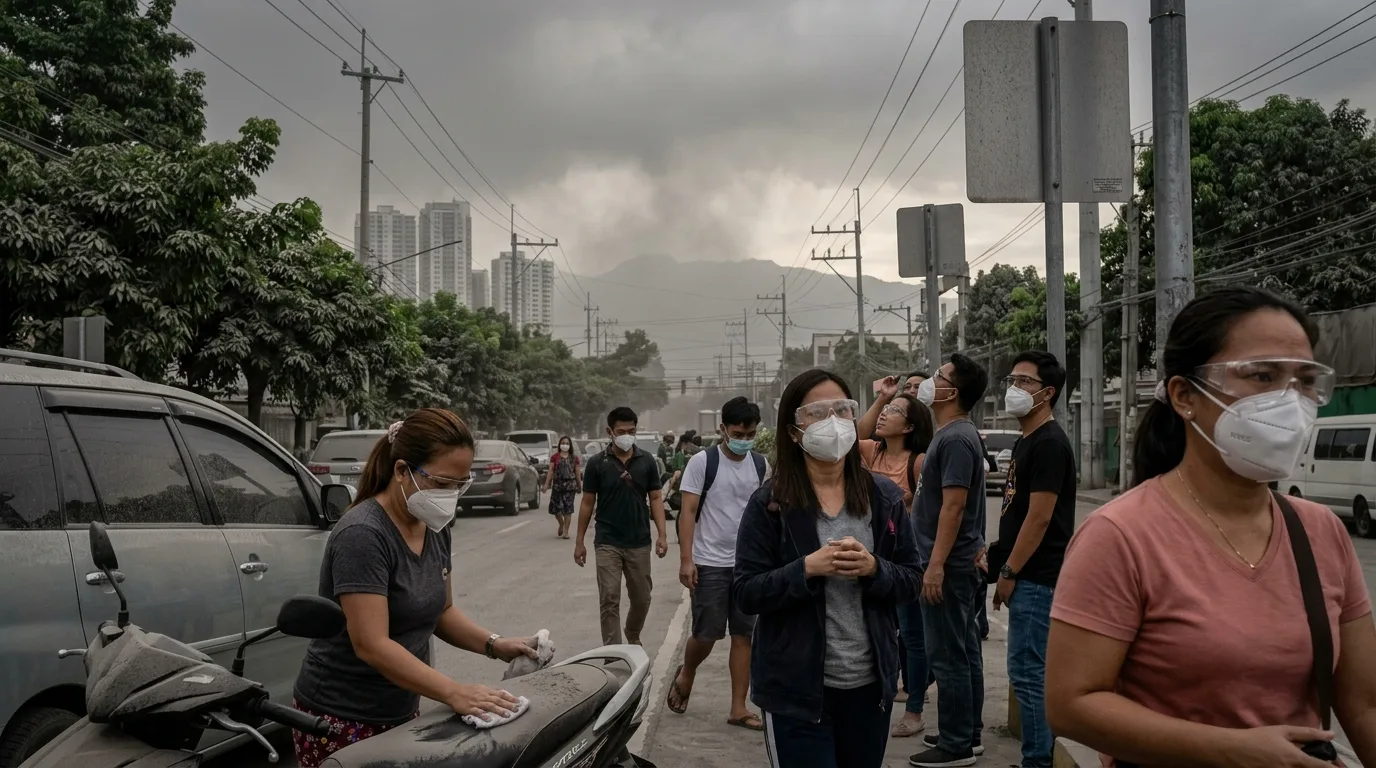
Cebu — The residents of Cebu were met with an unexpected gray blanket on the morning of July 9, 2026, as volcanic ash from the moderately explosive eruption of Mount Kanlaon on neighboring Negros Island drifted eastward. While the volcano is situated well away from the province, the rare occurrence of ashfall in Metro Cebu and western towns left many questioning how such a phenomenon could travel across the Tañon Strait. Experts from the Philippine Institute of Volcanology and Seismology (Phivolcs) and the Philippine Atmospheric, Geophysical and Astronomical Services Administration (PAGASA) have since clarified that this event was driven by a specific combination of atmospheric conditions and monsoon activity.
The Perfect Storm: How Weather Guided the Ash
According to Mariton Antonia Bornas, head of the PHIVOLCS Volcano Monitoring and Eruption Prediction Division, weather does not trigger eruptions, but it dictates the trajectory of volcanic debris. At the time of the 7:33 a.m. eruption, the Philippines was experiencing the combined influence of the southwest monsoon (habagat) and the proximity of Typhoon Inday (Bavi). These strong, eastward-moving winds acted as a conveyor belt, carrying the ash plume from the summit crater directly toward Central Visayas at speeds reaching 50 km/h. Furthermore, the cool, rainy conditions common during this monsoon season kept the atmosphere dense, preventing finer ash particles from settling quickly and allowing them to remain suspended in the air over much longer distances than usual.
Duration and Future Risks
Cebuanos have been eager to know when the skies will clear, and meteorologists have offered a hopeful, albeit conditional, outlook. If Mount Kanlaon remains stable and does not produce further explosive events, the main ash plume was projected to move beyond Cebu toward Leyte roughly six hours after the initial eruption, with the province expected to be largely clear by Friday, July 10. However, experts warn of the potential for "remobilization"—a process where previously deposited ash on Negros Island is lifted back into the air by strong winds and transported again. While this is more likely to impact communities closer to the volcano, authorities remain vigilant, continuously monitoring wind patterns to see if atmospheric conditions might shift the ash back toward the Cebu coastline.
Staying Prepared Amidst Volcanic Unrest
As the province navigates the aftermath of this event, the focus has shifted toward long-term preparedness and safety. Health and environmental agencies continue to emphasize the importance of using proper N95 or KN95 respirators to filter PM10 particles, which can cause significant respiratory distress. Local government units across Cebu have proactively suspended classes and begun distributing masks to protect students and vulnerable populations from the fine volcanic debris. By maintaining a state of readiness and relying on official PHIVOLCS updates rather than social media speculation, Cebuanos can ensure they are prepared should the volcano show further signs of unrest in the coming days.
