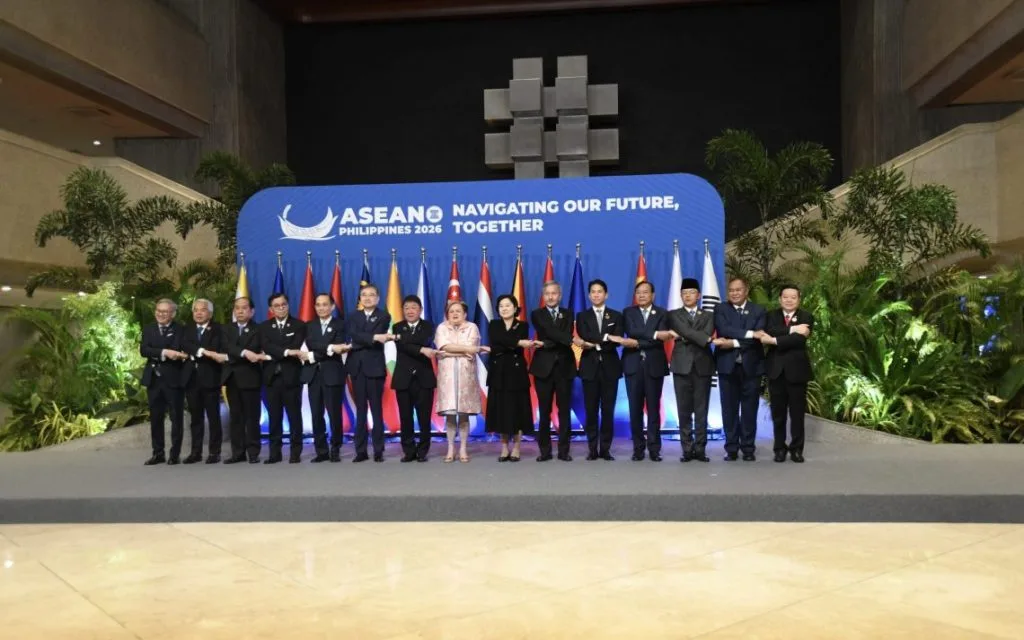
PHILIPPINES — Foreign ministers from the ASEAN Plus Three nations gathered in Manila on July 23, 2026 and adopted a sweeping 10‑year agricultural strategy alongside commitments to accelerate major free trade agreements. The meeting, chaired by Philippine Foreign Affairs Secretary Ma. Theresa P. Lazaro, brought together diplomats from Southeast Asia, China, Japan, and South Korea to fortify regional economic resilience.
A Decade‑Long Blueprint for Food Security
The centerpiece of the gathering was the ASEAN Plus Three Cooperation Strategy on Food, Agriculture, and Forestry 2026–2035. This initiative aims to protect the region’s food supply chains from climate shocks, price volatility, and supply disruptions. It reinforces the ASEAN Plus Three Emergency Rice Reserve, a mechanism that allows member nations to quickly access rice stocks during calamities.
The strategy also commits signatories to embed digital technologies deeper into farming. Smart tools, data‑driven logistics, and improved storage will help farmers produce more with less waste. By modernizing the agricultural backbone of the region, the ministers hope to keep staple food prices stable and accessible for millions of households.
Accelerating the Region’s Trade Engines
The ministers pledged to fast‑track the implementation of the Regional Comprehensive Economic Partnership, the world’s largest free trade agreement. They also agreed to speed up upgrades to existing bilateral free trade pacts with China, Japan, and South Korea. These moves are designed to slash tariffs, simplify customs rules, and open digital trade corridors.
Small and medium enterprises stand to gain significantly from the accelerated trade agenda. Simplified origin rules and reduced red tape make it easier for local businesses to sell goods across borders. The ministers recognized that empowering micro and small entrepreneurs is essential for inclusive growth, particularly as the global economy faces persistent uncertainties.
Strengthening Supply Chains and Connectivity
Beyond food and tariffs, the dialogue focused on building more resilient supply chains. The ministers endorsed measures to prevent logistical bottlenecks and enhance digital connectivity, which have become vital for seamless regional commerce. The joint declaration underscored that open, predictable trade remains the foundation of East Asia’s prosperity.
The agreements reached in Manila will shape the agenda for the 29th ASEAN Plus Three Summit scheduled for November 14, 2026. Leaders are expected to sign off on the detailed action plans, translating the ministers’ commitments into concrete national policies. The Philippines, as ASEAN chair this year, is positioning itself at the forefront of regional economic integration.
A Unified Response to Global Challenges
The Manila meeting reflected a shared recognition that no single country can insulate itself from rising food prices or supply chain fractures. By pooling resources and harmonizing policies, the ASEAN Plus Three bloc aims to create a buffer against global economic headwinds. The 10‑year agricultural strategy and the renewed push for free trade are tangible steps toward that goal, promising a more stable and prosperous region for years to come.