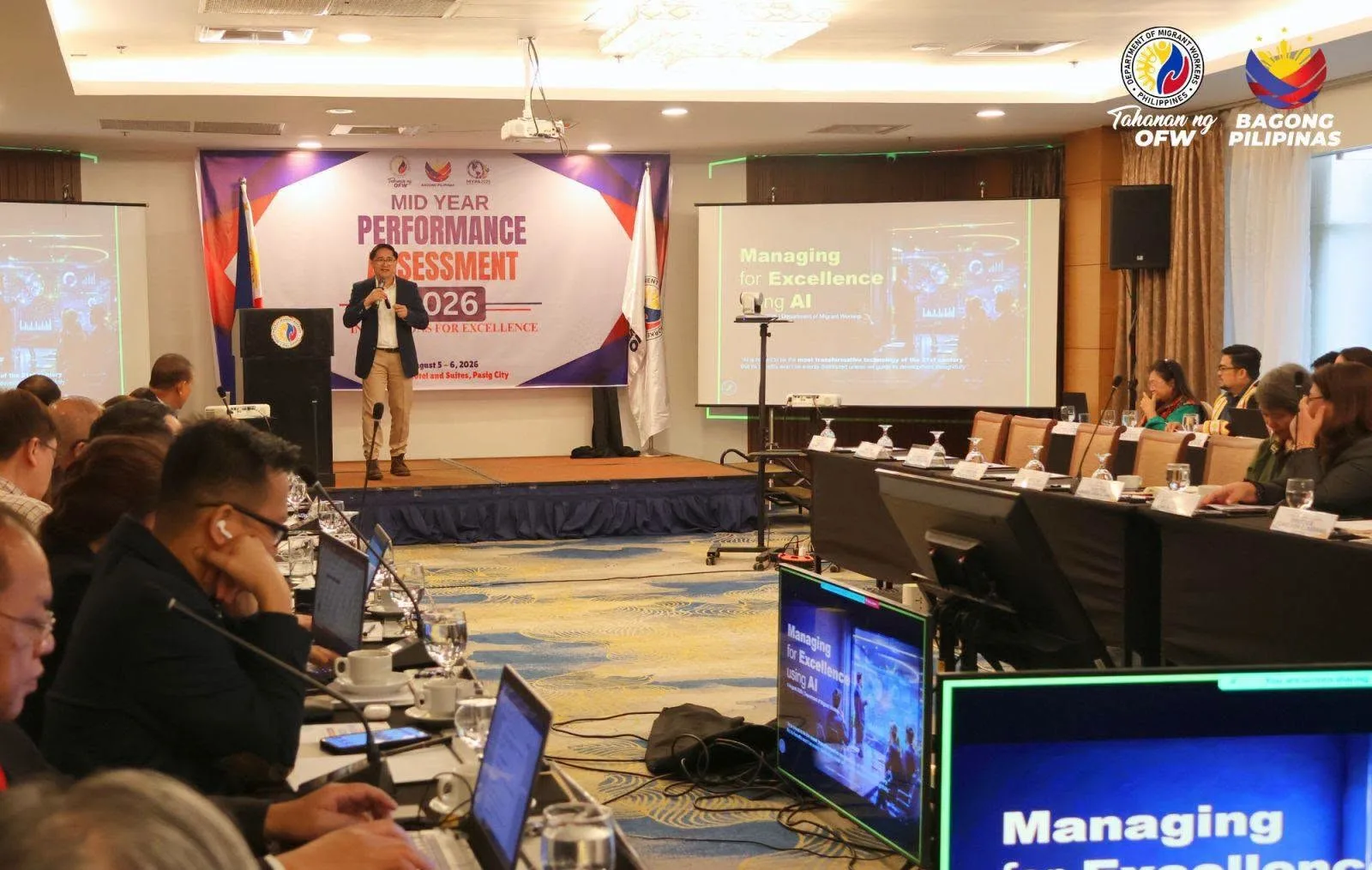
PHILIPPINES — Migrant Workers Secretary Hans Leo J. Cacdac directed all Department of Migrant Workers (DMW) officials to fast‑track the rollout of key programs during the agency’s Mid‑Year Performance Assessment on August 5, 2026. The order aims to make government services faster, smarter, and more responsive for overseas Filipino workers and their families.
A Push for Speed and Service Excellence
Secretary Cacdac stressed that continuous innovation must drive every DMW office, from central to regional levels. He pointed to the finalization of a regional operations manual that will standardize how assistance reaches OFWs, whether they are in Metro Manila or in a far‑flung Migrant Workers Office abroad. Improved ISO processes and the Quality Management Service are also being strengthened to cut down waiting times and eliminate repetitive paperwork.
The secretary further urged officials to complete the Labor Migration Management Plan. This blueprint will guide the department’s response to shifting global labor demands, ensuring that Filipino workers are matched with ethical employers and emerging opportunities. Cacdac emphasized that these targets are not aspirational; they are commitments that must be met before the year ends.
OFW Pass Now Fully Recognized by Airlines
A major milestone discussed was the full rollout of the OFW Pass, the digital replacement for the traditional Overseas Employment Certificate. Airlines now recognize the OFW Pass, allowing workers to clear departure requirements without lining up at government counters. The shift saves time, reduces forgery risks, and puts the power of compliance directly in the worker’s smartphone.
Cacdac paid tribute to the late Susan “Toots” Ople, the DMW’s first secretary, whose vision laid the groundwork for this digital leap. He ordered regional and overseas offices to intensify information campaigns so that every departing and returning OFW knows how to access and use the OFW Pass. The message is simple: technology should make migration safer, not more complicated.
Smarter Assistance Through the AKSYON Fund
Another critical topic was the AKSYON (Agarang Kalinga at Saklolo para sa mga OFW na Nangangailangan) Fund, which provides immediate relief to distressed workers. Secretary Cacdac cautioned that long‑term sustainability of the fund requires careful, case‑by‑case financial assessment rather than one‑size‑fits‑all payouts. Each situation is unique, and the help provided should match the actual need.
This calibrated approach ensures that the fund can serve more workers over a longer period without running dry. Officials were told to balance compassion with fiscal responsibility, especially as global uncertainties continue to affect overseas employment. The goal is to be both generous and wise with the resources entrusted to the department.
Protecting OFWs and Maintaining Global Trust
Cacdac reinforced the department’s commitment to keeping the Philippines at Tier 1 status in the U.S. State Department’s anti‑human‑trafficking campaign. Strong reintegration partnerships with other government agencies remain essential, he said, so that returning OFWs find meaningful livelihood opportunities and are not vulnerable to traffickers. The mid‑year review also highlighted the need for swift, coordinated action when a Filipino worker is in distress abroad, whether due to abuse, illness, or contract violations.
The secretary closed with a clear directive: every official, every program, and every peso must serve the welfare of the modern‑day hero. The accelerated pace of reform is not just about efficiency; it is about honoring the sacrifice of every overseas Filipino.