From Partnership to Practical Support
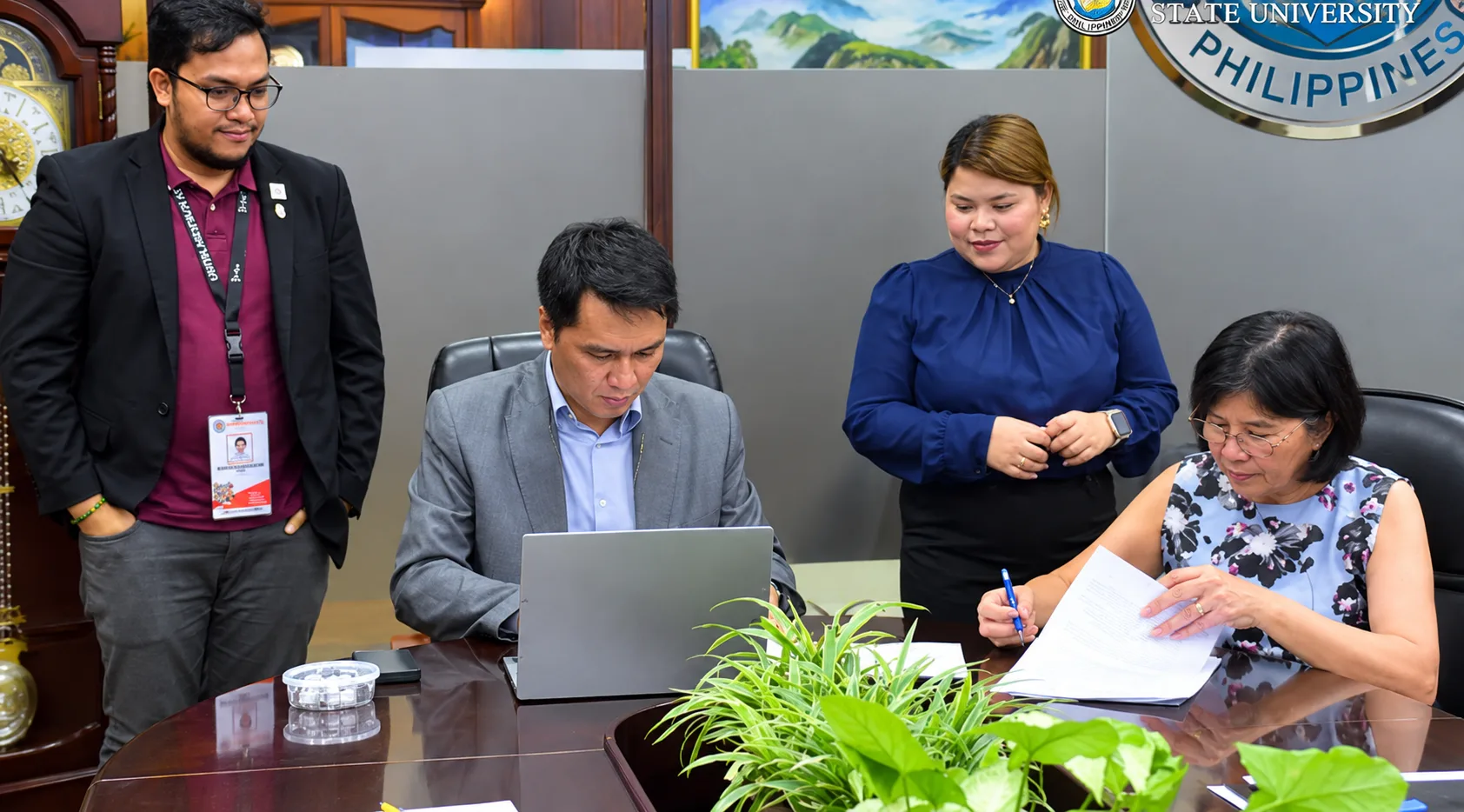
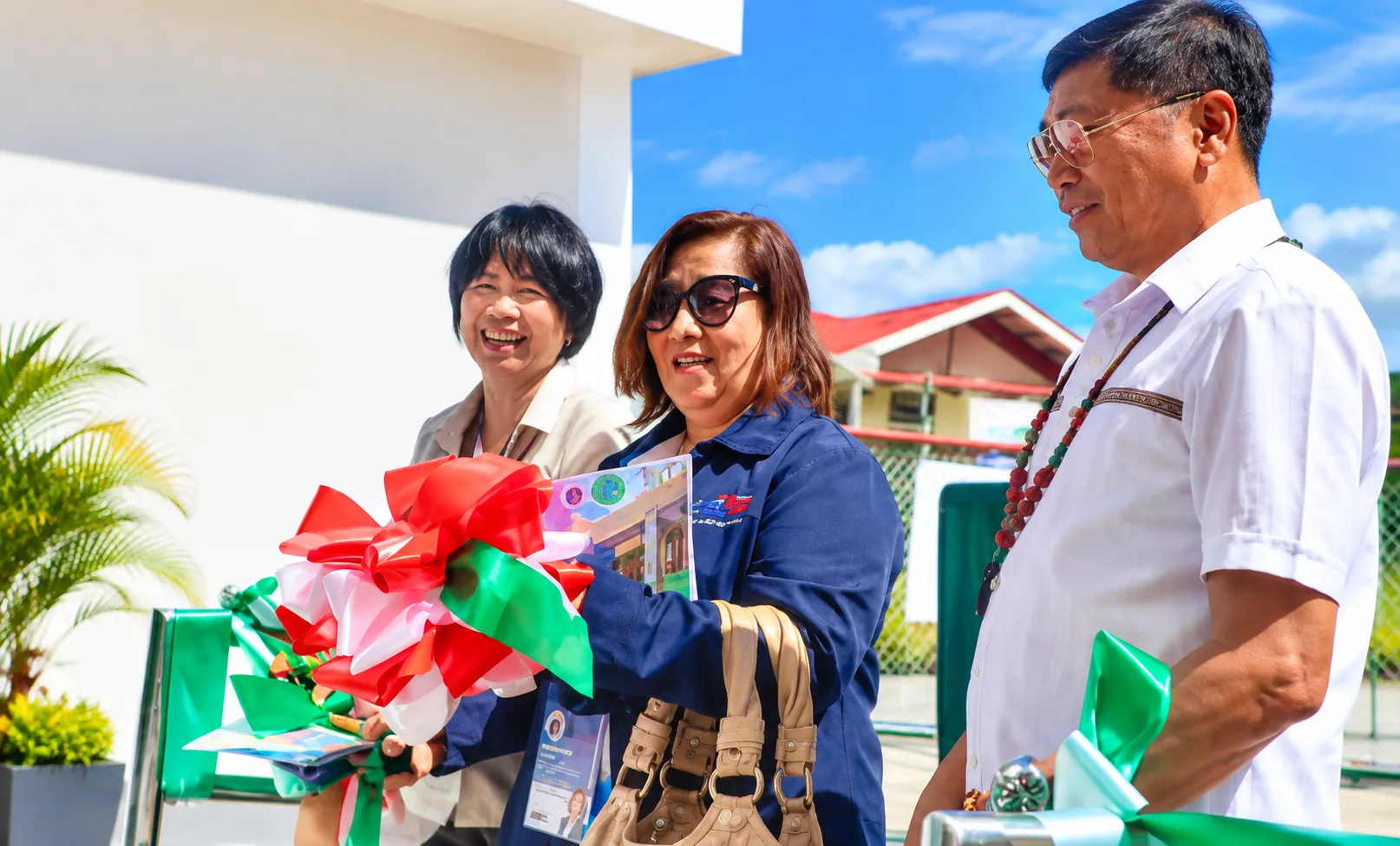
OZAMIZ CITY - The connection between MAIS and Misamis University Graduate School is not simply a ceremonial partnership. Misamis University's own published account identifies MAIS as a partner community for the Reading Education Advancement Program (REAP) under its Master of Arts in Education and Doctor of Education programs. The university has described REAP as a community-extension effort connected with reading education, teacher support, and learner welfare. Earlier work with MAIS also included learning-resource support and assistance in developing a learning resource center. These details give useful context to the latest collaboration: the relationship has a practical education focus, with university personnel and graduate-school programs contributing to activities connected to a partner basic-education community.
Learning Support That Reaches Beyond the Campus
What makes the arrangement interesting is the exchange between graduate education and basic education. Graduate-school programs are naturally connected with research, professional development, and educational practice, while a school such as MAIS works directly with children and teachers every day. Bringing those environments together can provide a place where ideas from advanced study meet the realities of classroom education. Misamis University has also published information about REAP activities at MAIS involving literacy and nutrition support, showing that the partnership has extended beyond a single academic exercise. The available sources do not justify claiming specific improvements in test scores or reading levels, but they do document sustained educational cooperation.
A Shared Goal for Ozamiz Learners
The partnership also fits into a wider pattern of community-oriented work at Misamis University. In 2026, researchers affiliated with the university's Graduate School continued publishing studies addressing education and community concerns, including research on working criminology students and community-based early-warning systems. Those publications are separate from the MAIS partnership, but they illustrate the broader role of graduate education in producing research and ideas that can engage real-world issues. For MAIS and Misamis University, the more immediate story is closer to home: schools are sharing resources, people, and educational experience. That kind of cooperation may not produce a dramatic headline, but it can create useful connections around the everyday work of educating young people.