PHILIPPINES — President Ferdinand R. Marcos Jr. officially accepted the credentials of four non‑resident ambassadors at Malacañan Palace on August 4, 2026, opening doors to new economic partnerships across Africa and the Caribbean. The ceremony marked the start of deeper bilateral cooperation in trade, agriculture, education, and tourism.
A Palace Welcome for New Partners
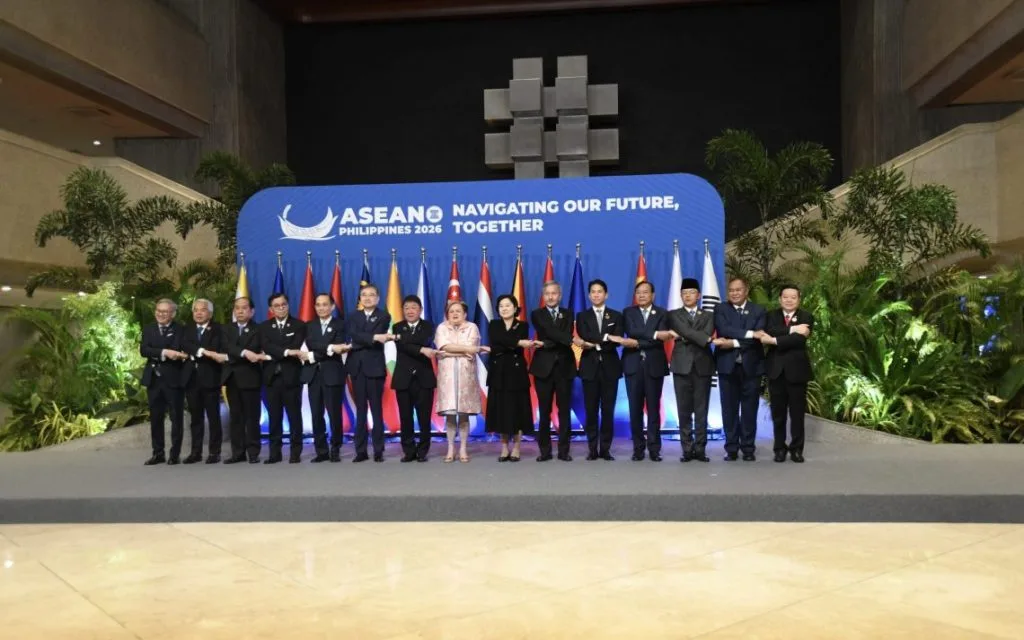
The ambassadors, representing the Kingdom of Lesotho, the Dominican Republic, the Republic of The Gambia, and the Gabonese Republic, each presented their letters of credence to the President. These formal documents authorize them to speak on behalf of their governments. The event highlighted the Philippines’ push to broaden its global network beyond traditional allies.
President Marcos held brief bilateral talks with each envoy after the ceremony. He expressed strong interest in exploring concrete areas of cooperation that would bring mutual benefits. The meetings focused on practical sectors that can create jobs and spur development in both the Philippines and the ambassadors’ home nations.
Expanding Ties with Lesotho and The Gambia
In his conversation with Ambassador Retselisitsoe Theko of Lesotho, President Marcos identified education, technical training, healthcare, and skills development as priority areas. He also stressed the potential for trade and investment between the Philippines and the southern African kingdom. Ambassador Theko noted that both countries share a commitment to peaceful development and the advancement of their people.
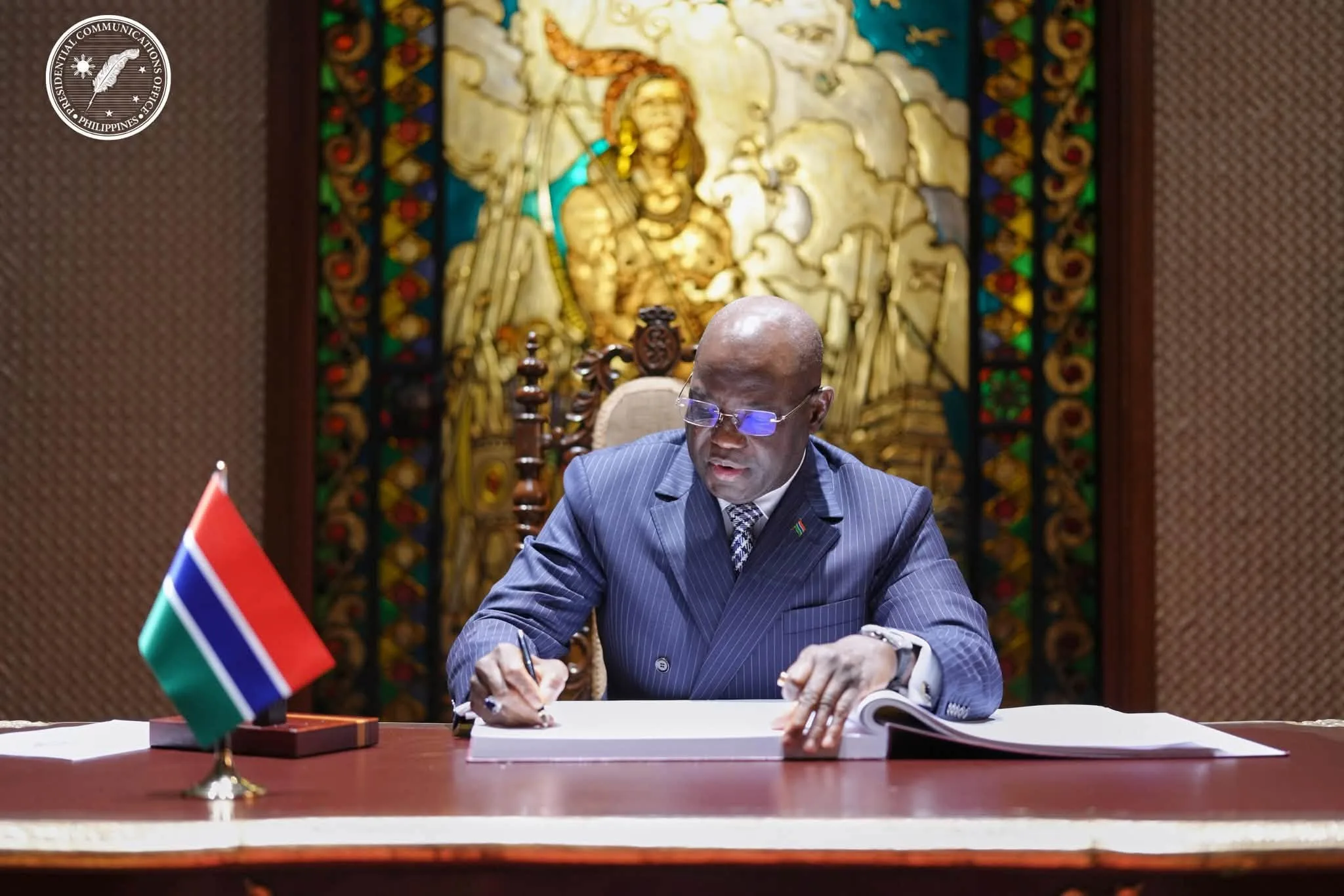
The Gambia’s new envoy, Ambassador Masanneh Nyuku Kinteh, received a similarly warm reception. President Marcos highlighted agriculture, education, trade, and tourism as sectors ripe for collaboration. The West African nation sees value in exchanging knowledge and products with the Philippines, and the President assured the ambassador of his government’s readiness to deepen those ties.
Caribbean and Central African Connections
Ambassador Reinaldo Rafael Espinal of the Dominican Republic also presented his credentials. President Marcos expressed hope that his tenure would be productive and bring tangible benefits to both nations. The Caribbean region represents a relatively untapped market for Philippine goods and services, and the ambassador’s appointment signals a willingness to explore fresh opportunities.
Gabon’s Ambassador Landry Mboumba completed the roster of new envoys. While his discussions with the President were brief during the ceremony, his presence in Manila paves the way for future consultations on trade, investment, and cultural exchange. The four appointments collectively mark a significant step in the Philippines’ diplomatic outreach.
A Strategic Push for Global Partnerships
The non‑resident ambassadors typically operate from embassies in neighboring Asian countries but make regular visits to the Philippines to conduct official business. Their accreditation allows them to represent their nations’ interests and negotiate agreements that boost economic and people‑to‑people ties. By engaging with developing nations, the Philippines aims to strengthen South‑South cooperation and build a more diverse network of allies.
The President’s welcoming remarks consistently emphasized the need to move beyond ceremonial exchanges and toward actionable outcomes. The focus on education, healthcare, and agriculture aligns with the administration’s broader development agenda. These sectors offer immediate opportunities for Filipino expertise to be shared while also opening new markets for Philippine products.