A Consultation Before Guidelines Take Shape
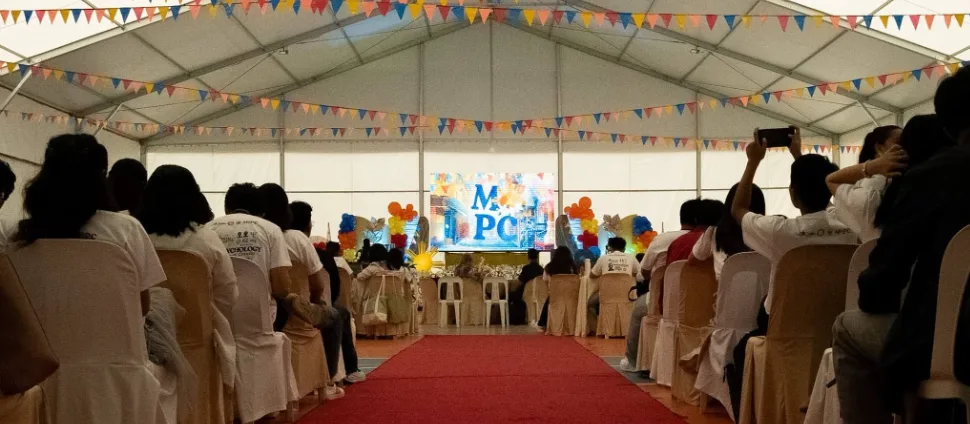
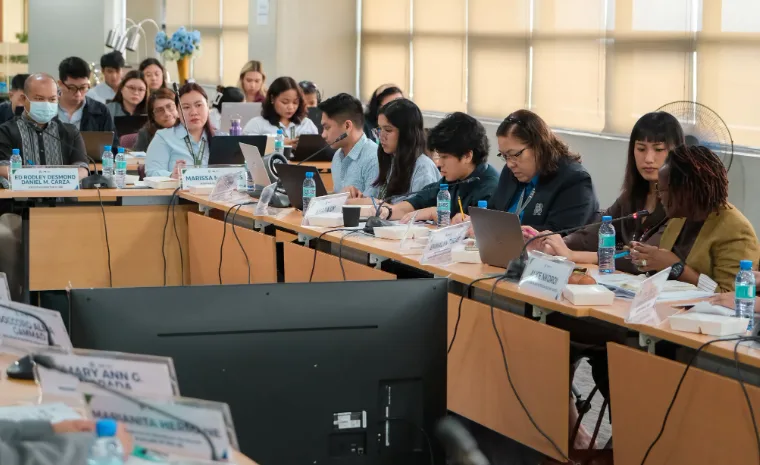
OZAMIZ CITY- Public consultations allow stakeholders to examine proposed policies, raise practical concerns, and share suggestions based on their work and community needs. In the case of the draft Joint Memorandum Circular on Integrated First 1,000 Days Services, the subject is how different agencies and service providers can coordinate maternal and child health and nutrition interventions. The consultation process can help identify implementation questions that may need clarification before the guidelines are finalized. No specific consultation date, venue, attendance figures, or decisions in Ozamiz could be verified from the supplied reference.
Why the First 1,000 Days Matter
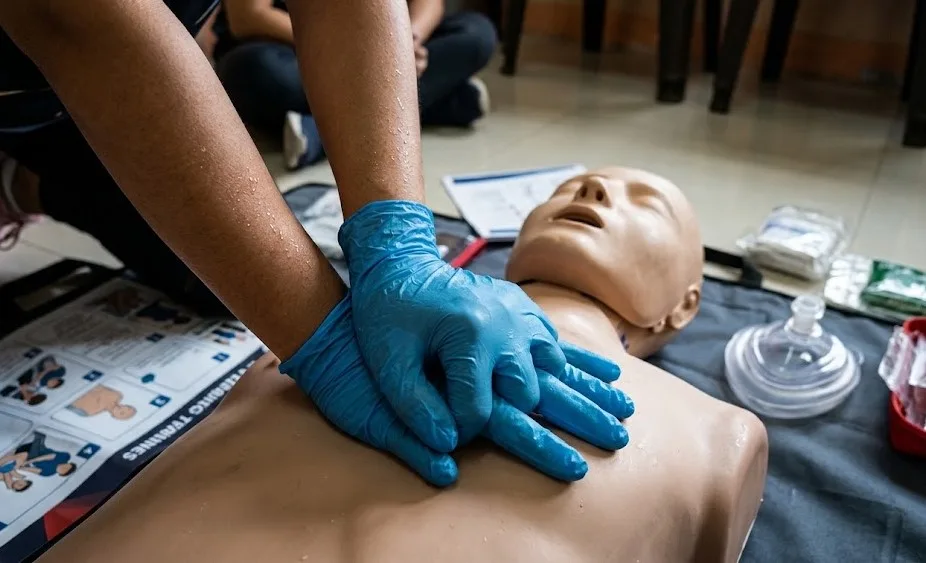
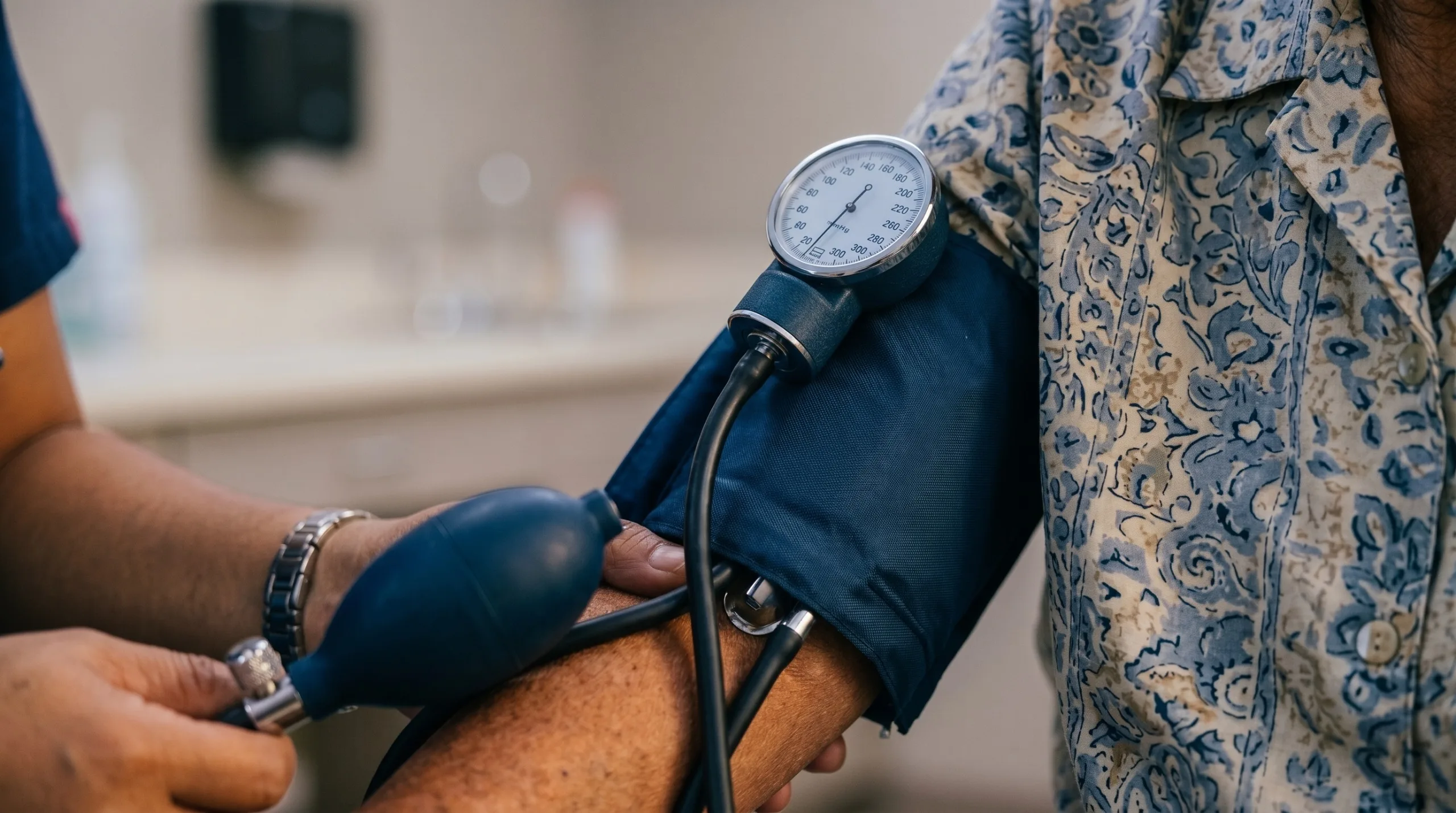
The first 1,000 days cover the period from conception until a child reaches two years old, a crucial stage for growth and development. Republic Act No. 11148, also known as the Kalusugan at Nutrisyon ng Mag-Nanay Act, calls for coordinated health and nutrition interventions for pregnant and lactating women, infants, and young children. These services include maternal care, breastfeeding support, appropriate complementary feeding, growth monitoring, and other interventions suited to each stage of development. In Northern Mindanao, the National Nutrition Council has also emphasized the importance of including First 1,000 Days interventions in local nutrition plans.
Turning Guidance Into Practical Community Support
For families in Ozamiz, effective implementation of nutrition policies depends on whether services are accessible and coordinated at the community level. Health facilities, community health workers, nutrition personnel, and relevant agencies each have a role in connecting mothers and children with appropriate care and guidance. Clear supplementary guidelines could help participating institutions understand their responsibilities and coordinate services, although the specific provisions and final status of the draft circular must be checked against the official document. The broader goal is to ensure that mothers and young children receive timely support during a stage of life when proper nutrition and care are especially important.