Bringing Science-Based Nutrition Knowledge to Communities
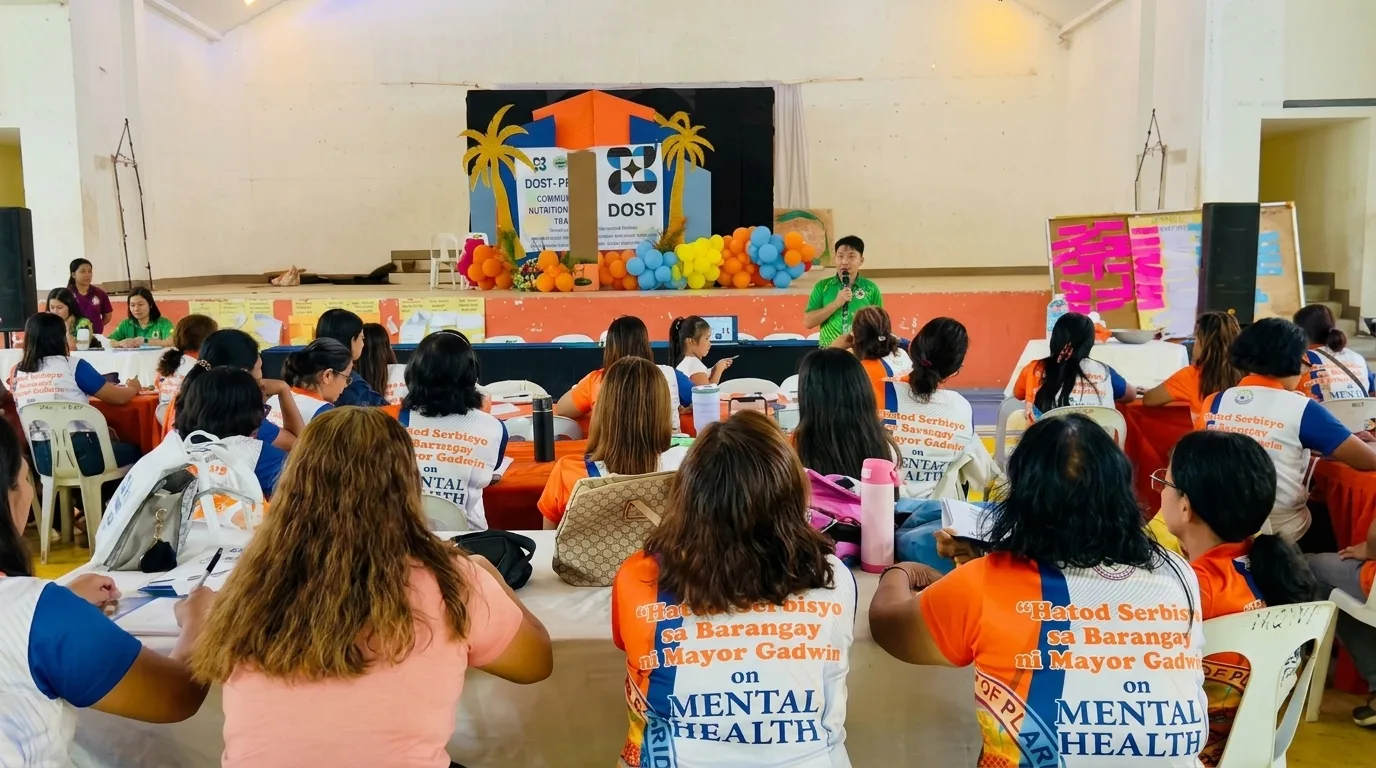
OZAMIZ CITY- The DOST-PINOY program, formally known as the Package for the Improvement of Nutrition of Young Children, is designed to help reduce undernutrition among children aged 6 to 35 months. Developed by the Department of Science and Technology–Food and Nutrition Research Institute (DOST-FNRI), it combines complementary feeding with nutrition education for mothers and caregivers. Its approach includes lessons on breastfeeding, appropriate complementary feeding, meal planning, safe food preparation, and backyard gardening. Through training activities such as the one featured in Ozamiz City, community-based nutrition work receives attention as an important part of improving children's well-being.
Equipping Community Workers with Practical Skills
Community nutrition programs depend on people who can translate health information into everyday practices. Barangay Nutrition Scholars, health workers, and other community partners can help families understand the importance of balanced meals, proper food preparation, and age-appropriate feeding. The DOST-PINOY approach also incorporates a 120-day complementary feeding intervention using food products developed by DOST-FNRI, alongside nutrition education for caregivers. These components demonstrate how scientific knowledge can be applied through organized activities at the community level.
Connecting Nutrition with Community Empowerment
The training also reflects the health and nutrition component of DOST's Community Empowerment through Science and Technology (CEST) program. CEST provides science- and technology-based interventions to communities, with the goal of improving their capacity to address local development concerns. Its areas of support include health and nutrition, livelihood development, education, disaster preparedness, and environmental protection. By bringing nutrition knowledge into community-based initiatives, the program provides a framework for connecting scientific resources with practical needs among families and children.