A Local Classroom Becomes a Research Setting
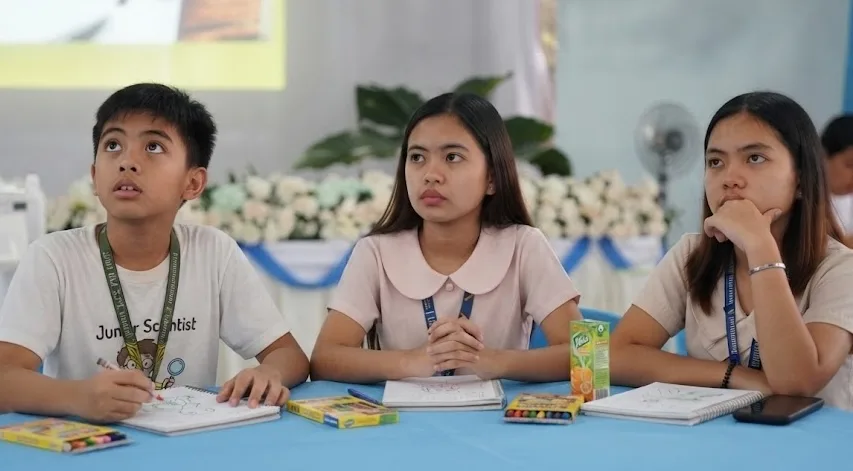
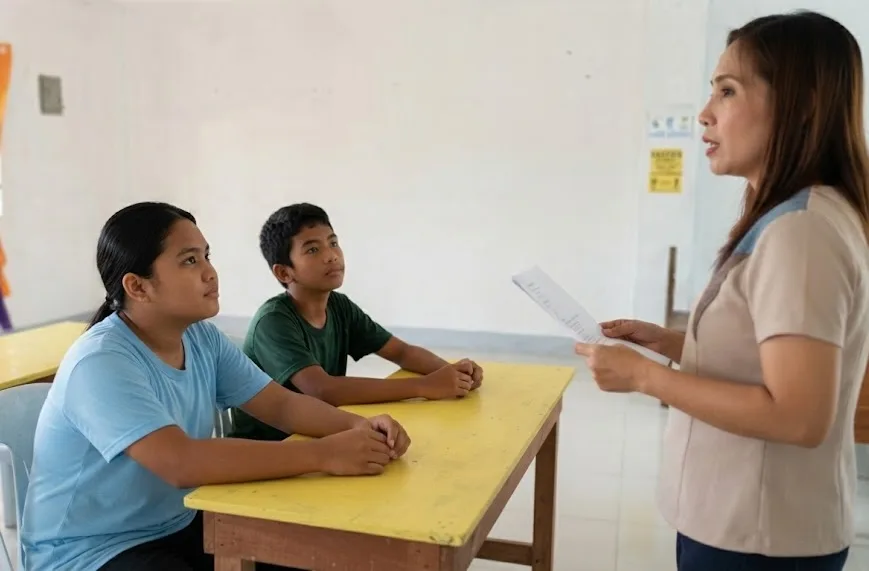
OZAMIZ CITY - The study brings attention to Ozamiz not simply as a place where education happens, but as a setting where educators are producing evidence that can contribute to wider discussions about learning. Two of its four authors, Arlyn U. Granada and Ronalyn T. Langam, are affiliated with Ozamiz City National High School, while the research itself involved 104 Grade 7 students from selected public secondary schools in the city. The researchers used validated measures for media and information literacy and self-regulated learning, alongside students’ verified first-quarter general averages. Published in a peer-reviewed academic journal’s September-October 2026 issue, the work gives local classroom experiences a formal research platform.
What the Study Found About Young Learners
The research offers an interesting picture of the students who participated. The learners recorded a high level of media and information literacy, while their self-regulated learning was assessed at a moderate level, and their reported academic performance was described by the researchers as outstanding. The study also found a statistically significant positive relationship between media and information literacy and self-regulated learning, suggesting that students with stronger information and digital competencies in the sample also tended to show stronger self-regulatory behaviors. At the same time, the researchers found that neither measure significantly predicted academic performance in their analysis, making the study more nuanced than a simple claim that digital skills automatically produce higher grades.
From Ozamiz Classrooms to a Wider Conversation
What makes the publication especially interesting for Ozamiz is that it turns a local group of learners into part of a broader conversation about what students need in an increasingly information-heavy world. The researchers concluded that academic performance in their sample may also reflect factors such as instructional support, structured learning environments, and institutional scaffolding, while recommending that self-regulation be intentionally incorporated into media-literacy instruction. The findings should be understood within the study’s specific sample and research design rather than generalized to every learner in the city. Even so, the publication gives Ozamiz educators a visible role in developing locally grounded research at a time when schools are adapting to the MATATAG Curriculum.