Seven Varieties, Different Possibilities for the Farm
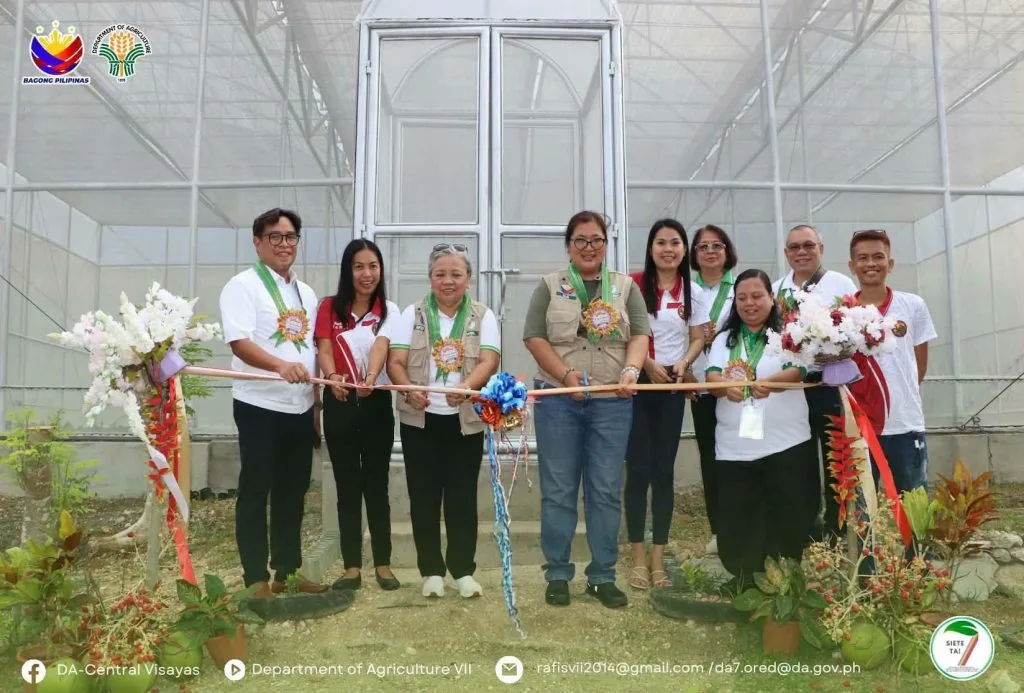
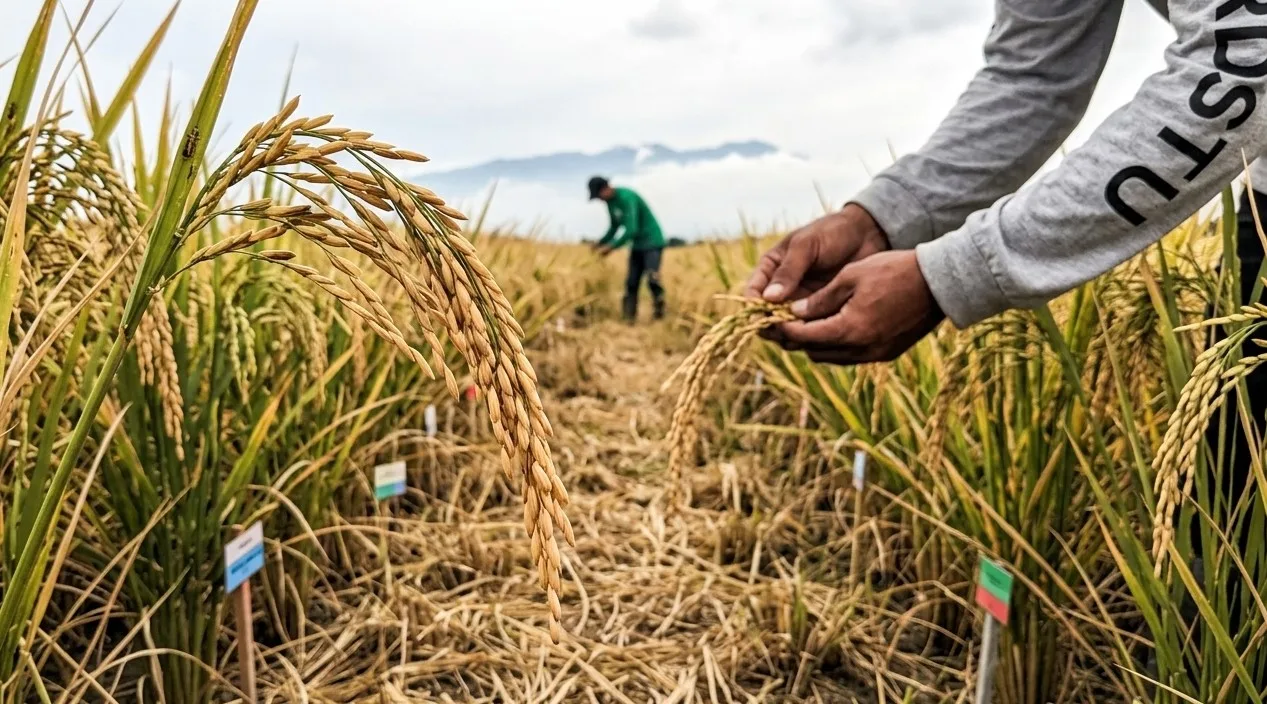
OZAMIZ CITY- Not all rice varieties respond in the same way to soil conditions, water availability, pests, and crop management practices. Testing several varieties side by side can help agricultural specialists identify differences in plant growth, maturity, grain quality, and potential harvest performance. The supplied announcement identifies seven varieties being evaluated in Ozamiz City, although their names and individual trial results could not be independently confirmed. Those details matter because farmers need evidence about each variety rather than a general promise of higher yields. The purpose of a field trial is to gather that evidence before wider planting recommendations are made.
Why Testing Rice in Actual Fields Matters
A variety that performs well at a research station may produce different results on a working farm, where water supply, soil fertility, weather, and available inputs can vary. The Philippine Rice Research Institute's Variety Field Trials program uses actual farming conditions to assess varieties and consider farmers' observations alongside crop performance. Its published guidance explains that evaluations can include yield, resistance to pests and diseases, crop maturity, grain characteristics, and suitability for local conditions. For farmers in Ozamiz City, locally relevant findings could help them compare seed options with the conditions and resources available on their farms. The results, however, must be documented before any particular variety can be described as the best performer.
Turning Trial Results Into Better Planting Decisions
The value of the seven-variety trial will ultimately depend on what the crop records reveal at harvest and how useful those findings are to farmers. Comparing yields alongside seed costs, fertilizer requirements, crop health, and grain quality can provide a more complete picture than looking at harvest volume alone. Farmers should also consult agricultural technicians or their municipal agriculture office before changing their usual seed choices, especially when trial results are not yet available. The Philippine Rice Research Institute continues to support seed access and farmer education through programs that promote improved varieties and practical farming methods. Once verified results from the Ozamiz trial are released, growers will have a stronger basis for deciding whether any of the tested varieties deserves a place in their next planting season.