600 Narra Seedlings Begin a Longer Journey
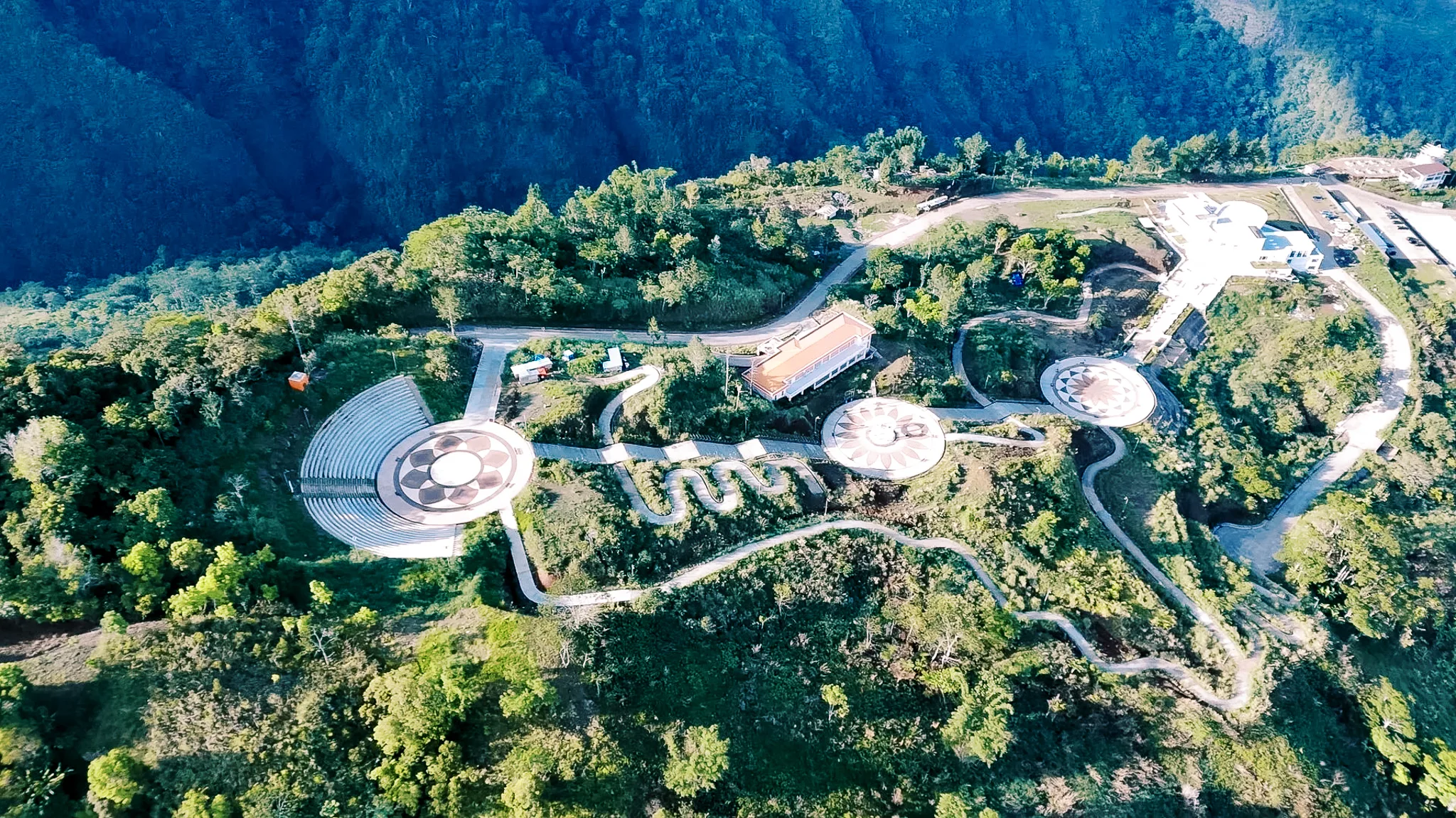
OZAMIZ CITY- Misamis University, through its National Service Training Program, planted 600 Philippine endemic Narra seedlings at its College of Agriculture and Forestry Experimental Site in Barangay Capucao, Ozamiz City. The activities took place on March 4, 11, 20, and 25, 2026, bringing together NSTP students, coordinators, and second-year agriculture students. Participants also received guidance on proper planting techniques to help give the seedlings a better chance of survival. Narra is a native Philippine tree valued for its contribution to forest restoration and biodiversity. The initiative demonstrates that planting is only the beginning of a much longer responsibility.
Beyond the Seedling: The Importance of Proper Care
Putting a seedling into the ground is one thing; helping it survive and grow is another. Young trees require appropriate watering, protection, suitable growing conditions, and regular attention, particularly during their early development. These practical considerations make environmental planting more meaningful because the success of an initiative should not be measured by the number of seedlings placed in the soil alone. The 2026 activity also highlights the value of teaching younger participants about proper planting methods. Through continued care, small seedlings can eventually contribute to healthier landscapes and habitats.
A Harvest Measured in More Than Food
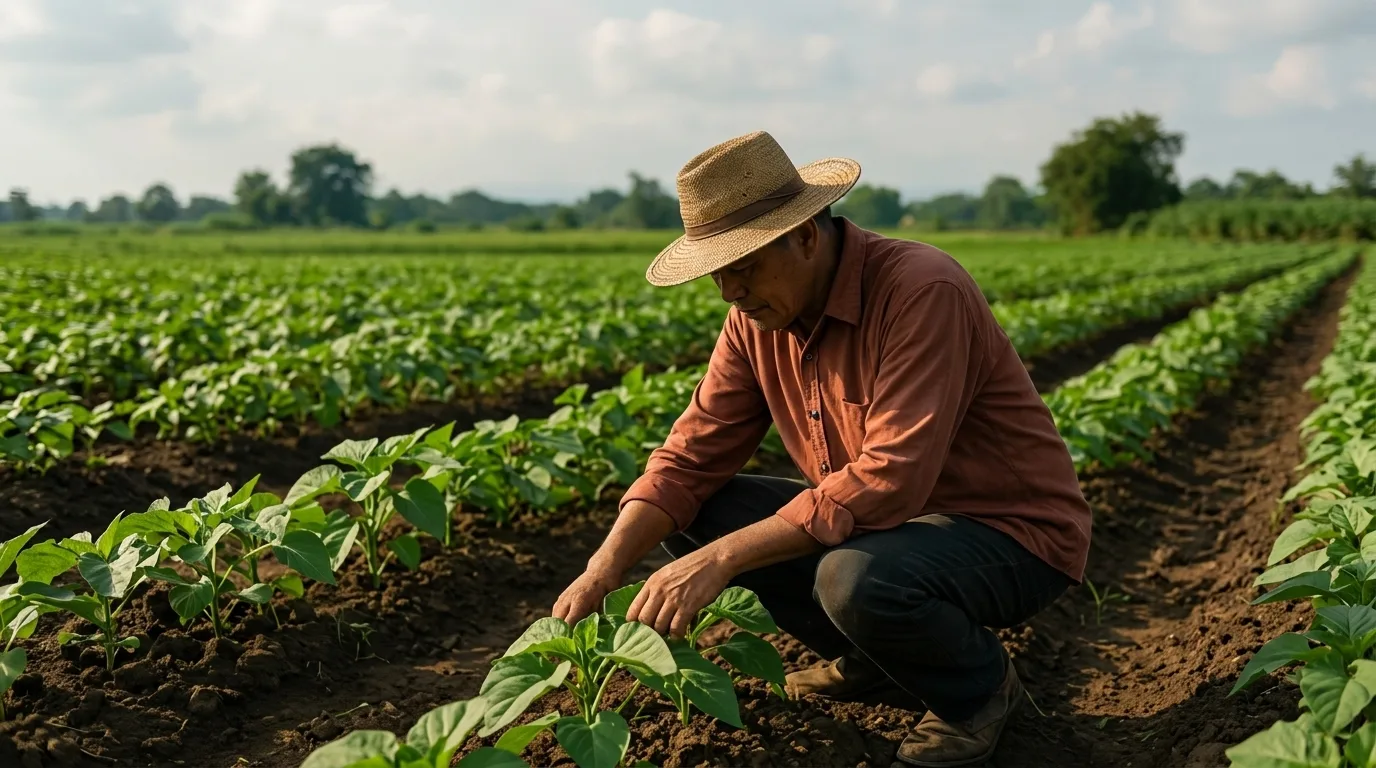
The familiar Filipino saying about planting and harvesting can also describe the long-term rewards of environmental responsibility. While fruit and vegetable gardens provide food, growing native trees contributes to biodiversity, habitat protection, and the restoration of natural spaces. Ozamiz's Narra planting initiative offers an example of how present efforts can create benefits that extend well beyond the day of planting. Its value will depend on the continued growth and protection of the seedlings in the years ahead. Ultimately, every well-cared-for plant represents an investment in a greener environment for the next generation