Information That Reaches the Barangay
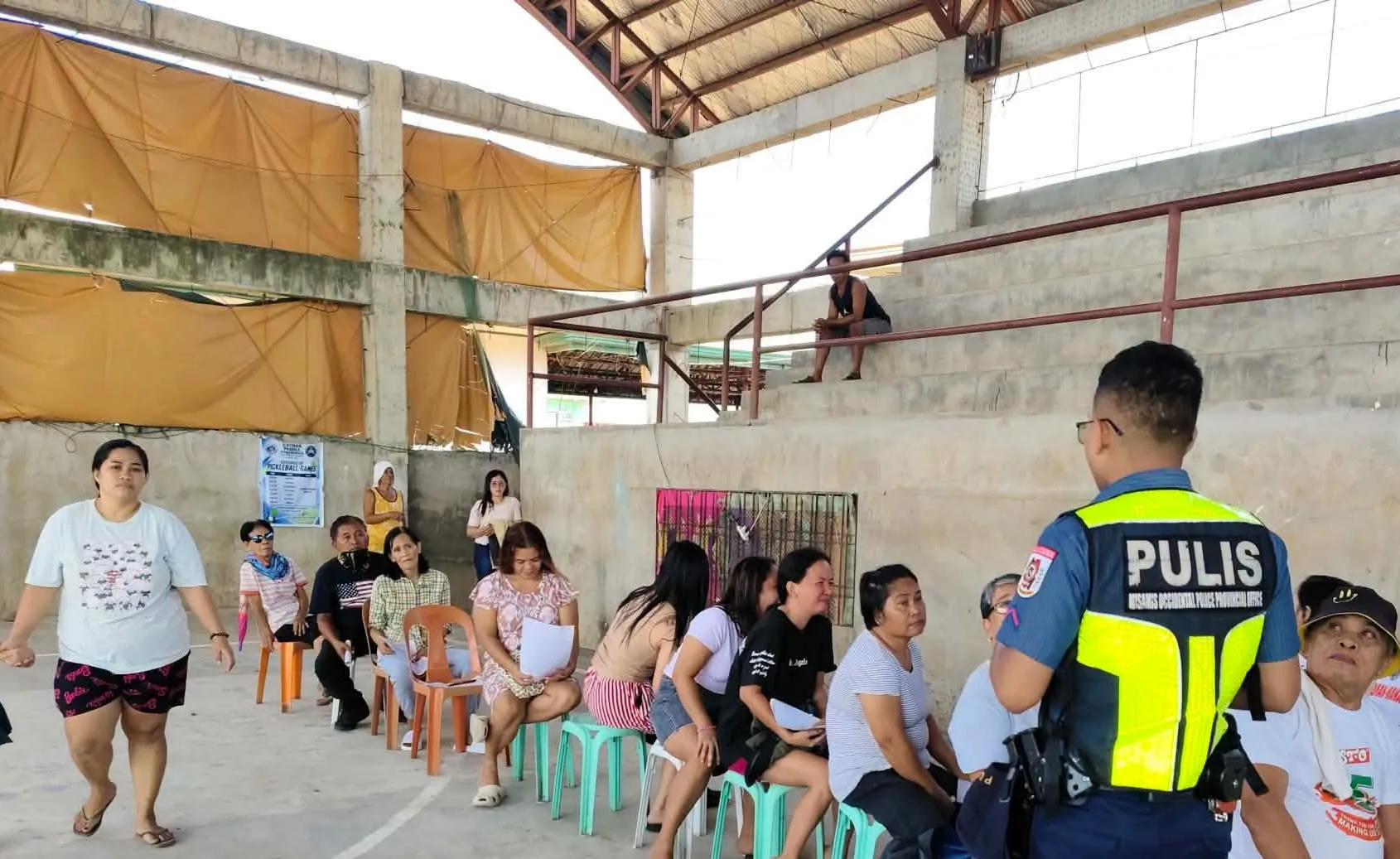
OZAMIZ CITY - Rather than keeping public-safety reminders inside a police station, the activity brought them directly into the community. Pat Jey Mark U. Ediang, Assistant CCAD PNCO of the Ozamiz City Police Station, conducted the barangay visitation and spoke with 16 residents of Catadman-Manabay. The discussion included the Anti-Illegal Drugs Advocacy Campaign, giving participants an opportunity to receive information about the importance of avoiding illegal drugs and supporting prevention efforts. This community-level approach reflects the PNP’s broader 2026 emphasis on prevention, public awareness, and engagement with communities rather than relying only on enforcement after an incident has already occurred.
Practical Reminders for Everyday Safety
The visit also included crime-prevention tips concerning rape, adding another important dimension to the discussion. Information drives like this can give residents useful reminders about awareness, personal safety, and seeking appropriate assistance when concerns arise. In 2026, the PNP has continued highlighting community-based prevention as part of its public-safety work, with police programs in other areas using household and barangay-level information campaigns to discuss rape prevention, reporting, and available support. A Philippine Information Agency report also identified rape among the PNP’s monitored focus crimes and described community engagement as part of preventive policing.
A Small Meeting With a Wider Purpose
The Catadman-Manabay visit may have involved only 16 residents, but its value lies in the simple act of putting useful information within reach of people in their own barangay. The activity shows how police-community communication can take place through ordinary conversations, allowing residents to hear prevention messages and ask questions in a familiar setting. It also fits the broader direction of community-oriented policing being emphasized in 2026, where communication and citizen participation are treated as important parts of public safety. For Ozamiz, this kind of neighborhood-level engagement adds a more personal dimension to crime prevention—one where awareness begins not with a headline, but with people talking directly with the police.