More Than Loading and Unloading: The Work Behind the Cargo
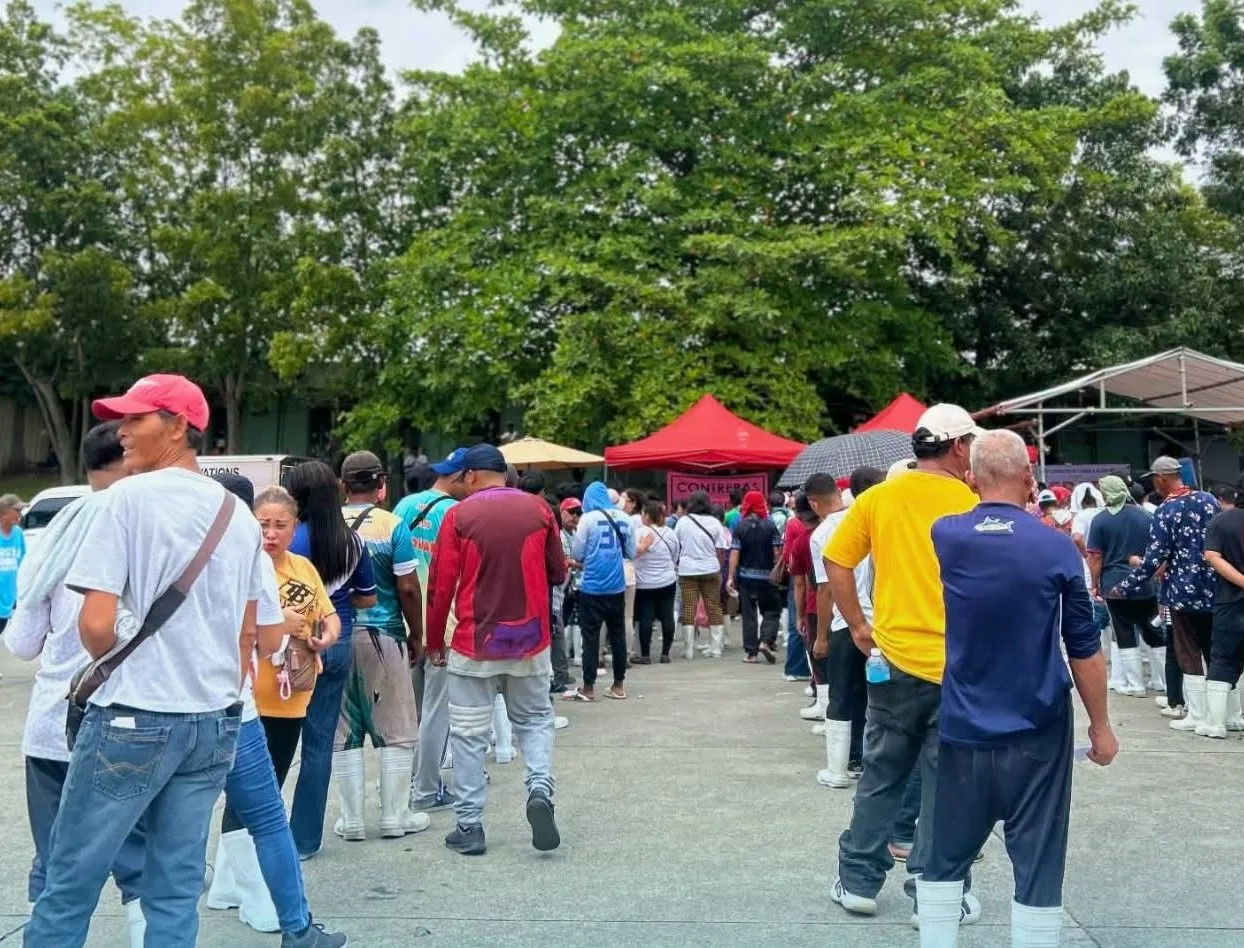
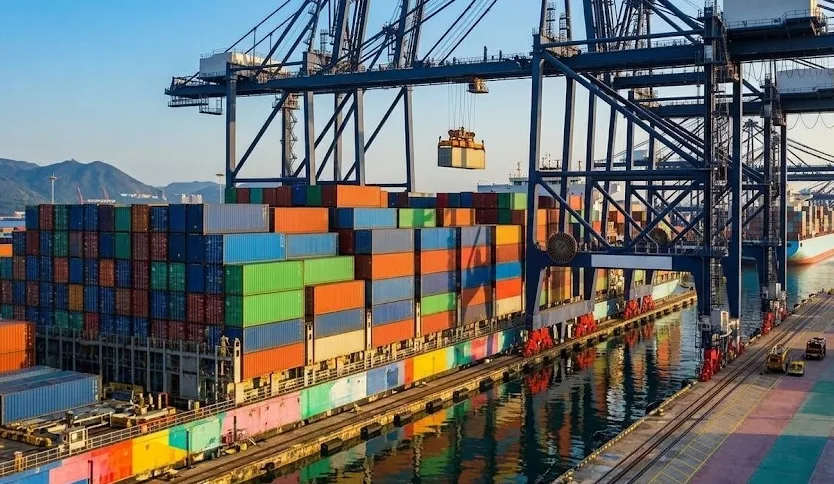
OZAMIZ CITY- A shipment’s journey involves several connected tasks, from arranging cargo documents and coordinating transport to handling goods and preparing them for onward delivery. Cargo handlers and equipment operators must follow appropriate procedures, while truck drivers, shipping personnel, and logistics staff work around schedules and changing operational requirements. When one part of this chain is delayed, other stages of a shipment may also need to be adjusted. A July 2026 advisory from South Seas Cargo Forwarders described a shipment bound for Ozamiz that was delayed after a container was found to be overloaded and had to be returned for adjustment. The advisory illustrates why cargo limits and careful coordination matter, although it does not establish how frequently such delays occur at the port.
The October Issue Bringing Cargo Services Into Focus
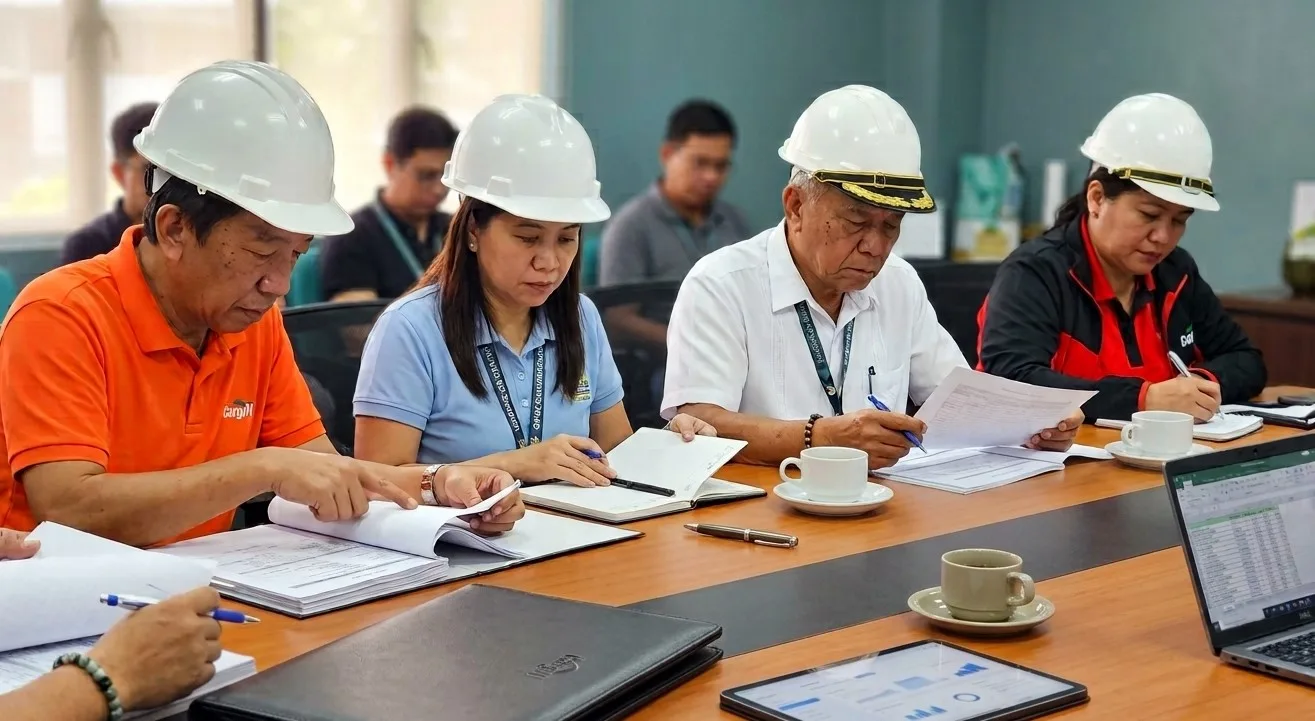
The Philippine Ports Authority listed a public hearing for October 26, 2026, concerning Globalport Ozamiz Terminal Inc.’s application to adjust cargo-handling tariff rates. The notice provides a timely local angle for examining the services involved in transferring goods through the Port of Ozamiz. Cargo-handling charges are part of the wider operating environment for shipping and logistics businesses, while workers carry out the practical tasks needed to process freight. However, the hearing notice does not establish that the proposed adjustment has been approved or that it will automatically change workers’ wages or benefits. Its significance is that cargo services and their costs remain matters for formal review, making transparent processes and clear communication important to businesses that rely on the port.
Why Workers’ Safety and Welfare Belong in the Conversation
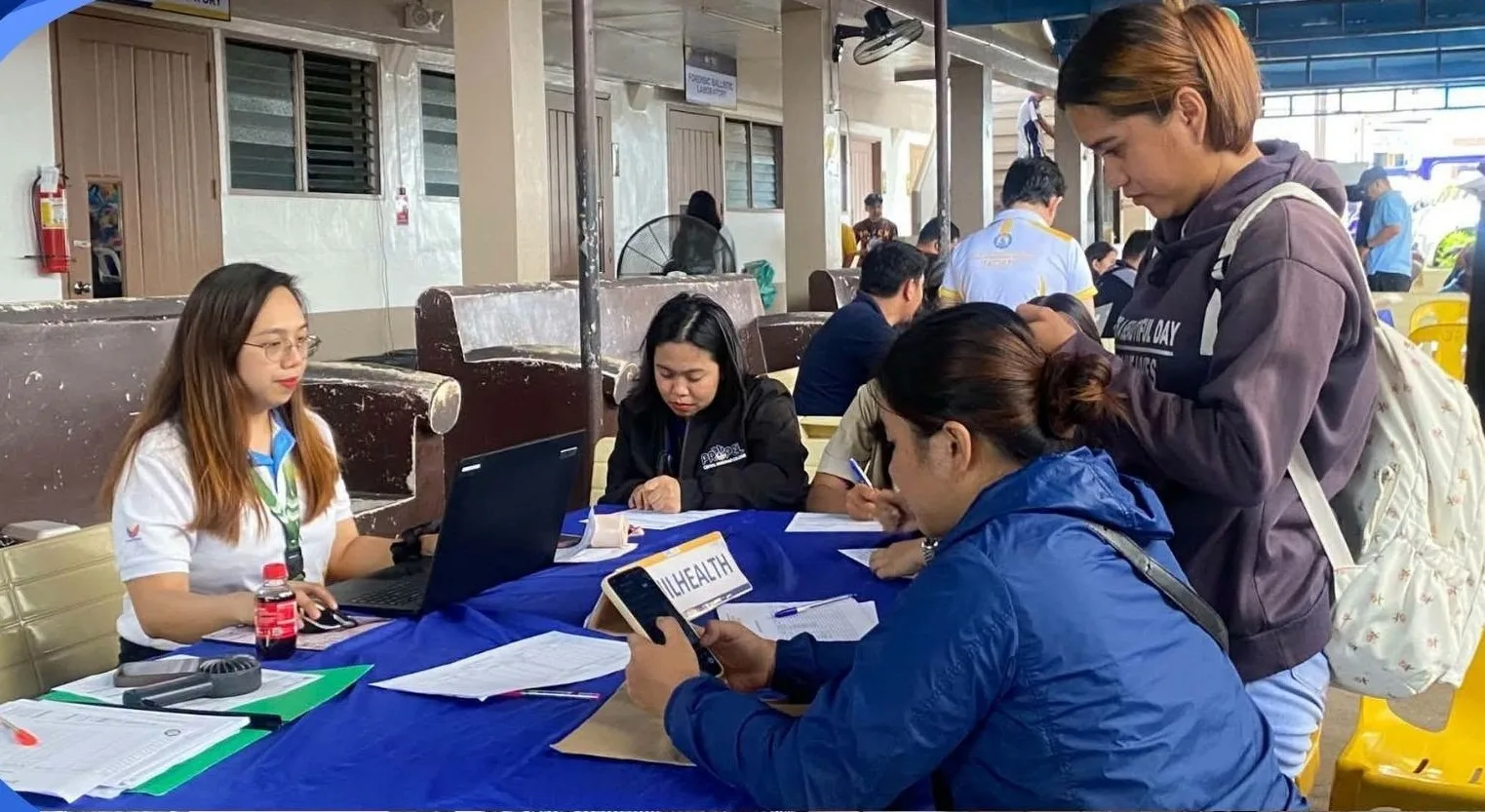
Port work can involve heavy loads, moving vehicles, machinery, and demanding coordination, making proper training and workplace safety essential. On October 5, 2026, the PPA announced a collective negotiation agreement with the employees’ organization PANTALAN covering matters such as applicable benefits, training, career development, and employee well-being. That agreement concerns the PPA workforce and should not be presented as automatically applying to every employee of a private terminal operator, trucking company, or cargo-handling contractor. Still, it provides a current example of how employee welfare is being addressed within the public port authority. For Ozamiz, recognizing the people behind every shipment means looking not only at cargo volumes and delivery schedules, but also at the working conditions and coordination that make port services possible.