When the Bells Were Simply Too Big
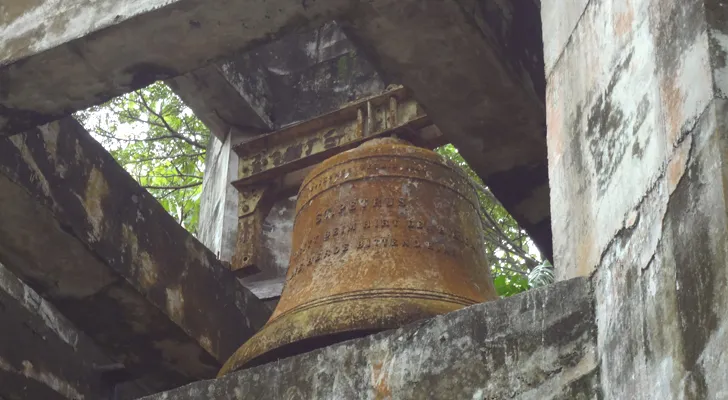
OZAMIZ CITY - The story begins with four bells named St. Peter, St. Marien, St. Joseph, and St. Michael. Historical accounts say they were acquired for the Immaculate Conception Cathedral, but the bells proved too large and heavy for the cathedral’s existing belfry. A 2026-updated Ozamiz travel guide identifies their combined weight at about seven tons. Rather than treating the situation as the end of the story, Ozamiz found another possibility. The provincial government’s tourism profile records that the bells were eventually installed on Bukagan Hill, turning what could have been an expensive logistical problem into something much more memorable for the city.
From an Unwanted Fit to a City Landmark
What makes the story interesting is that the bells were not originally purchased with Bukagan Hill in mind. Their eventual home came through the efforts of then-mayor Fernando T. Bernad and Bishop Jesus Y. Varela, who helped make the transfer possible. The bells were placed atop Bukagan Hill and inaugurated on July 16, 1948, according to the Misamis Occidental provincial government. Their location gave the oversized bells a setting that could accommodate them while also placing them above the city. Today, their presence connects a practical decision from the postwar period with Ozamiz’s broader historical landscape, giving visitors another reason to look beyond the city’s more familiar landmarks.
The Real Mystery Is How a Problem Became a Legacy
There is no need to turn the “mystery” of the heavy bells into a supernatural tale. The fascinating part is entirely historical: four bells intended for a cathedral could not comfortably fit its belfry, so another solution had to be found. That unusual detour ultimately helped give Bukagan Hill its distinctive identity. The provincial government continues to list the hill and its bells among Misamis Occidental’s tourism destinations, while the 2026-updated travel guide still presents the bell tower as an Ozamiz attraction. The bells therefore represent more than their physical weight; they illustrate how an unexpected obstacle can sometimes redirect a piece of history toward a place where it becomes even more memorable.