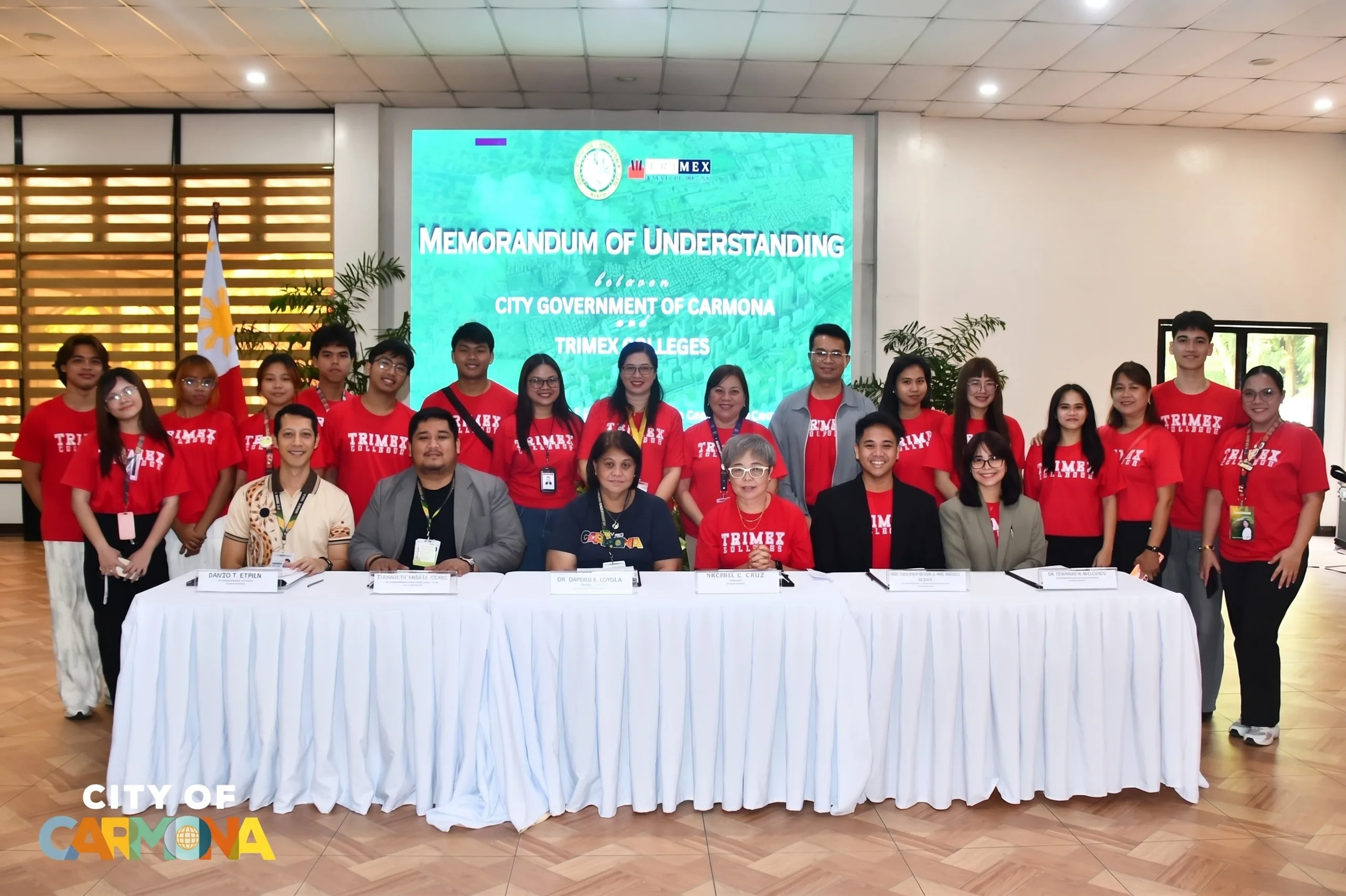
CARMONA CITY, CAVITE — True education doesn't end at the classroom door; sometimes, it flows directly into the neighborhoods that need it most. The City Government of Carmona has taken a strategic step toward blending civic responsibility with practical academic training. Led by the Community Affairs and Youth Development Office (CAYDO), local officials signed a comprehensive Memorandum of Understanding (MOU) with Trimex Colleges to structurally fortify its grass-roots child development frameworks.
A Symbiotic Link Between Civic Duty and Academic Training
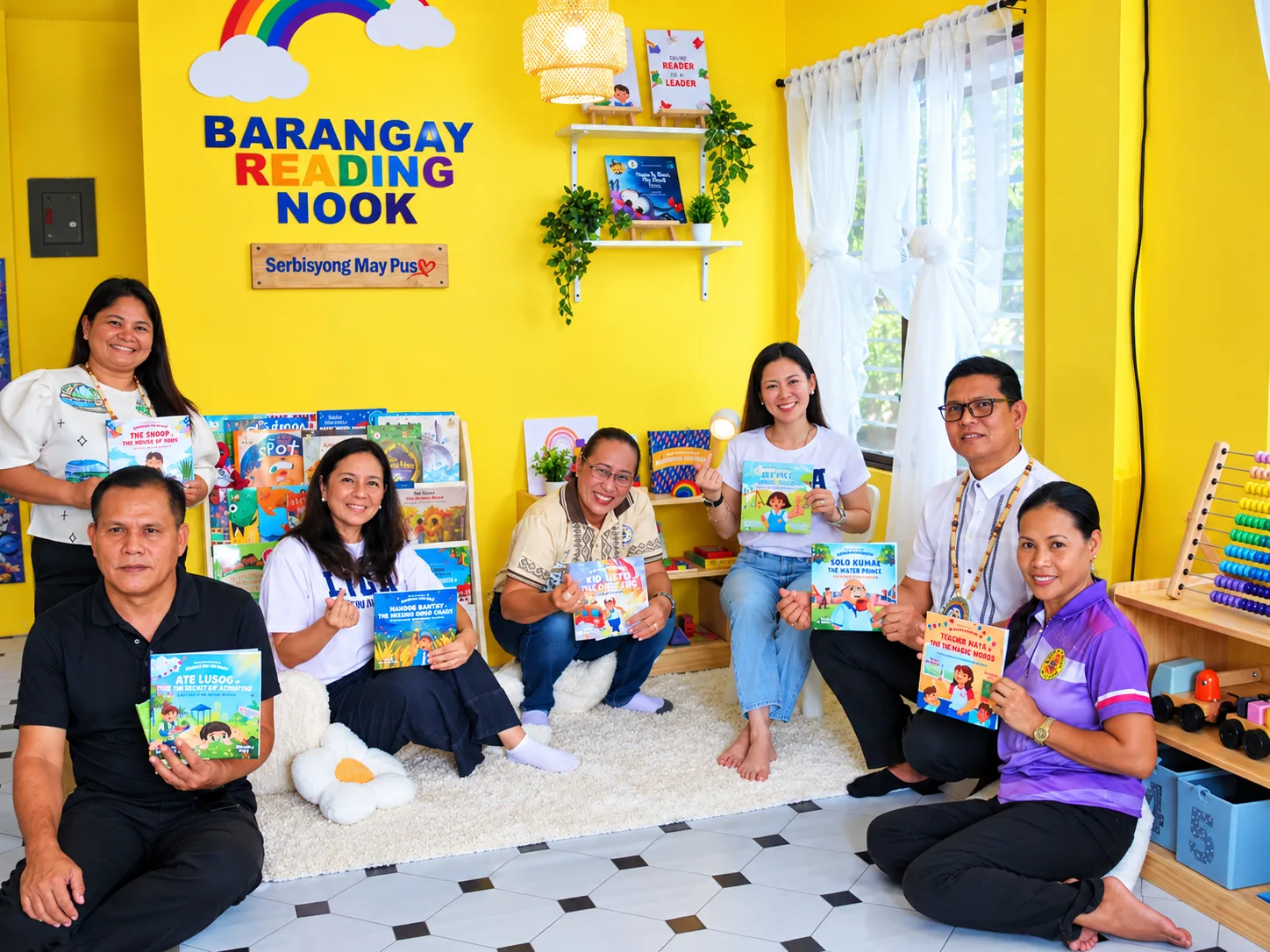
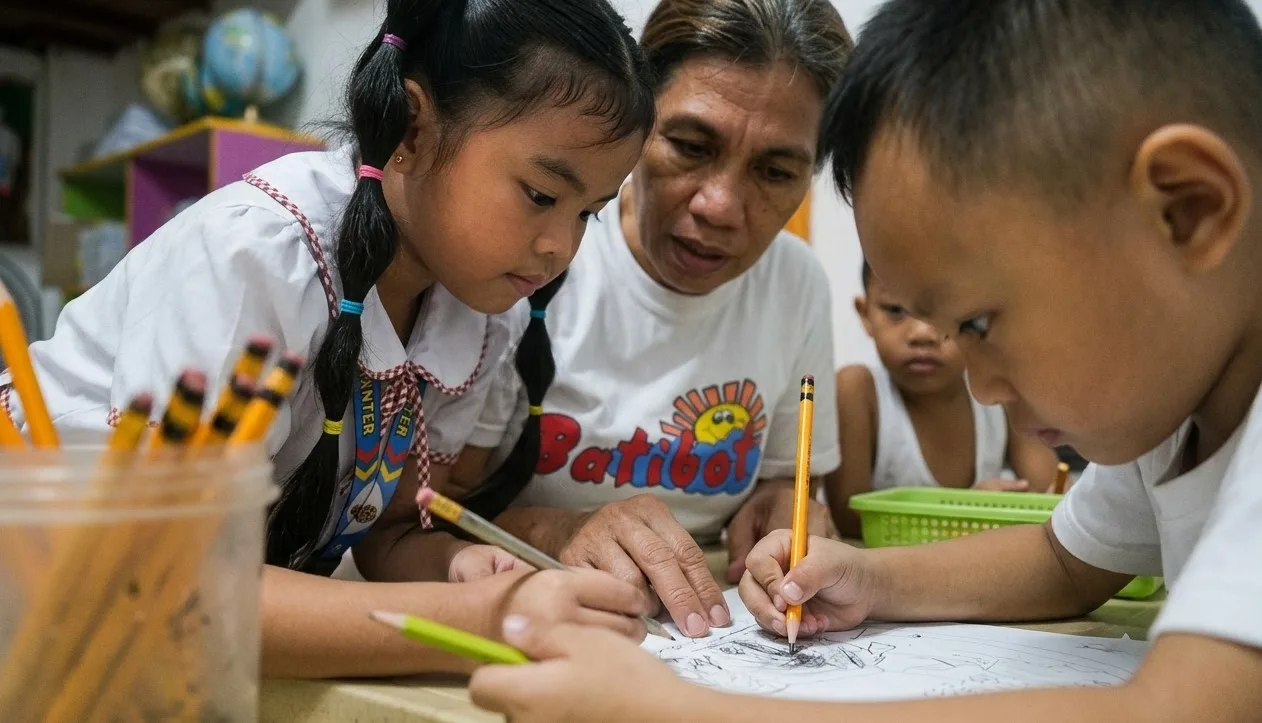
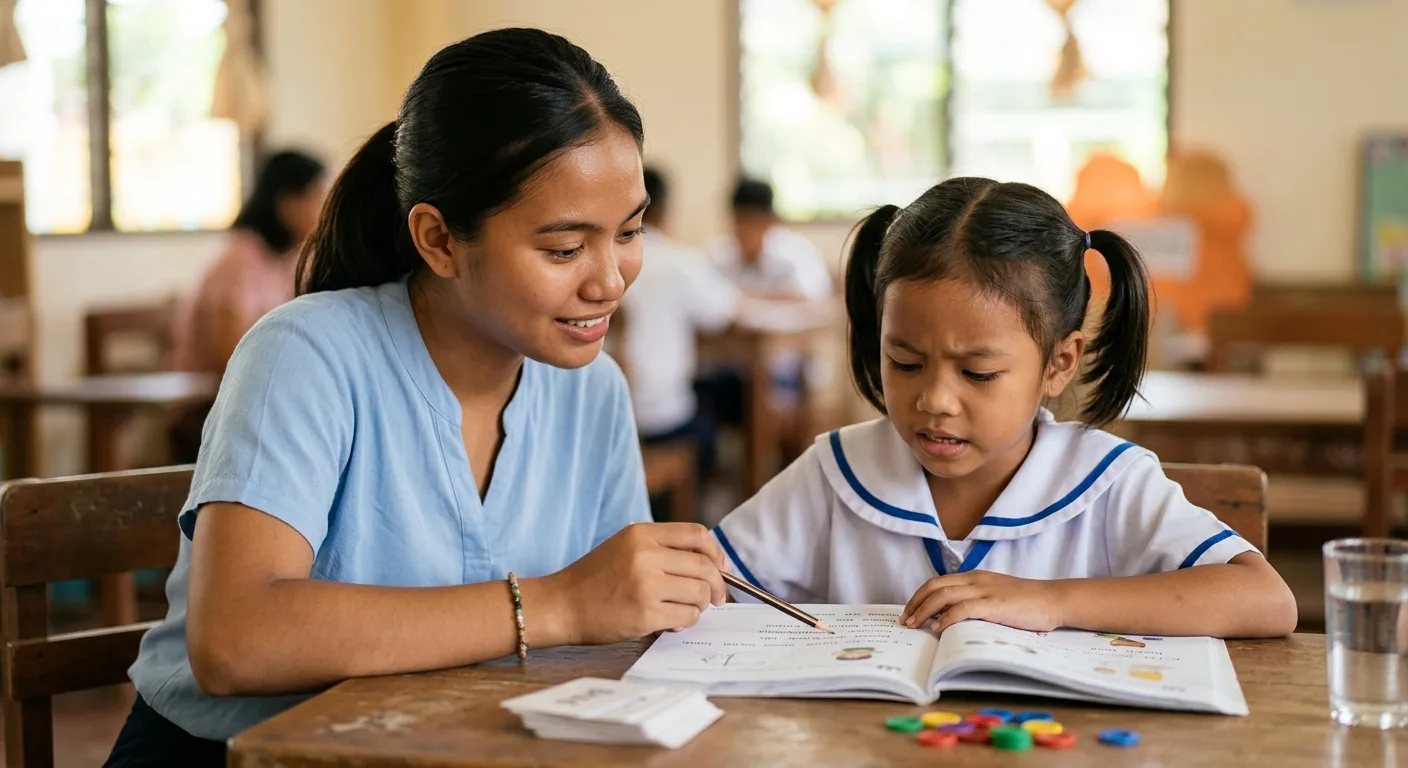
The agreement, accepted on behalf of the academic institution by School President Ms. Rachel C. Cruz, establishes an innovative, symbiotic link between local government initiatives and student-led volunteerism. At the heart of this alliance is the scaling up of Project LAPIS, a foundational community literacy drive tailored specifically to bring vital reading and writing interventions to out-of-school children and youth across various barangays. Instead of treating civic duty as a disconnected extracurricular hobby, the new MOU naturally integrates these outreach platforms into the college curriculum. This approach ensures that community service becomes a meaningful part of the students' educational journey rather than an optional activity.
Transforming Public Spaces into Active Learning Labs
Trimex students majoring in Education and Business Administration will now be able to step directly into the field through formalized internships, practicums, and work immersion tracks. By transforming public spaces into active learning labs, the partnership provides local children with enthusiastic mentors while giving college students essential, real-world leadership experience before they even graduate. This collaboration reflects Carmona's broader commitment to youth development and education, following the recent recognition of the city's SK Federation as the Most Outstanding SK Federation and Local Youth Development Council at the 3rd Gawad Pawid Awards, as well as the successful implementation of various youth-oriented programs. The partnership proves that community progress and student development work best when they move forward hand-in-hand, creating a sustainable cycle of learning, service, and growth that benefits both the students and the communities they serve.