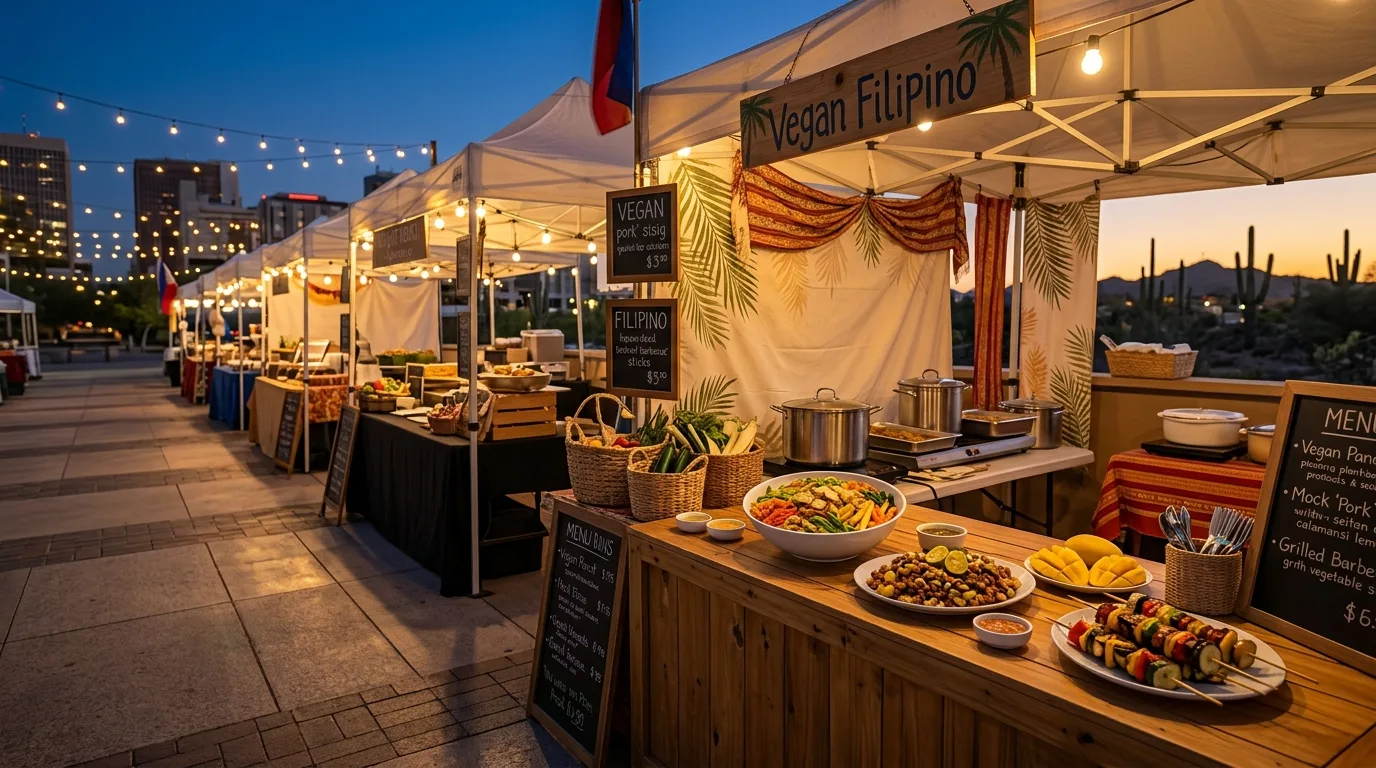
In Tucson, Arizona, a Vegan Night Market scheduled for June 6 is set to bring together a variety of plant-based culinary offerings. While the event primarily focuses on a specific dietary niche, it underscores a broader, flourishing trend across the United States: the rise of community-centric food markets. These gatherings, often held in vibrant public spaces, are becoming vital incubators for small businesses and a dynamic stage for diverse culinary talents, including those from the Filipino diaspora.
The Gateway for Culinary Pioneers
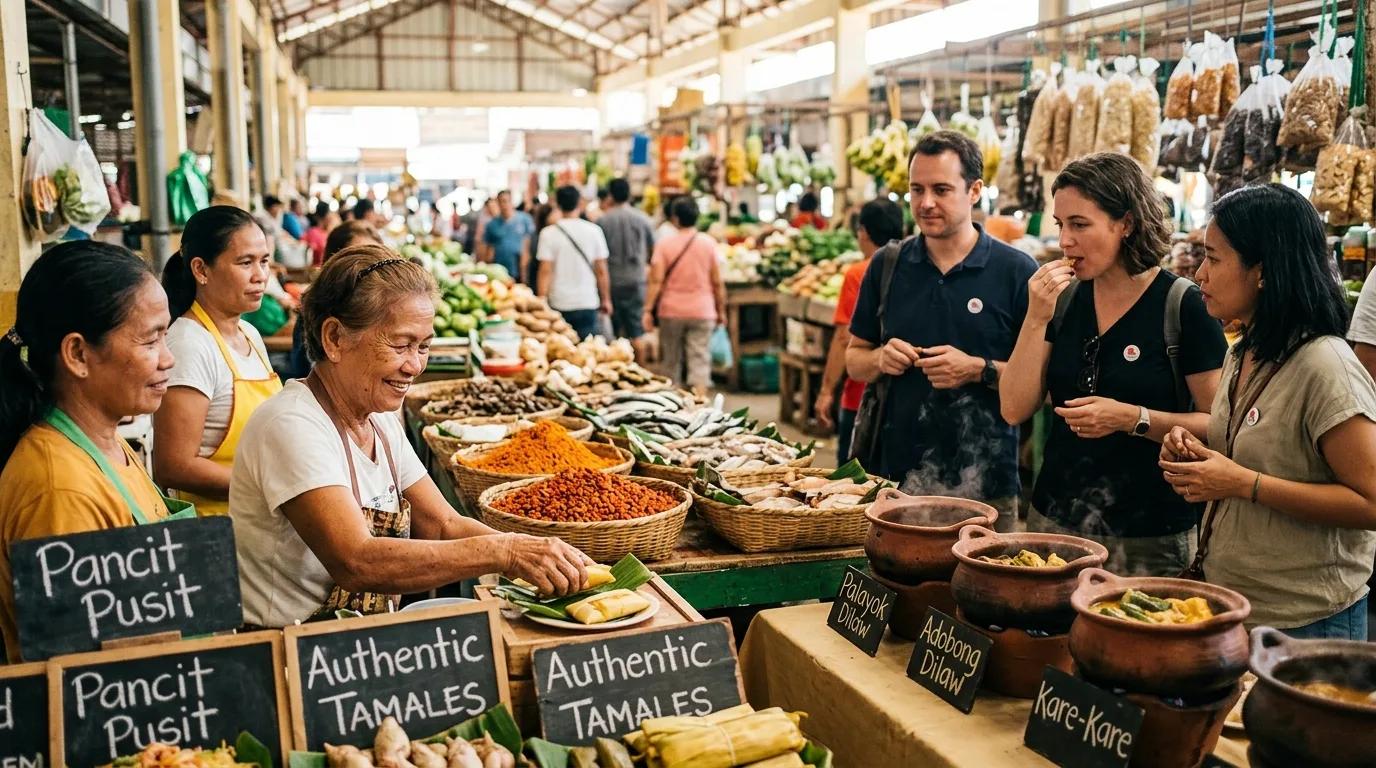
The phenomenon of night markets in the US offers a unique entry point for aspiring entrepreneurs, particularly those from immigrant communities. With lower overheads compared to traditional brick-and-mortar restaurants, these markets allow chefs and food vendors to test new concepts, build a customer base, and share their cultural heritage through food. For many Filipinos, whose cuisine is gaining increasing recognition globally, these platforms represent an invaluable opportunity to introduce authentic or innovative Filipino dishes to a wider American audience, whether it's plant-based versions of classic Filipino comfort food or entirely new fusion creations.
The Economic and Cultural Multiplier
These local food markets are more than just venues for eating; they are economic engines and cultural melting pots. For the broader economy, they stimulate local commerce, create jobs, and foster community engagement. For the Filipino community in the United States, such events are crucial for visibility and economic advancement. They empower Filipino entrepreneurs to establish their brands, generate income, and contribute to the rich tapestry of American gastronomy. Moreover, they serve as vital spaces for cultural exchange, allowing Filipinos to proudly share their culinary traditions and stories with their neighbors, fostering understanding and appreciation for the Philippines.
A Call to Action for Filipino Food Entrepreneurs
Filipinos and OFWs residing in the United States should actively explore and engage with local food markets and night bazaars in their respective communities. These events can be a stepping stone for those with culinary skills or a passion for food, offering a practical pathway into the food industry without massive initial investment. Aspiring Filipino food entrepreneurs should research local regulations for food vending, seek networking opportunities with other vendors, and consider developing unique offerings that highlight Filipino flavors while catering to diverse palates, including the growing demand for plant-based options. Participation in such markets not only provides a potential source of income but also strengthens the presence and influence of Filipino culture in the global culinary landscape.