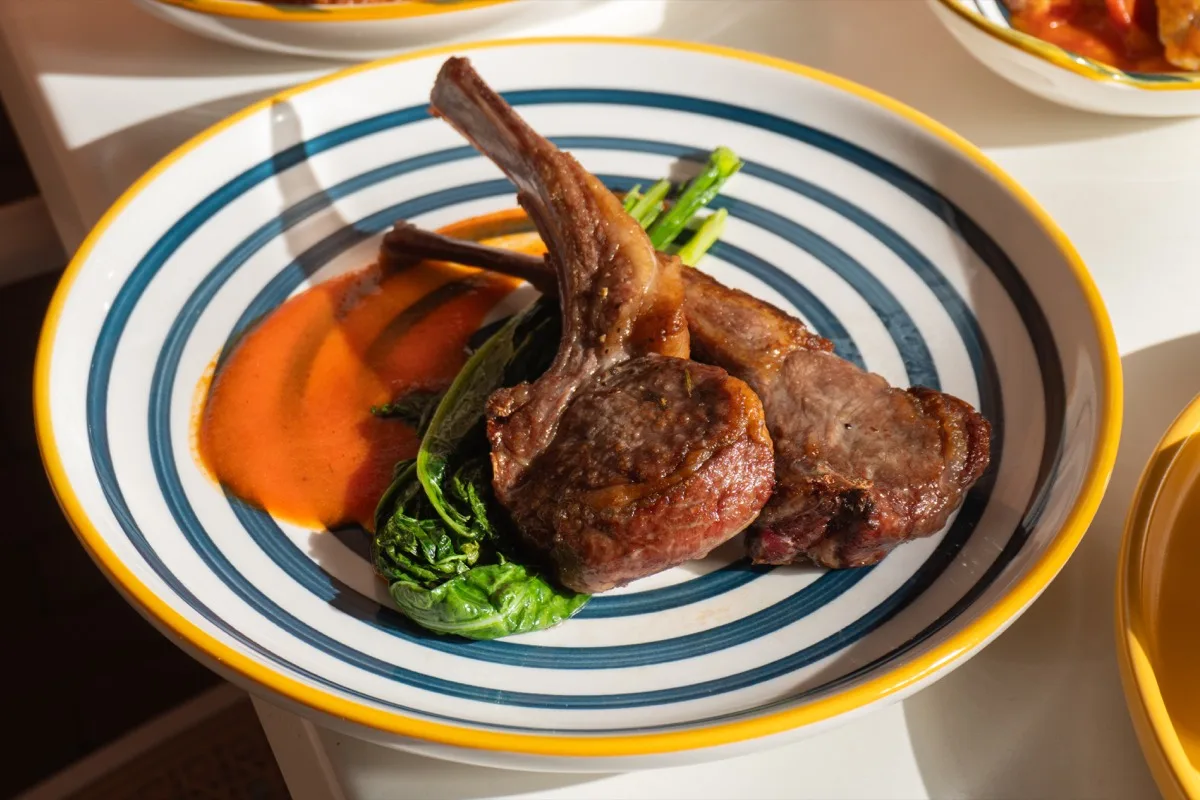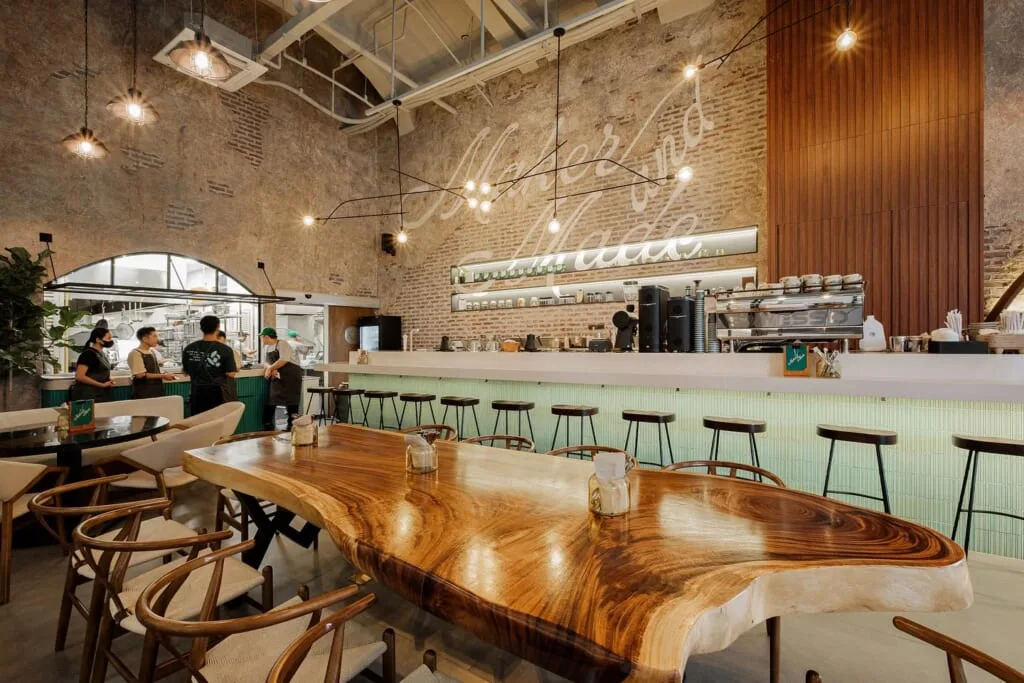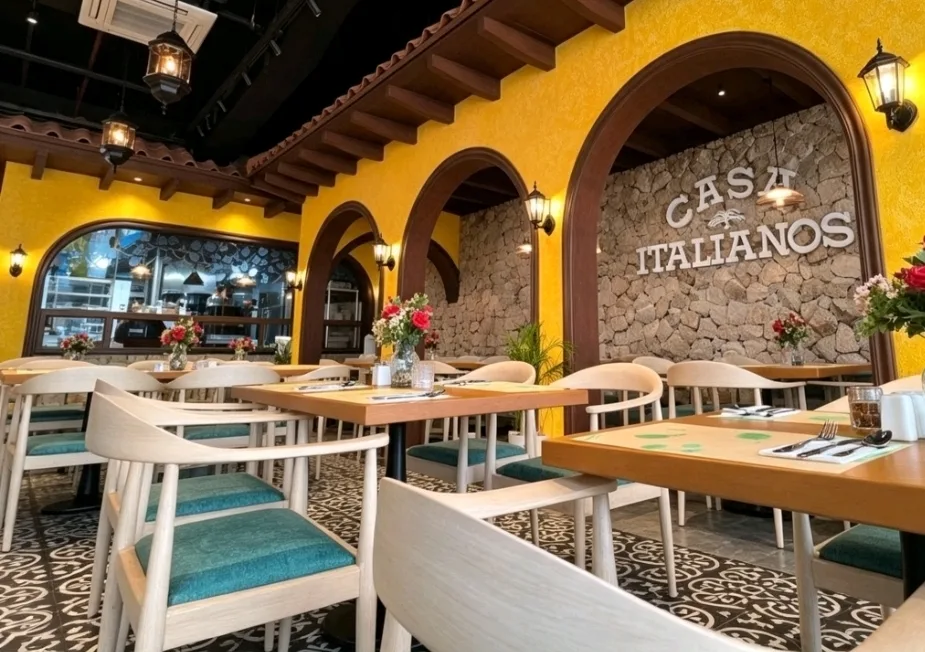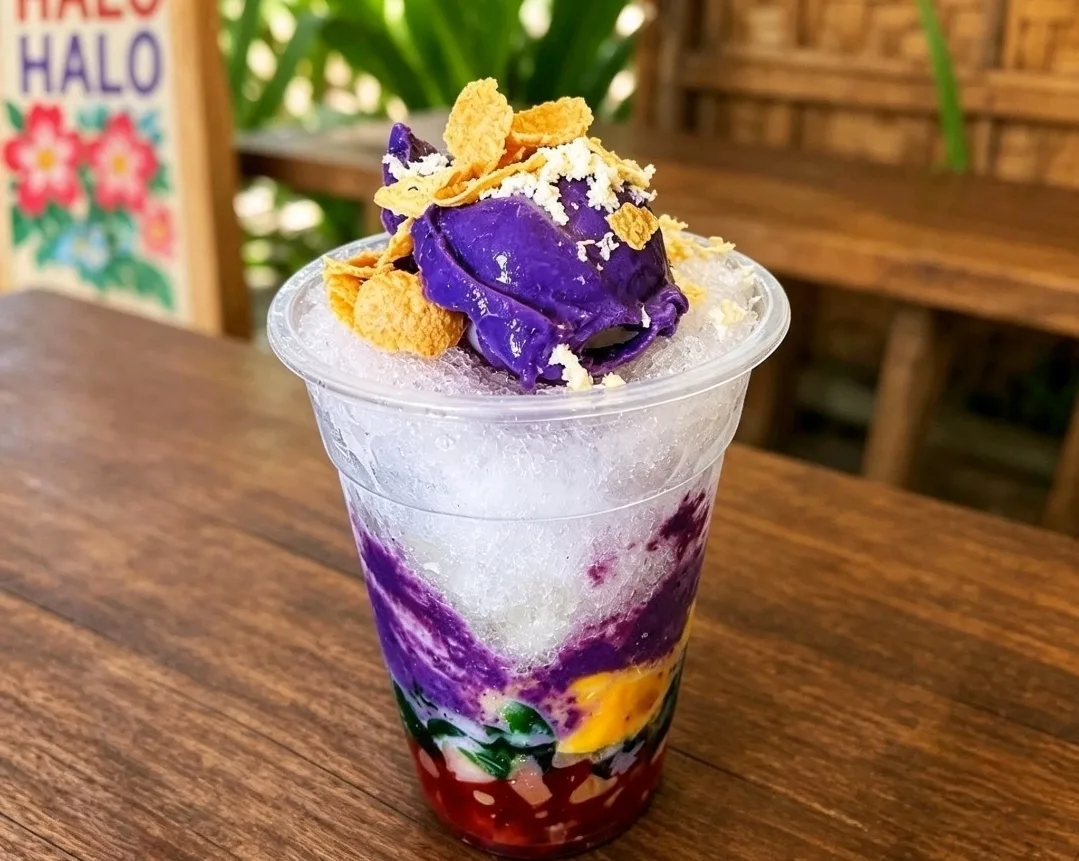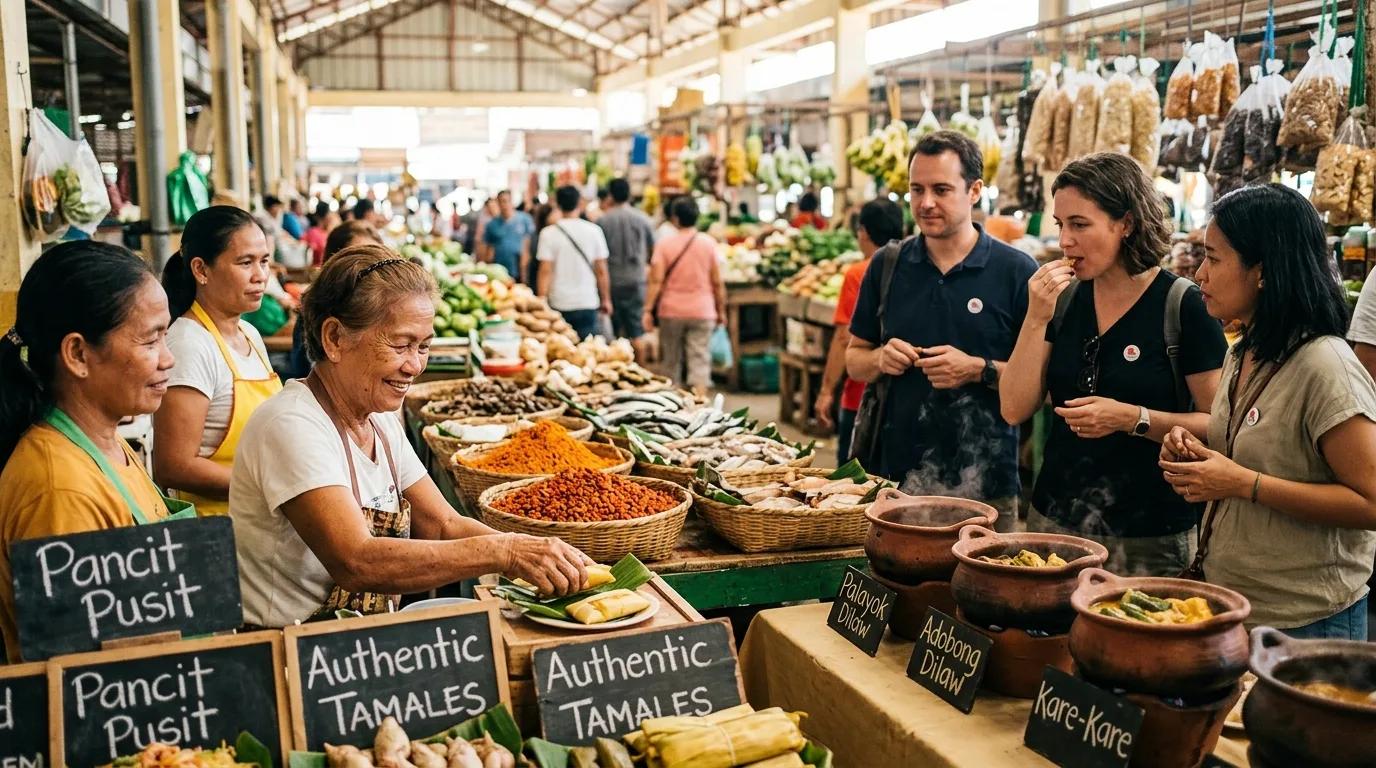
The recent Regional Benchmarking on the Slow Food Community and Market Tour highlighted Cavite City's diverse culinary heritage. Delegates explored the historic Cavite City Public Market, which is known for its blend of Spanish, Mexican, Chinese, Malay, and Tagalog culinary influences that shaped local Chabacano cuisine. The tour focused on the Slow Food philosophy, which promotes eating food that is good for the consumer, clean for the environment, and fair for local producers.
Exploring Chabacano Culinary Heritage at the Public Market
The Cavite City Public Market, located in Barangay San Roque, operates daily from 4:00 AM to 7:00 PM and is recognized for being a clean, organized market where visitors can find everything from fresh seafood to local delicacies. It is known as the home of authentic Caviteño treats like bibingkoy, and its vibrant atmosphere makes it a go-to destination for experiencing local food culture.
Chabacano cuisine is a unique blend of indigenous Filipino and Spanish culinary traditions, shaped by the city's rich history as a port and its coastal location. The Slow Food philosophy, which promotes food that is good for the consumer, clean for the environment, and fair for local producers, aligns perfectly with preserving these heritage dishes. Delegates sampled heritage viands and learned traditional cooking methods that the city actively aims to preserve.
What Makes Cavite City Public Market a Heritage Destination
The market serves as a living museum of Chabacano food culture. One hallmark of Chabacano cuisine is its distinctive use of achuete (annatto seeds), which gives many dishes a characteristic reddish-orange hue. Key heritage dishes include Tres Marias (Adobong Dilaw, Kare-Kare, and Kilawin na Papaya), Pancit Pusit (black seafood noodles), and Tamales (a steamed rice cake with meat and egg). The galleon trade influence is evident in dishes like Bacalao, uniquely made with dry-salted surgeon fish instead of cod, reflecting the adaptation of foreign ingredients to local availability. These dishes are culinary narratives passed down through generations, making the public market a central part of the Caviteño experience.
To discover more about these flavors and organize a food or historical tour, you can get in touch with official organizers by sending a message to the Cavite City Tourism Facebook Page or the City Government of Cavite Facebook Page.