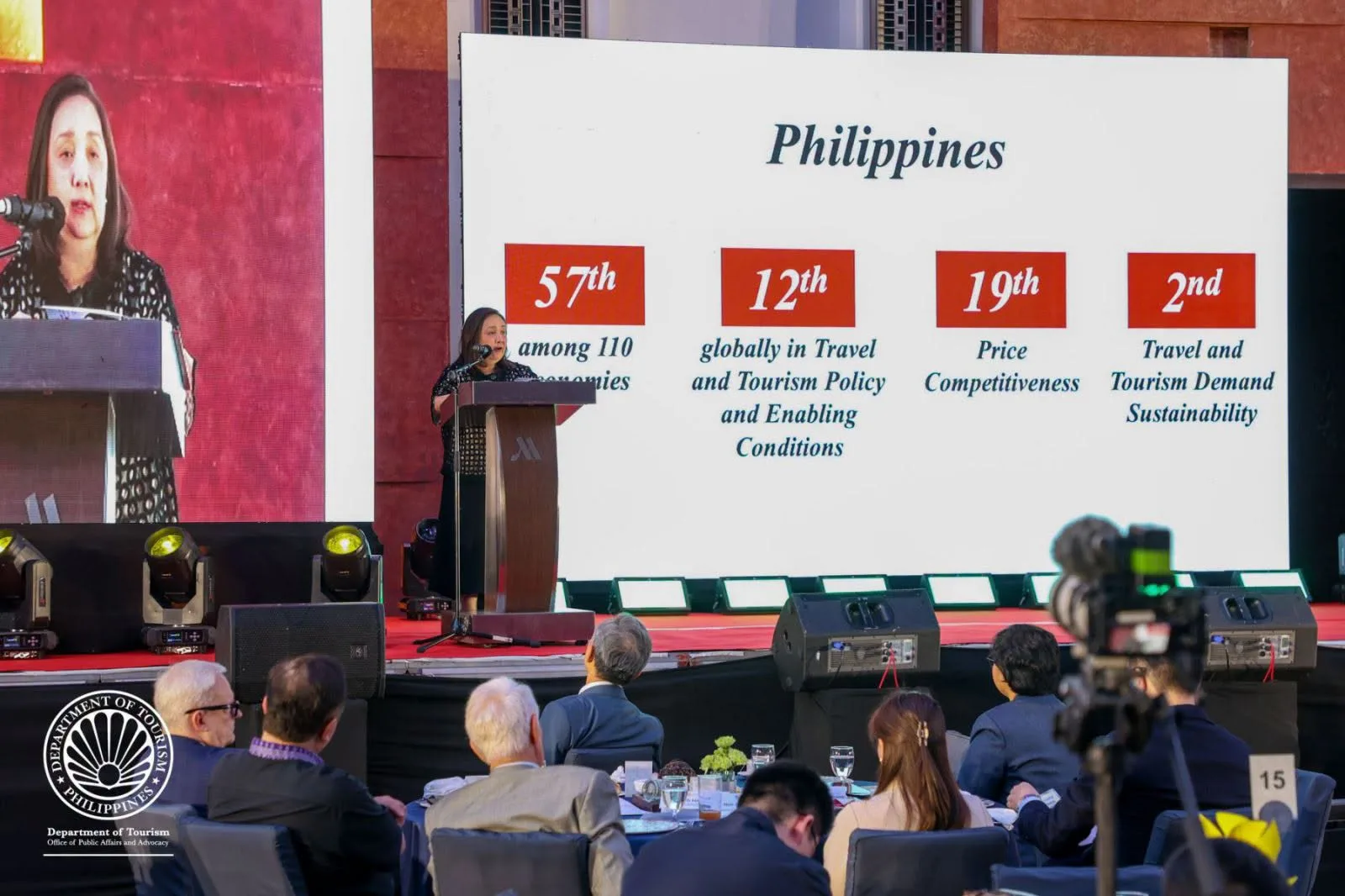
PHILIPPINES — The Department of Tourism is calling on business leaders, investors, and policymakers to invest in the country's growing health and wellness tourism sector. Tourism Secretary Dita Angara-Mathay made the appeal during the 15th Arangkada Philippines Forum on October 9, 2026.
A Call for Integrated Healthcare and Hospitality
Angara-Mathay emphasized that advancing medical and wellness tourism requires a unified ecosystem connecting healthcare, hospitality, infrastructure, and technology. She urged investors to explore the full range of opportunities, from healthcare facilities and diagnostics to rehabilitation, wellness, hospitality, and long-stay communities.
"We want to develop a stronger health and wellness sector that attracts investment, creates jobs, expands regional capacity, and improves services for Filipinos," she said. The greatest potential, she added, lies in linking these services so patients receive coordinated care throughout their journey.
Building on Accreditation and Global Standards
The DOT's accreditation network now includes 13 hospitals, 21 ambulatory clinics, 10 dental clinics, and 63 spas as of September 2026. Six Philippine hospitals also hold Joint Commission International accreditation, reflecting quality and patient safety standards that meet global benchmarks.
These credentials provide a solid foundation for expanding the country's presence in the international health tourism market. Angara-Mathay noted that while the DOT does not directly provide medical care, it works closely with stakeholders to bridge gaps in tourism infrastructure and healthcare support services.
Capturing a $47.3-Billion Wellness Economy
According to the Global Wellness Institute, the Philippine wellness economy reached $47.3 billion in 2024, ranking 23rd worldwide and eighth in the Asia-Pacific region. This figure underscores the sector's significant contribution to the national economy and its potential for further growth.
The DOT is advancing investments in traditional Filipino wellness practices such as hilot, locally sourced wellness products, physical therapy, rehabilitation, preventive healthcare, longevity, fertility and reproductive health, dental and eye care, and other specialized services to capture a larger share of this market.
Public-Private Partnerships and Concierge Services
Angara-Mathay stressed that public-private partnerships are essential for addressing gaps in healthcare-related tourism infrastructure, particularly outside major urban centers. She described a model where patients receive specialized treatment, continue rehabilitation nearby, and stay in quality accommodation with family.
The DOT, in partnership with private stakeholders, recently launched a Medical Concierge and Lounge at Ninoy Aquino International Airport Terminal 3. This facility assists arriving medical tourists with information on health and wellness services and connects them with DOT-accredited establishments.
Expanding Regional Capacity and Specialized Services
The tourism chief said expanding the sector could generate employment, attract investment, and strengthen regional tourism economies. She invited investors to consider integrated medical tourism services that create opportunities across hospitals, rehabilitation facilities, wellness centers, hotels, restaurants, transportation, and digital health providers.
By developing a comprehensive health and wellness ecosystem, the Philippines aims to compete more effectively in the global healthcare travel market. The initiative also seeks to improve access to supporting healthcare services for Filipinos while positioning the country as a premier wellness destination in Asia.