Learning Beyond the Classroom Walls
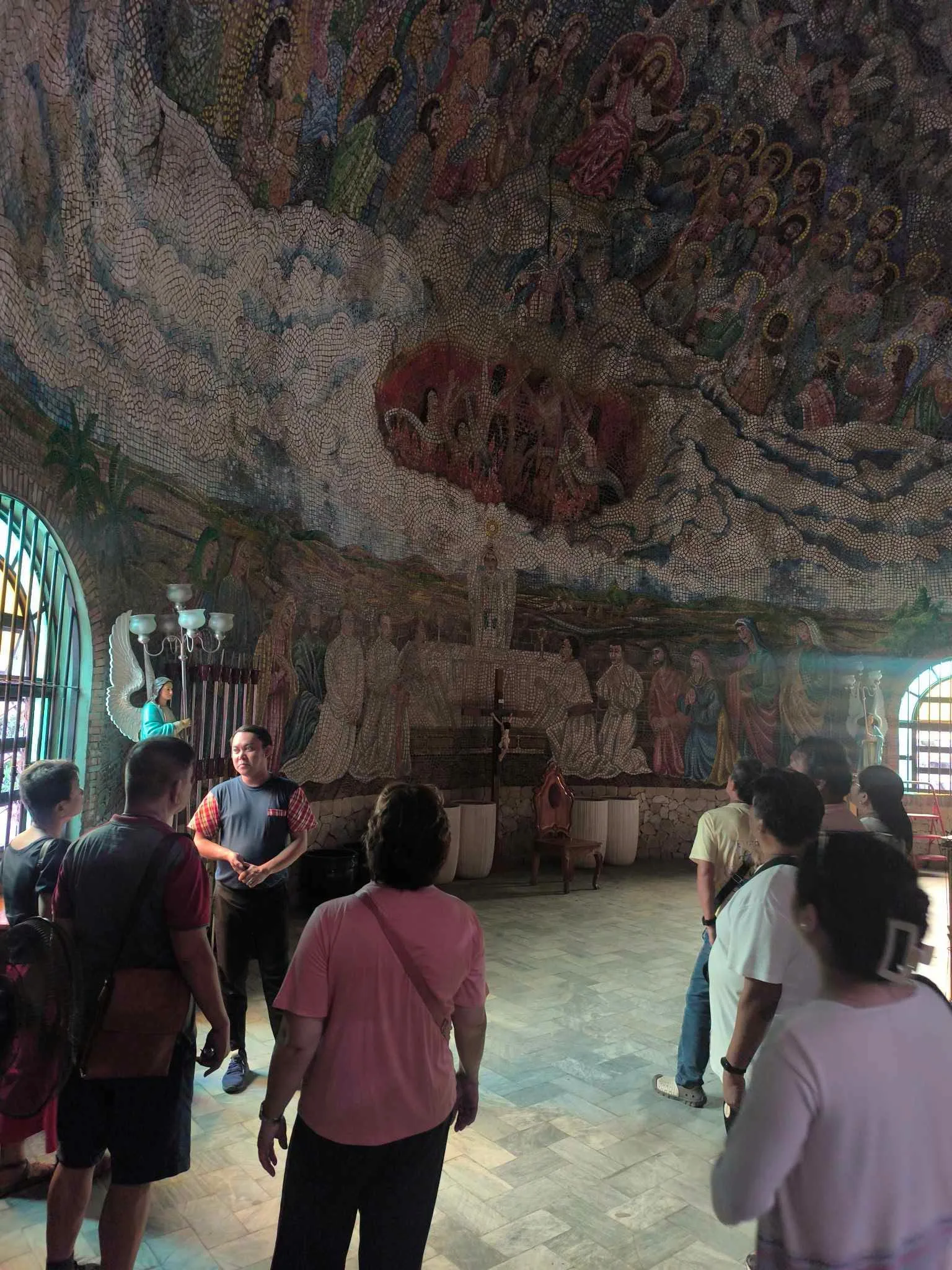
OZAMIZ CITY - A museum visit transforms lessons into real experiences. Instead of reading about historical events, students encounter artifacts, photographs, maps, and exhibits that provide visual context to what they learn in school. Guided tours encourage questions, discussions, and critical thinking while helping visitors understand how local communities evolved over time. These experiences strengthen curiosity and make history feel more personal. Museums also complement classroom instruction by allowing learners to connect academic knowledge with authentic objects that represent the lives, achievements, and traditions of earlier generations.
Preserving Stories That Define a Community
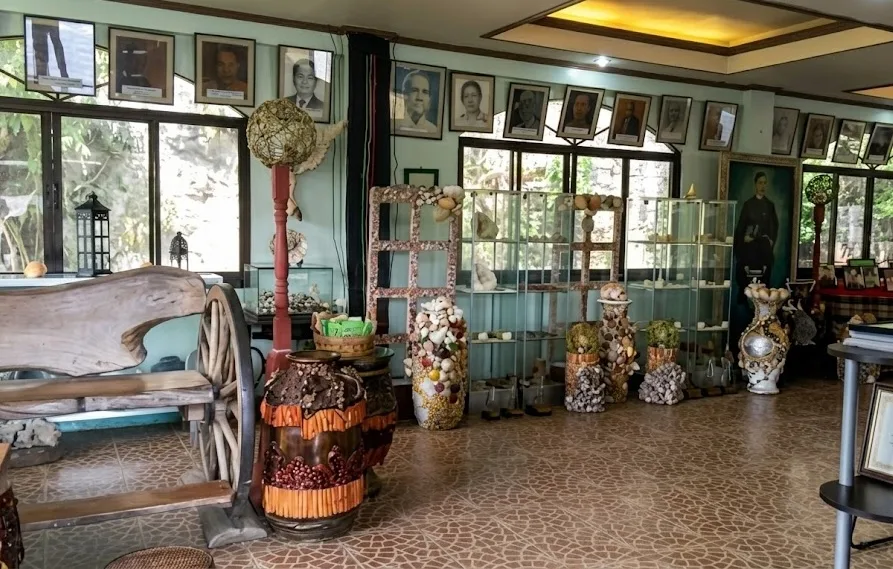
Every artifact displayed inside a museum tells a story about the people who came before. Religious relics, household tools, historical documents, traditional clothing, and cultural artworks help preserve memories that might otherwise disappear with time. By protecting these collections, museums become guardians of community identity while providing valuable resources for researchers, educators, and visitors alike. Cultural preservation also supports tourism by offering travelers opportunities to understand Ozamiz City beyond its scenic attractions, creating deeper appreciation for the area's unique heritage and historical significance.
Inspiring Future Generations to Value Heritage
Young people are more likely to protect cultural heritage when they understand its importance. Museum programs encourage families, schools, and community organizations to participate in activities that celebrate local identity while fostering respect for history. These educational experiences promote civic pride and strengthen appreciation for traditions passed from one generation to the next. As Ozamiz City continues supporting heritage education through museums and cultural institutions, it creates opportunities for lifelong learning while ensuring that valuable stories remain accessible for future residents and visitors.