Why Electric Vehicles Matter to a City
BACOLOD - Electric vehicles are being considered not only as new technology but as part of a broader transportation system. Their potential benefits include reducing dependence on petroleum, lowering vehicle emissions, and reducing certain operating and maintenance expenses. For a city such as Bacolod, where transportation connects residents with schools, workplaces, businesses, and essential services, changes in how vehicles are powered can have effects beyond the roads. Cleaner mobility could also contribute to efforts to improve urban air quality.
The Transition Needs More Than New Vehicles
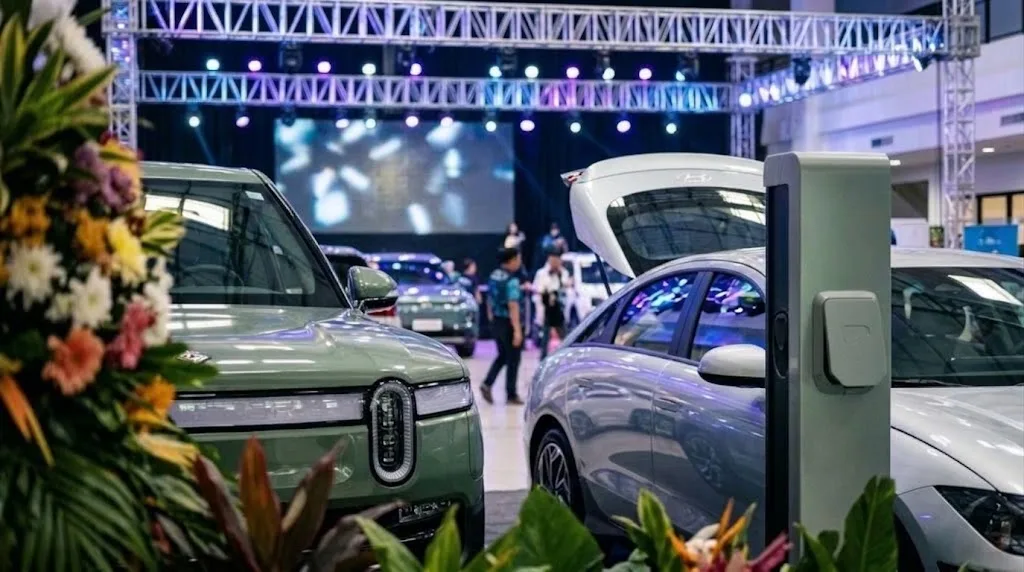
Moving from conventional vehicles to electric ones involves practical questions that operators and commuters need answered. Charging infrastructure, financing, vehicle availability, maintenance, and the cost of adoption can all influence whether electric mobility becomes accessible to transport workers. The summit brings these concerns into the same discussion by involving government agencies, EV suppliers, financial institutions, and transport groups. Public-private partnerships could become particularly important in developing the infrastructure and financial options needed to make the transition workable.
Bacolod Is Already Starting the Conversation
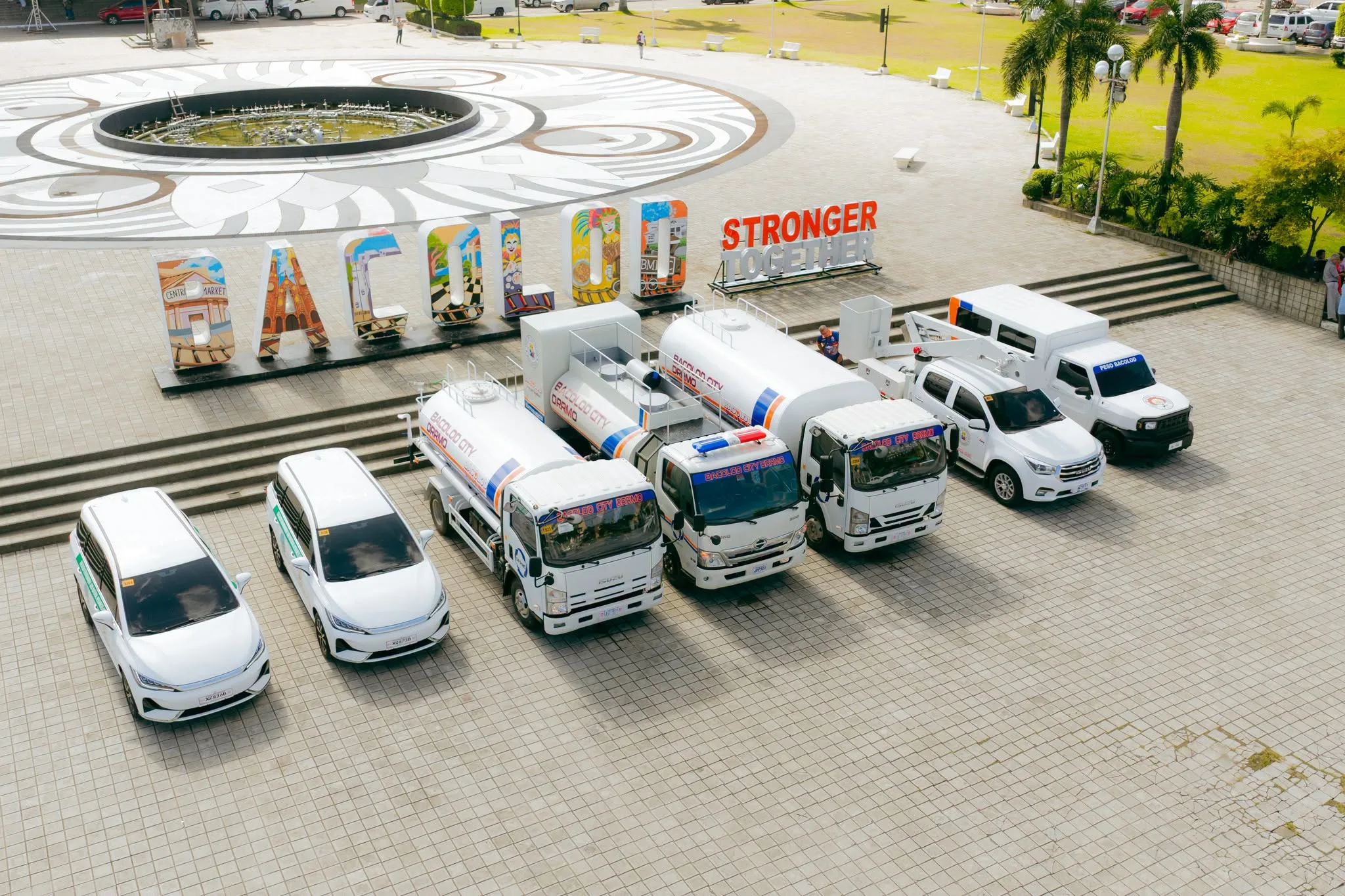
The city government has also acquired electric vehicles for use by several city offices, giving the local government an opportunity to gain firsthand experience with electric mobility. The EV Summit provides a larger platform for discussing how that experience could connect with wider transport modernization efforts. If government, businesses, operators, and commuters can find practical ways to address the costs and infrastructure requirements, electric mobility could gradually become more visible on Bacolod's roads. The bigger goal is not simply to replace one type of vehicle with another, but to build a transportation system that is cleaner, efficient, accessible, and ready for the city's future.