The Neighborhood Affects What You Breathe
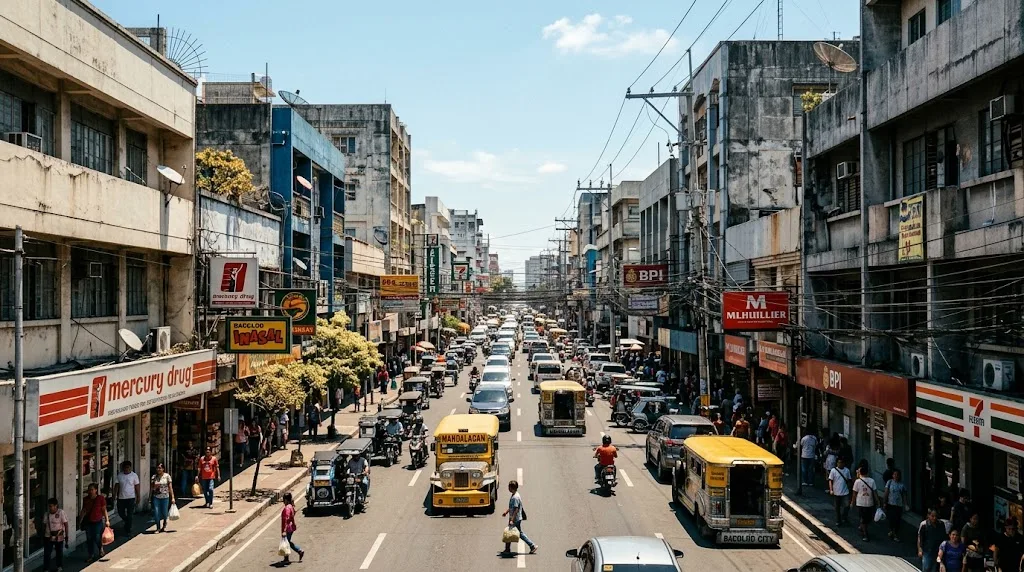
BACOLOD - Air quality is not determined by what happens inside a house alone. Busy roads can produce vehicle-related pollutants, while construction and certain commercial activities can create dust or other emissions. The surrounding landscape matters too. Trees and vegetation can contribute to greener, more pleasant environments, although they should not be treated as a complete solution for air pollution. When viewing a property, buyers can observe traffic levels, nearby activities, open spaces, and the general condition of the neighborhood rather than judging the home solely by its interior.
Green Spaces Can Change the Feel of a Place
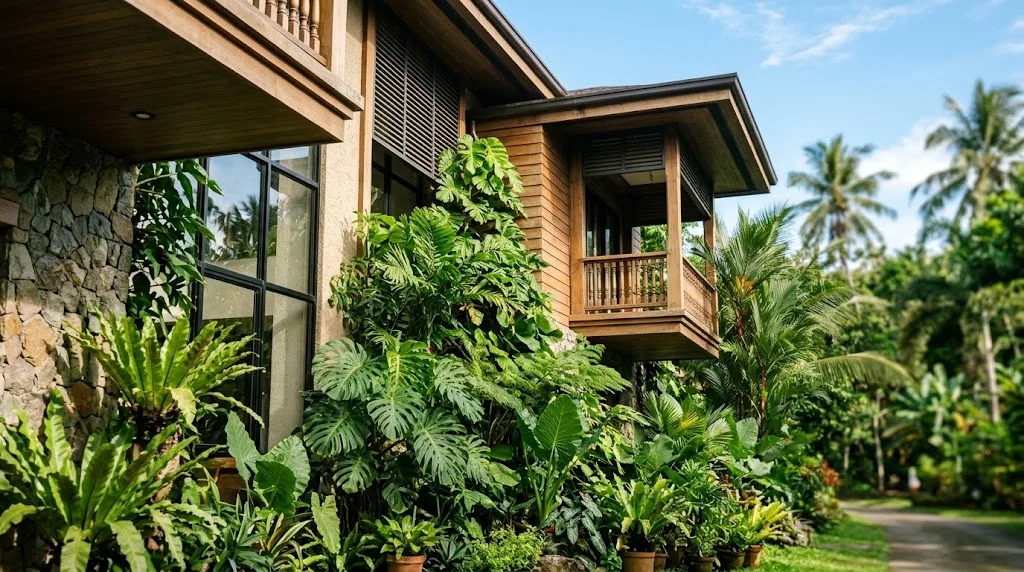
Neighborhoods with trees, gardens, parks, and other vegetation can provide more than visual appeal. Green areas can offer shade, help moderate local temperatures, and create more pleasant spaces for walking and outdoor activities. They can also provide habitat for birds and insects, adding another layer of life to residential communities. For property seekers, the presence of greenery can therefore be an important part of evaluating the surroundings, particularly when comparing homes in more developed areas.
A Property Search Should Look Beyond the Walls
Buyers can learn more about a property's surroundings by visiting at different times of the day. Morning and afternoon visits may reveal differences in traffic, construction activity, and nearby commercial operations. Checking the area's air-quality information when available can provide additional context, while observing how much greenery and open space surrounds the property can help paint a broader picture. A home is more than its walls and rooms. The streets, trees, traffic, businesses, and open spaces around it all contribute to the environment where residents will spend their everyday lives.