When Hard Surfaces Hold the Heat
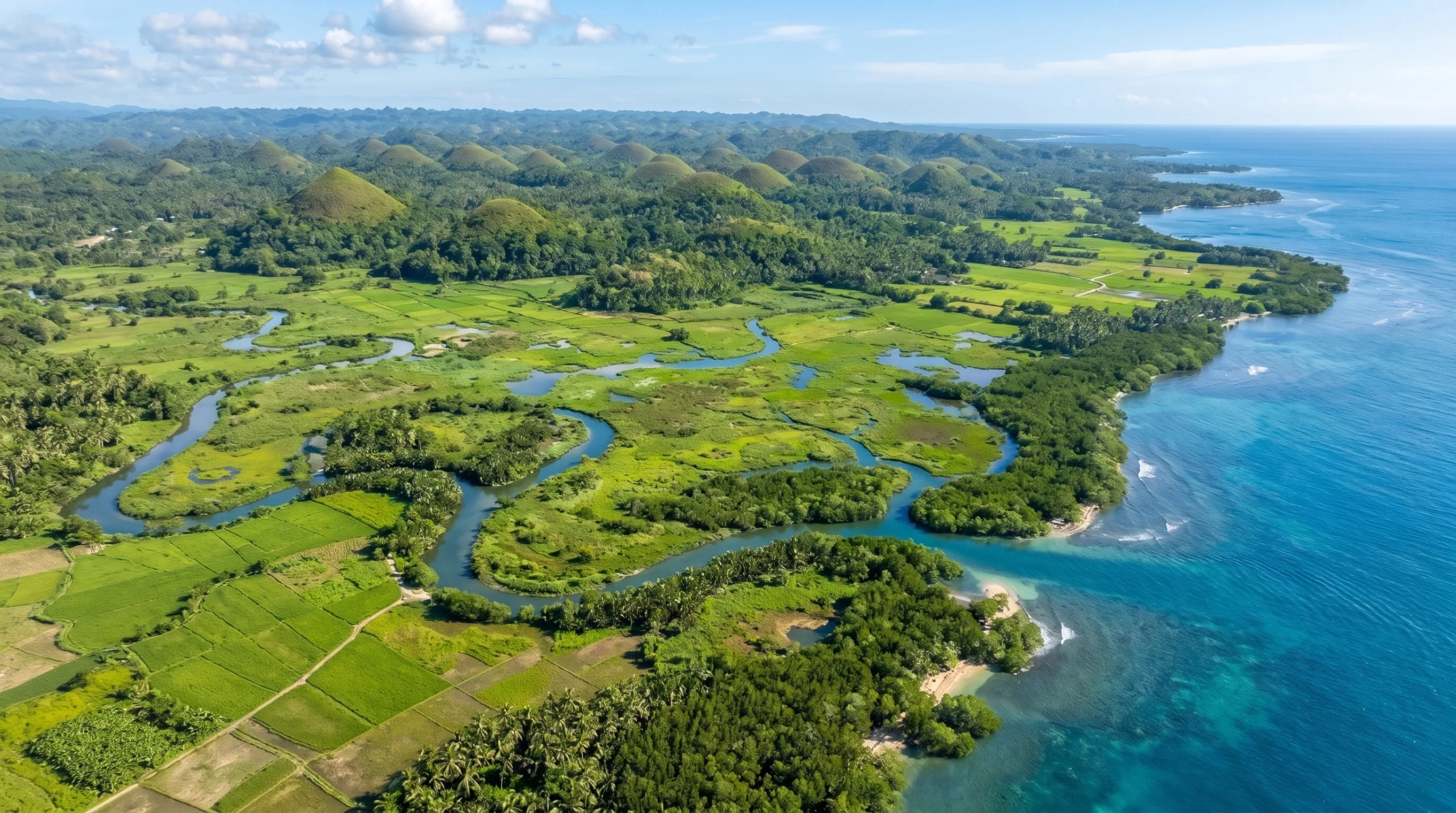
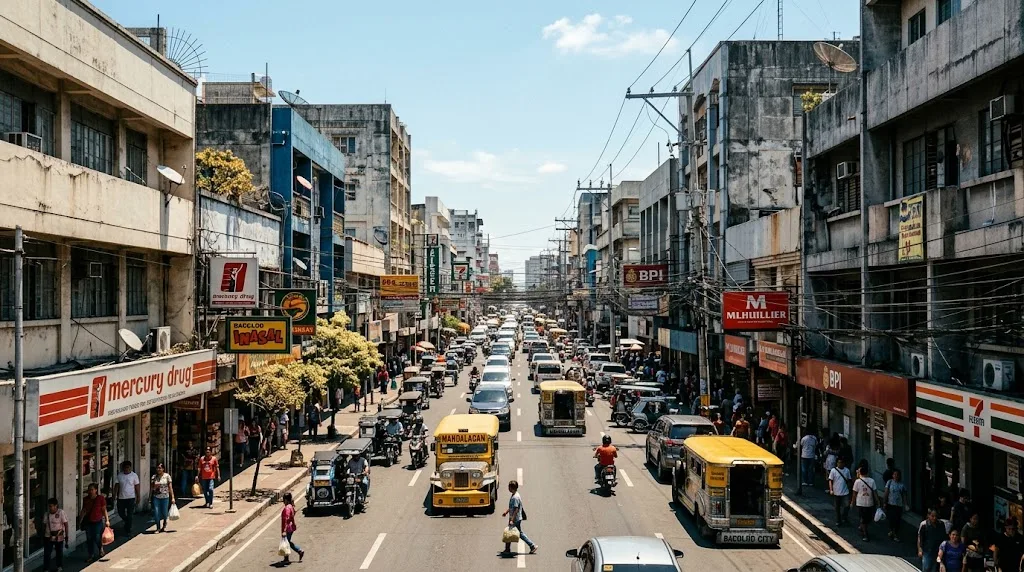
BACOLOD - Roads, parking areas, sidewalks, rooftops, and other built surfaces can absorb sunlight during the day and release stored heat later. When many of these surfaces are concentrated in one area, there may be fewer opportunities for the environment to cool naturally. Buildings can also reduce airflow or create spaces where heat becomes more noticeable. This is one reason a heavily built street can feel warmer than a nearby area with more vegetation and exposed soil, even when both locations experience the same weather.
Trees Can Change the Experience of a Street
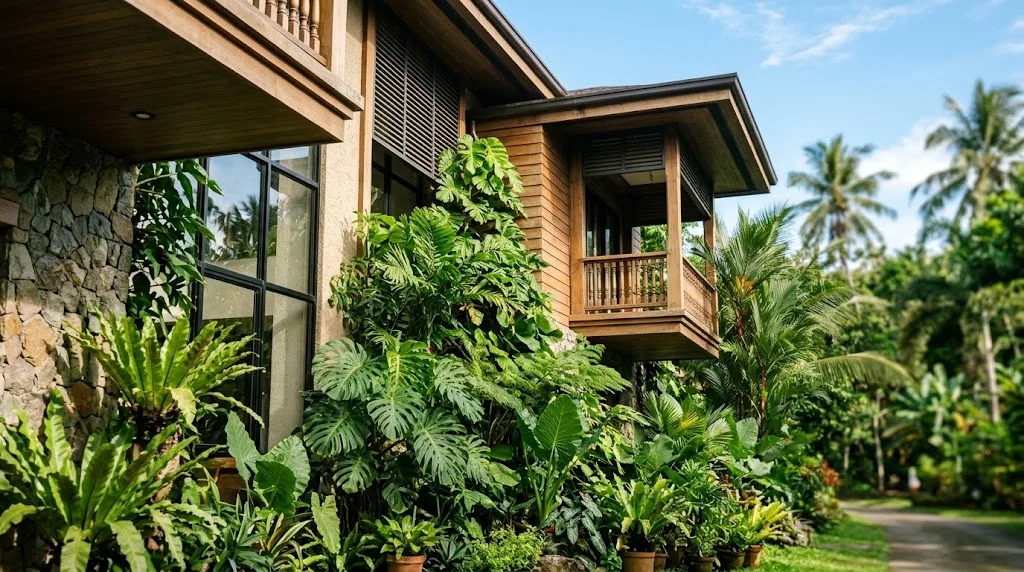
Shade is one of the most noticeable ways vegetation can affect an urban environment. Trees can protect sidewalks, homes, parked vehicles, and other surfaces from direct sunlight while adding greenery to otherwise heavily developed areas. Parks, gardens, planted road sections, and tree-lined streets can also provide residents with more comfortable spaces for walking and spending time outdoors. The placement and type of vegetation matter, but maintaining existing mature trees can already make a meaningful difference to how a neighborhood feels.
Planning for Cooler Neighborhoods
Reducing urban heat is not simply about planting trees in every available space. Cities can combine vegetation with thoughtful building design, shaded pedestrian areas, appropriate materials, open spaces, and planning that allows air to move through neighborhoods. Homebuyers can also pay attention to shade, landscaping, roof design, and the amount of pavement surrounding a property. As Bacolod continues to grow, recognizing where heat accumulates can help communities make choices that create more comfortable places to live. A cooler neighborhood is not only about lower temperatures—it is about designing streets and homes that work better in a tropical climate.