The Harvest Doesn't Have to End With the Crop
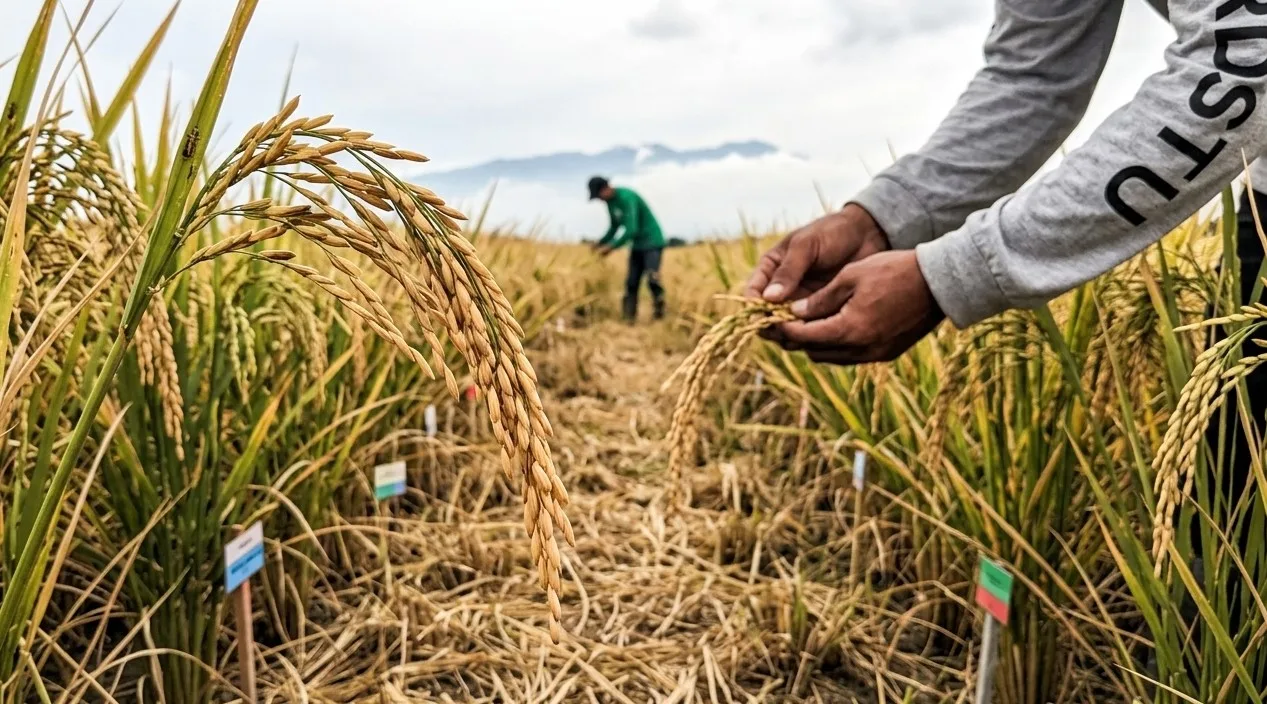
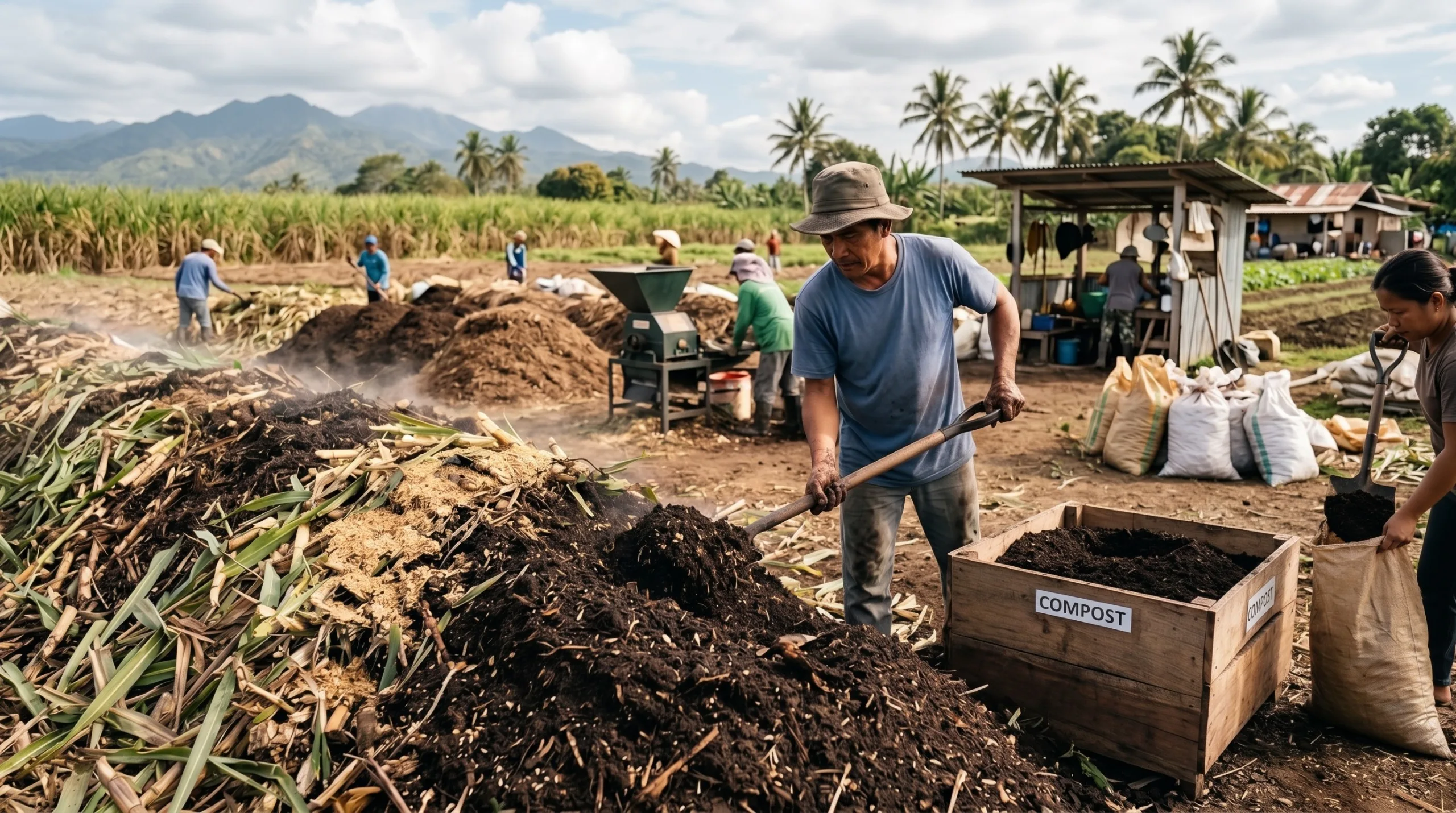
BACOLOD - Agricultural work can leave behind plenty of materials after the useful portion of a crop has been collected. Sugarcane leaves and bagasse, rice hulls, coconut materials, corn residues, and other plant-based leftovers can all represent potential resources rather than simply unwanted waste. In Negros Occidental, the strong presence of sugarcane production makes agricultural by-products particularly relevant to conversations about resource recovery and sustainable farming. Some residues can be returned to fields as organic matter, while others can become inputs for processing or manufacturing when suitable facilities and proper handling are available. The bigger idea is simple: the end of a harvest does not necessarily have to mean the end of a crop's usefulness.
From Farm Leftovers to Useful Products
Crop waste can take on different forms depending on the material and the technology available. Sugarcane bagasse, for example, has long been used by sugar mills as a source of energy, while other plant residues can potentially be processed into compost, soil amendments, animal-feed materials, packaging, crafts, or other products. For smaller agricultural communities, even simple practices such as composting suitable organic residues can reduce the amount of material that needs to be burned or discarded while returning nutrients to the soil. Entrepreneurs can also explore products made from agricultural by-products, provided the process is safe, practical, and supported by a reliable supply of raw materials. What begins as something left behind in a field could therefore become an additional resource for farming or a starting point for a small enterprise.
A Different Way to Look at Agricultural Waste
Turning crop waste into something useful requires more than simply collecting everything that farmers leave behind. Different materials have different uses, and some residues are better left on the farm to protect soil, retain moisture, or return organic matter rather than being removed entirely. Communities can benefit from learning which materials can be composted, processed, recycled, or safely used for other purposes, while farmers and businesses can consider whether collection and processing make economic sense. With the right knowledge, partnerships, and facilities, agricultural waste can become part of a more circular local economy where fewer resources are wasted and more value is recovered. For Bacolod and the wider Negros agricultural community, the question may no longer be “What do we do with this waste?” but “What else can this material become?”