From Cacao Beans to a Comforting Cup
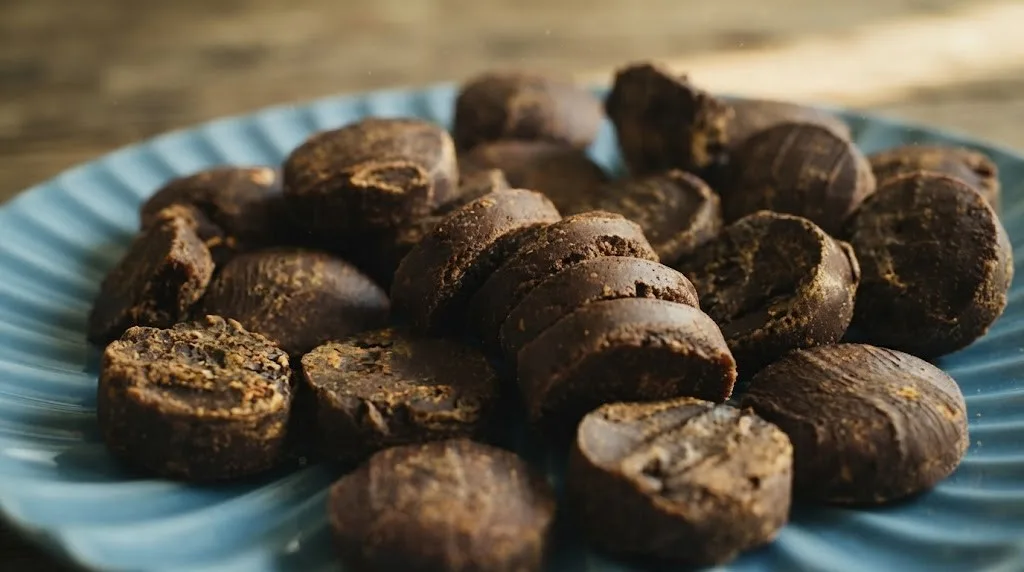
Every piece of native tablea begins with carefully harvested cacao beans that undergo roasting, peeling, grinding, and molding using methods that have been practiced for many years. Unlike chocolate products that contain milk, artificial flavorings, or additional ingredients, traditional tablea is typically made from pure cacao, allowing its natural richness to become the highlight of every cup. This straightforward process preserves the bold character of the beans while producing a product that can be enjoyed in numerous ways. Whether mixed with hot water for a classic tsokolate or blended with fresh milk for a creamier drink, tablea continues to demonstrate the versatility of locally grown cacao. The preparation itself has become part of the experience. Many households still use a traditional wooden whisk known as a batirol to create the signature frothy texture that makes Filipino hot chocolate distinctive. Watching the chocolate gradually transform into a smooth, fragrant beverage reflects the patience and craftsmanship that define many traditional Filipino food preparations.
A Perfect Partner for Bacolod's Native Delicacies
One of the reasons native tablea remains popular is its ability to pair beautifully with many of Bacolod's traditional delicacies. Warm tsokolate complements sweet rice cakes, freshly baked breads, biscocho, puto, and other native snacks without overpowering their flavors. The rich cocoa notes balance sweetness while adding warmth and depth to every meal, making the drink especially enjoyable during breakfast or afternoon merienda. This pairing has become a familiar tradition in many Negrense homes where simple gatherings often revolve around good food and meaningful conversations. Many cafés and specialty shops have also embraced native tablea by introducing handcrafted chocolate beverages that remain faithful to traditional recipes while appealing to modern tastes. Some establishments serve it with locally baked pastries, while others incorporate tablea into cakes, cookies, and specialty desserts. These creative interpretations allow younger generations to appreciate an ingredient that has been part of Filipino food culture for centuries.
Why Every Chocolate Lover Should Try Bacolod's Native Tablea
For travelers searching for authentic food experiences, tasting native tablea offers far more than simply enjoying a cup of hot chocolate. It introduces visitors to one of the agricultural products that has quietly contributed to the culinary traditions of Negros Occidental for generations. Every serving reflects the dedication of cacao farmers, local processors, and artisans who continue preserving techniques that emphasize quality over mass production. Choosing locally made tablea also supports small businesses that remain committed to showcasing the province's rich agricultural resources through traditional food products. As interest in Philippine cacao continues growing both locally and internationally, Bacolod's native tablea stands as an excellent example of how heritage ingredients can remain relevant in today's culinary landscape. Its bold flavor, cultural importance, and handcrafted preparation distinguish it from ordinary chocolate drinks, offering visitors an experience that feels both authentic and memorable. Whether enjoyed in a family home, a neighborhood café, or a specialty delicacy shop, native tablea continues reminding people that some of the finest culinary traditions begin with simple ingredients prepared with exceptional care.