Recognizing the Early Signs of Heat-Related Illnesses
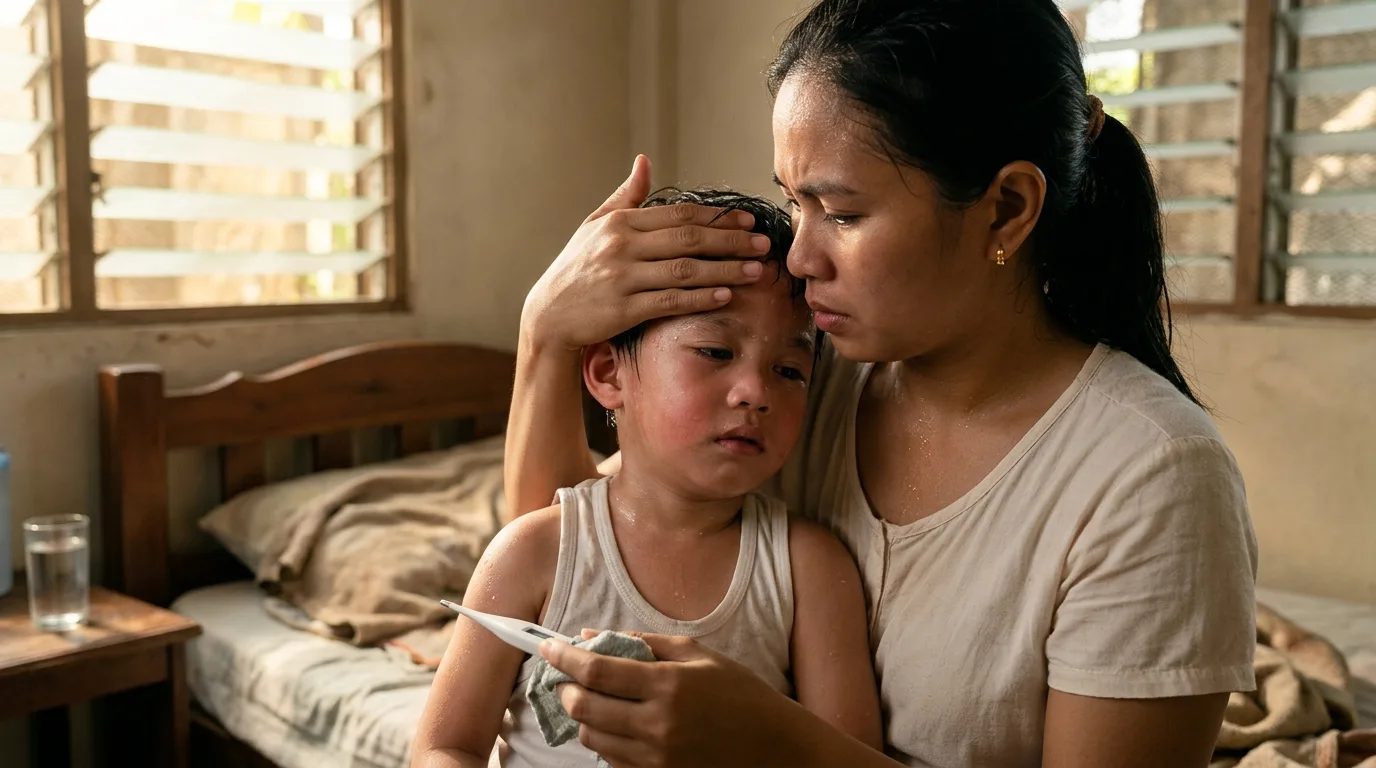
BACOLOD - During prolonged hot weather, residents should watch for excessive sweating, unusual tiredness, weakness, dizziness, headaches, muscle cramps, nausea, and extreme thirst. These may indicate heat exhaustion or dehydration, particularly among people who spend long hours outdoors. More serious warning signs include confusion, slurred speech, difficulty breathing, seizures, extremely high body temperature, and loss of consciousness, which may indicate heat stroke. Children, senior citizens, pregnant women, outdoor workers, and people with existing medical conditions need particular attention because they may face greater risks from excessive heat. Early recognition of these symptoms can help prevent a manageable condition from becoming a medical emergency.
Knowing What to Do When Symptoms Appear
When someone experiences possible heat exhaustion, move them to a shaded or cool place, loosen unnecessary clothing, and apply cool, wet cloths to help lower their body temperature. If the person is fully alert and able to swallow, encourage small, frequent sips of cool water. Seek medical attention if symptoms worsen, persist, or include vomiting or fainting. Heat stroke requires immediate emergency assistance: call 911, move the person to a cooler area, and begin rapid cooling with cool water or wet cloths while waiting for medical help. Do not give drinks to someone who is confused, unconscious, or unable to swallow safely. Residents should also watch for possible dehydration, including dry mouth, dark-colored urine, and reduced urination.
Preventing Other Illnesses Through Safe Daily Habits
El Niño-related health concerns are not limited to excessive heat. Water shortages and unsafe water sources can increase the risk of diarrheal and other waterborne illnesses, while high temperatures can cause food to spoil more quickly. Residents should use safe drinking water, wash their hands regularly, prepare and store food properly, and avoid consuming food with unusual odors or appearance. Families should also maintain clean surroundings, protect themselves against mosquito bites, and seek medical advice when experiencing persistent fever, vomiting, diarrhea, or other unusual symptoms. Drinking enough clean water, wearing light and breathable clothing, limiting strenuous outdoor activities during the hottest hours, and keeping vulnerable household members comfortable can help reduce health risks. Staying informed through official health advisories and consulting the nearest health center when symptoms appear are important steps toward keeping communities healthy during El Niño.