From Green Fields to Harvested Cane
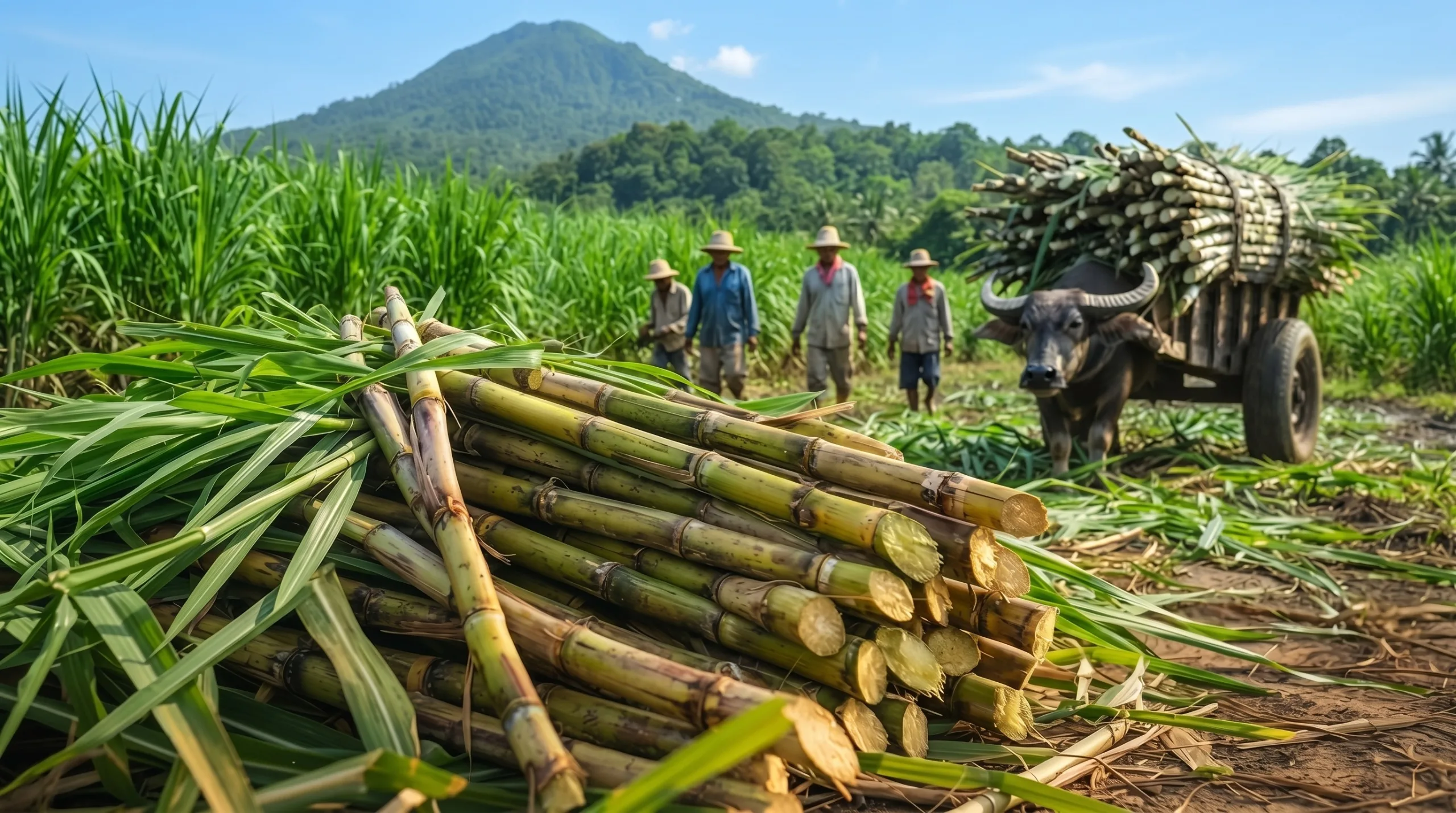
BACOLOD - Sugarcane harvesting begins when farmers determine that their crops are ready for cutting and coordinate the work with available labor and mill schedules. Across agricultural communities in Negros Occidental, including areas around Talisay, Silay, La Carlota, and Binalbagan, harvesting involves cutting the mature stalks, gathering the cane, and preparing it for transport. Depending on the farm, workers may use manual methods or machinery to complete different tasks. The timing matters because farmers must coordinate the harvest with transportation arrangements and the receiving capacity of nearby sugar mills. Weather, crop condition, labor availability, and field accessibility can all influence how smoothly the work progresses.
The Journey From Farms to Sugar Mills
After cutting, harvested sugarcane is collected and loaded onto trucks or other hauling vehicles for delivery to designated mill sites or transloading stations. The movement of these vehicles becomes an important part of the harvest season, particularly in sugar-producing areas where several farms deliver cane to the same facilities. In Negros Occidental, sugar mills in La Carlota City, Binalbagan, Talisay City, Silay City, and Victorias City are part of the province’s established sugar-processing network. Once received, the cane is processed to extract its juice, which undergoes further treatment to produce sugar. The coordination between farmers, haulers, mill personnel, and other industry workers helps keep the harvest moving from the fields toward processing.
Why Harvest Season Matters to Local Communities
The sugarcane harvest supports a network of livelihoods beyond the farms themselves. Field workers, truck drivers, equipment operators, mill employees, suppliers, and small businesses can all be connected to seasonal agricultural activity. Harvesting also requires fuel, farm inputs, machinery maintenance, and preparations for the next planting cycle. However, farmers face challenges such as changing weather conditions, production costs, crop pests, and fluctuations in sugar prices. Understanding the harvest offers visitors and residents a closer look at how agriculture shapes the landscape and economy of Negros Occidental. Behind every delivery of cane is a chain of work that links rural communities with the wider sugar industry.