Modern Farming Methods Are Shaping Rice Production
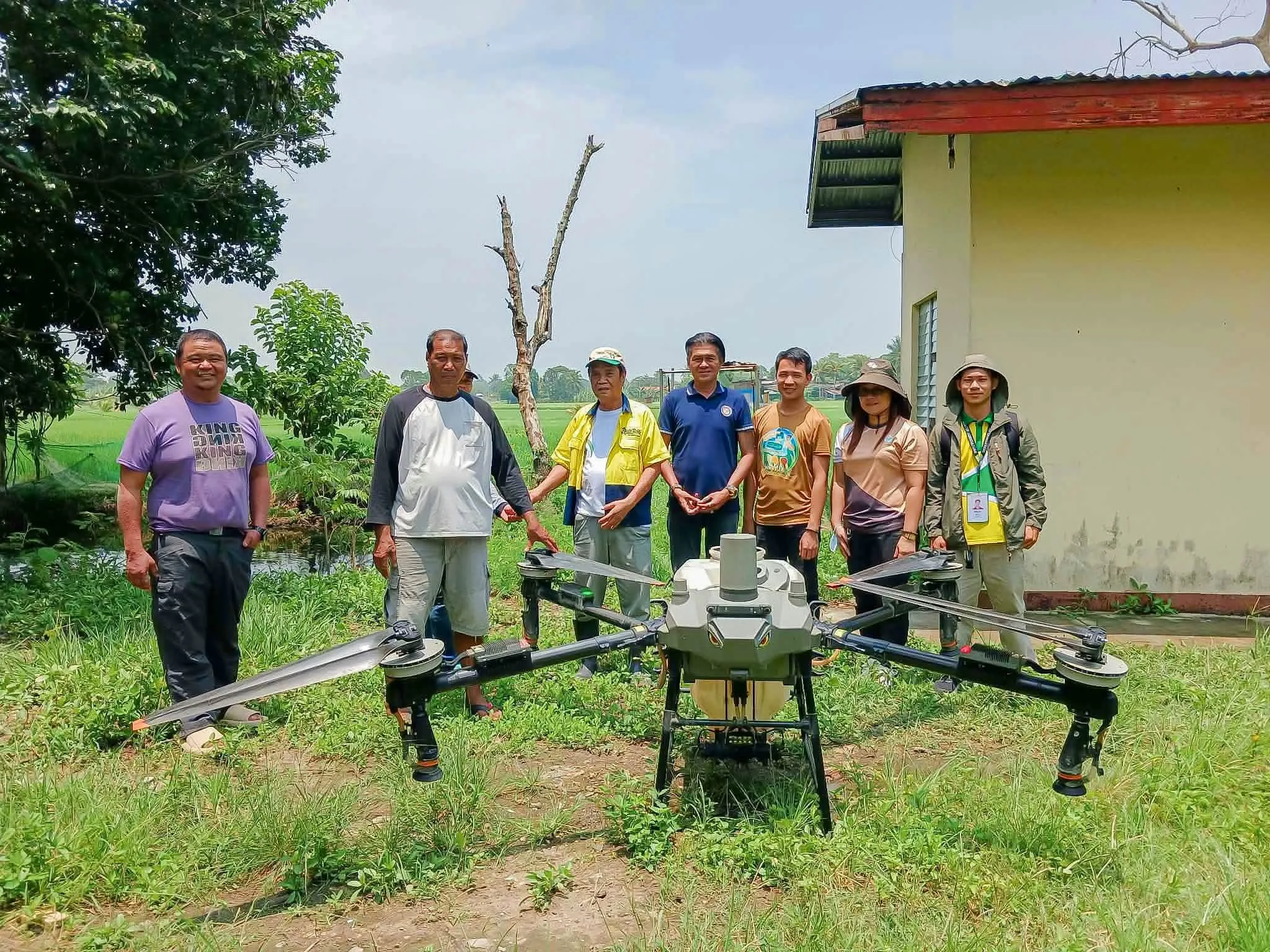
BOHOL - Rice farming in Bohol continues to evolve as farmers explore practical ways to improve productivity and manage changing agricultural conditions. In 2026, rice farmers from Ubay, Dimiao, and Tubigon participated in training programs organized by the Agricultural Training Institute–Central Visayas, covering updated production techniques, digital farming tools, balanced fertilization, and the PalayCheck System. These approaches help farmers make informed decisions about seed quality, land preparation, crop nutrition, and pest management. Digital advisory tools, such as the Rice Crop Manager Advisory Service, can also provide farm-specific recommendations for crop and nutrient management. As these practices become more familiar, farmers can better assess which methods suit their land, available resources, and production goals.
Water Management and Climate Resilience Matter
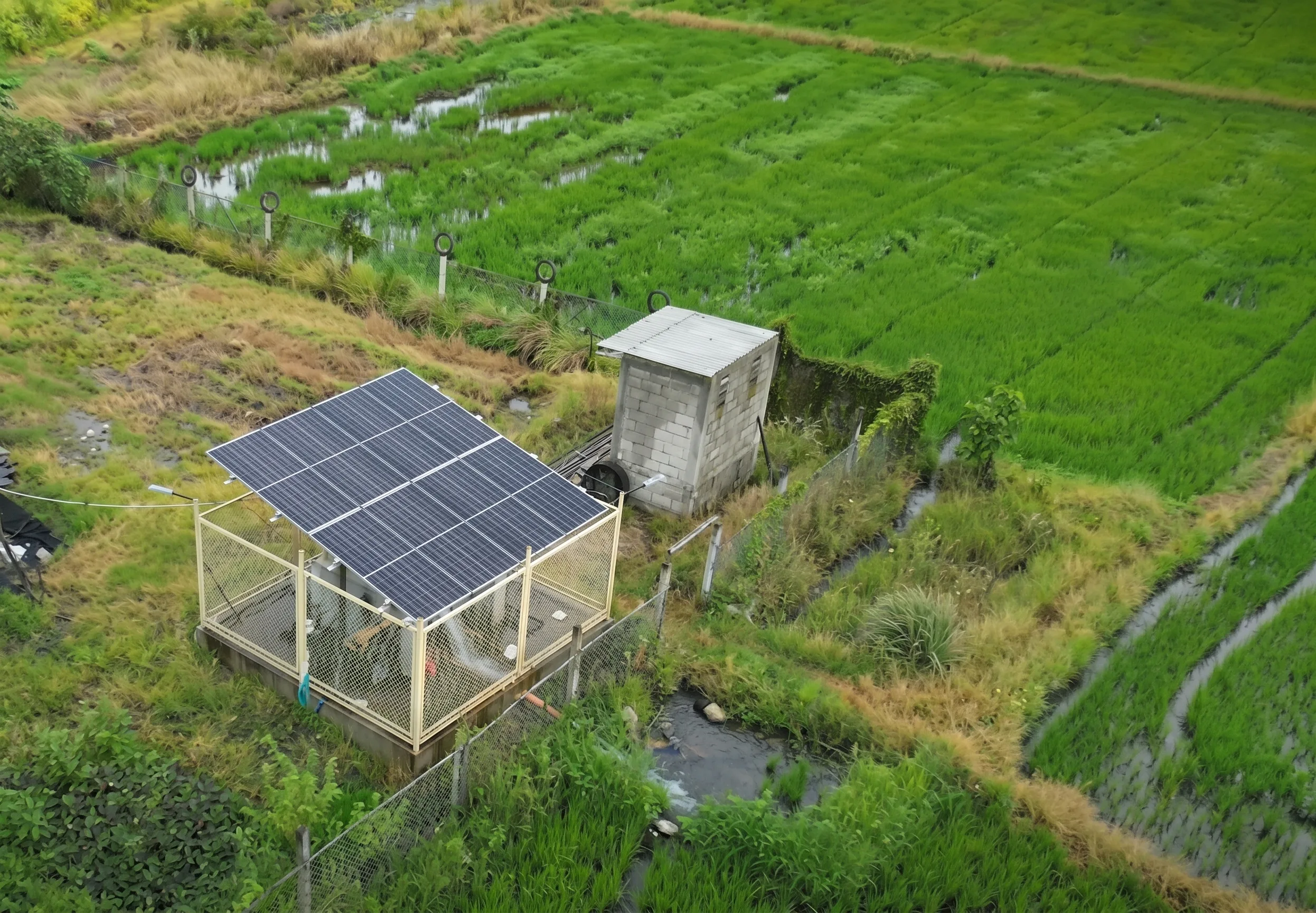
Weather variability and access to irrigation remain important considerations for Bohol’s rice-growing communities. The National Irrigation Administration has encouraged early planting in areas served by irrigation systems to make use of available rainfall, while monitoring water availability ahead of potential dry conditions. In June 2026, the Philippine Information Agency reported that around 59% of Bohol’s 11,911 hectares of prime rice production lands had been identified as vulnerable if the forecast dry spell materialized. Farmers may need to consider planting schedules, suitable rice varieties, efficient fertilizer use, and water-saving practices according to local conditions. Access to reliable weather information and coordination with agricultural technicians can help growers prepare for seasonal challenges and reduce avoidable production risks.
Investing in Farmers Can Support the Next Generation
The future of rice farming depends not only on technology but also on the knowledge, equipment, and market opportunities available to farming communities. In Alicia, Bohol, a post-harvest facility supported by the National Irrigation Administration and the Philippine Center for Postharvest Development and Mechanization was inaugurated in March 2026, providing a rice mill and recirculating dryer intended to improve processing efficiency, grain quality, and storage. Similar investments in farmer training, shared machinery, irrigation, and post-harvest facilities can help communities manage labor demands and reduce losses after harvesting. Continued cooperation among farmers’ associations, government agencies, and agricultural institutions can help Bohol strengthen its rice industry while supporting rural livelihoods and the province’s long-term food security.