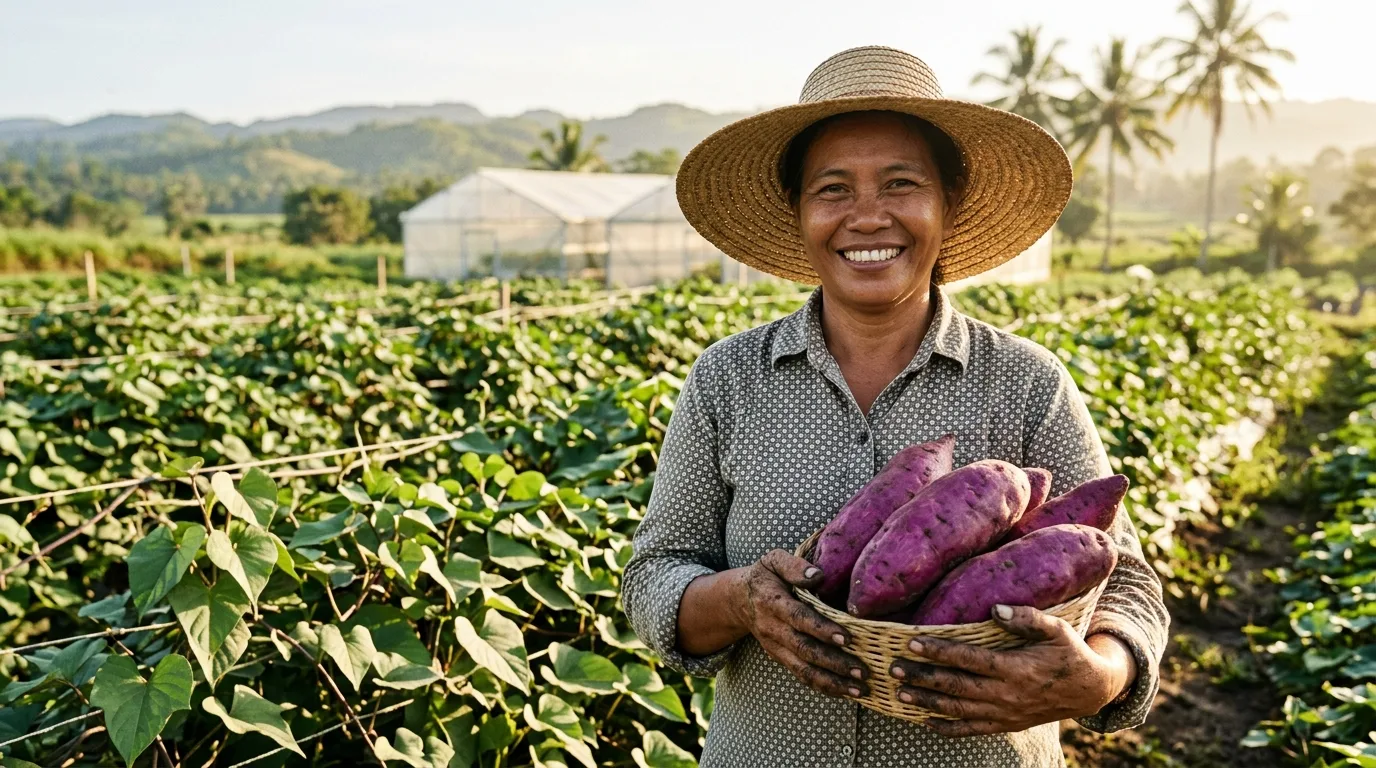
Bohol — The humble ube, a vibrant purple yam deeply embedded in Filipino culinary culture, is set to receive a significant boost from the government. The Philippines' Department of Agriculture (DA) has reportedly earmarked dedicated funding for ube development within its proposed 2027 national budget, signaling a strategic move to elevate this beloved crop's economic standing. This proactive step aims to harness ube's growing global popularity and translate it into tangible benefits for local farmers and the broader Filipino economy. While specific figures or detailed programs for the 2027 allocation were not immediately disclosed by GMA Network, the mere reservation of funds underscores the DA's intent to professionalize and expand the ube industry.
Escalating Laboratory R&D to P93 Million for Tissue-Culture Mass Propagation
This could encompass initiatives ranging from improved farming techniques, research into new, high-yield varieties, post-harvest processing facilities, and even targeted marketing strategies to penetrate international markets. Ube, known globally for its distinctive color and sweet, earthy flavor, has gained immense traction beyond traditional Filipino desserts, appearing in everything from lattes in trendy cafes to gourmet ice creams and pastries worldwide. Enhanced government support could help Filipino farmers meet this growing global demand, ensuring quality and consistent supply.
Mobilizing a National Federation to Enforce Strict Export Quality Standards
For millions of Filipinos, both at home and among the global OFW community, ube represents more than just a food item; it's a symbol of home, heritage, and culinary identity. Investing in its development isn't solely about agriculture; it's about strengthening a cultural icon and creating sustainable livelihoods. A thriving ube industry could mean more stable and increased incomes for farming families across the Philippines, potentially reducing the economic pressures that often lead individuals to seek employment abroad. For OFWs, this could translate into better support for their families back home, knowing that local industries are creating viable opportunities. Economically, a robust ube sector could contribute significantly to the Philippines' agricultural Gross Domestic Product (GDP). It positions the country to capitalize on a unique global market niche, diversifying agricultural exports and bringing in valuable foreign exchange. This long-term investment could foster improved economic stability and rural development, ultimately benefiting the broader Filipino populace and showcasing the rich potential of Philippine agriculture on the world stage.
Shielding Smallholder Incomes and Redirecting Migrant Worker Remittances
Filipinos should closely monitor the specifics of this proposed 2027 budget allocation as it moves through legislative processes. Understanding how these funds will be utilized—whether for direct farmer support, technological upgrades, research and development, or market access programs—will be crucial for maximizing its impact. For those considering agricultural ventures, supporting local produce, or even exploring food entrepreneurship, this development signals a promising future for a uniquely Filipino crop with immense global appeal. It's a powerful reminder of the rich agricultural potential within the Philippines, capable of creating opportunities that resonate from local farms to international tables, enriching the lives of Filipinos everywhere.