BOHOL — Every Thursday, Plaza Rizal transforms into a bustling marketplace where Boholano farmers sell freshly harvested goods directly to consumers. The "Kadiwa sa Plaza" initiative, revived by the Office of the Provincial Agriculturist (OPA), offers residents farm‑gate prices on vegetables, fruits, and local delicacies.
A Market That Cuts Out the Middleman
The Kadiwa model eliminates layers of traders and resellers who traditionally inflate retail prices. Farmers from San Miguel, Antequera, San Isidro, and other agricultural towns haul their produce straight to the plaza each week. Consumers win with lower prices, while growers keep a larger share of every sale.
This direct connection between producer and buyer builds trust and transparency. Shoppers can ask farmers how crops were grown and when they were harvested. The relationship strengthens the local food system and keeps money circulating within Bohol's economy. Every transaction at the plaza is an investment in the island's agricultural future.
More Than Just Vegetables
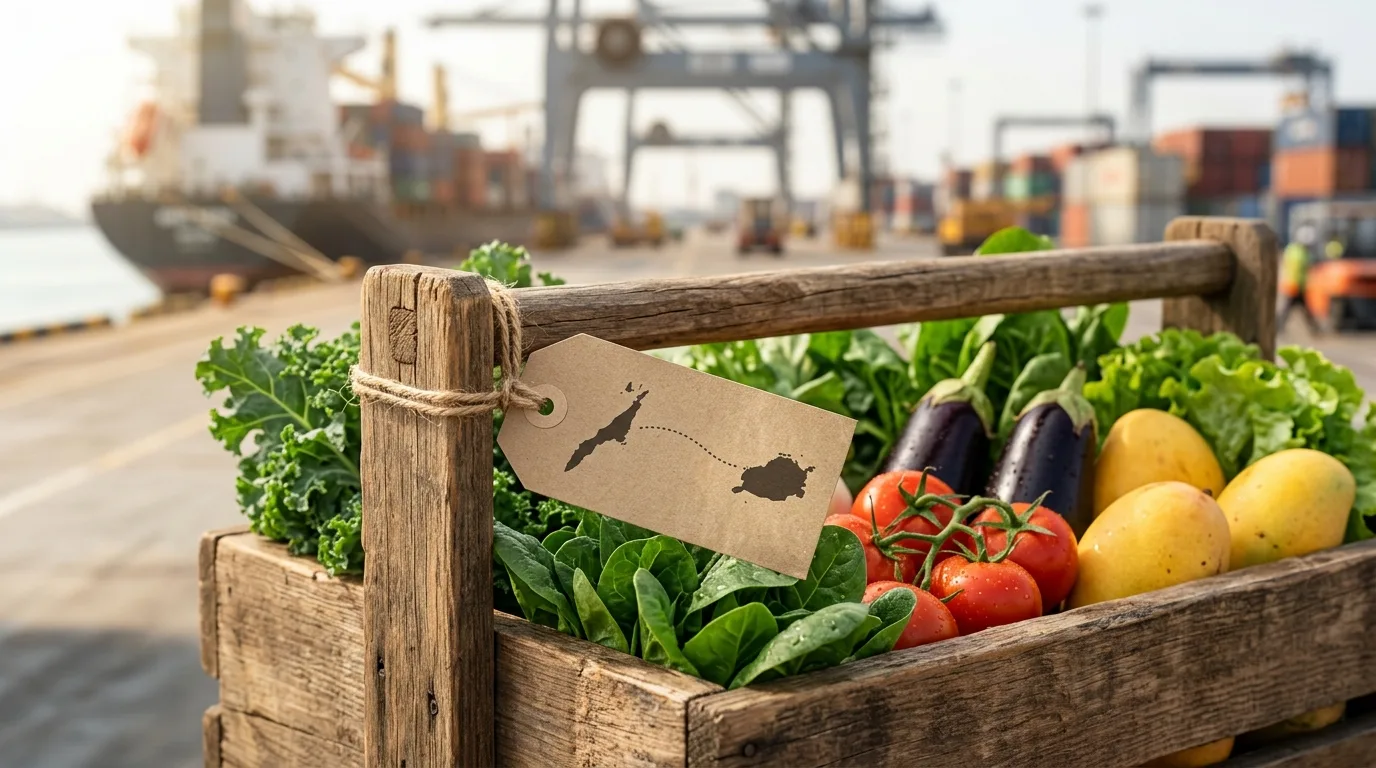
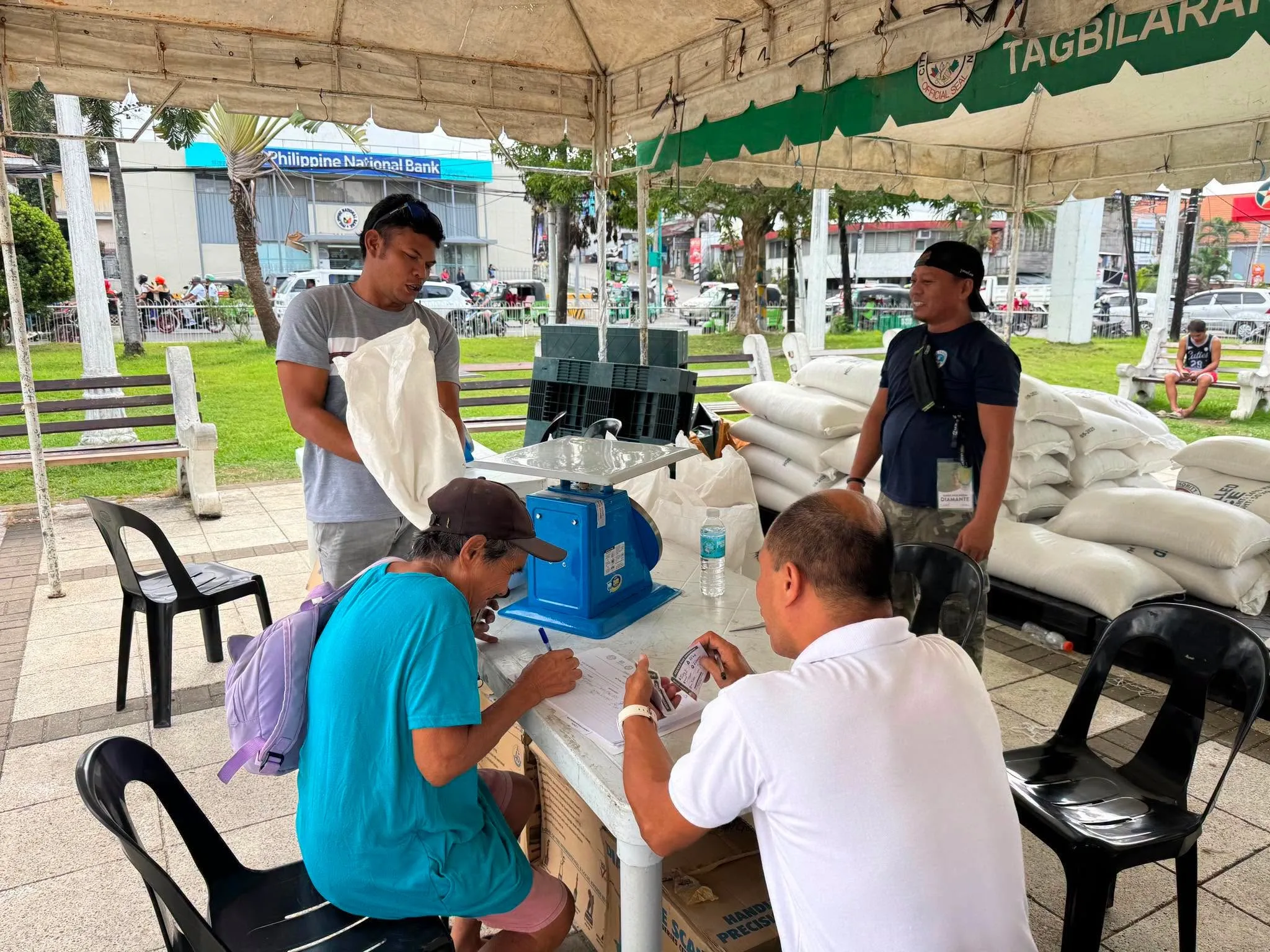
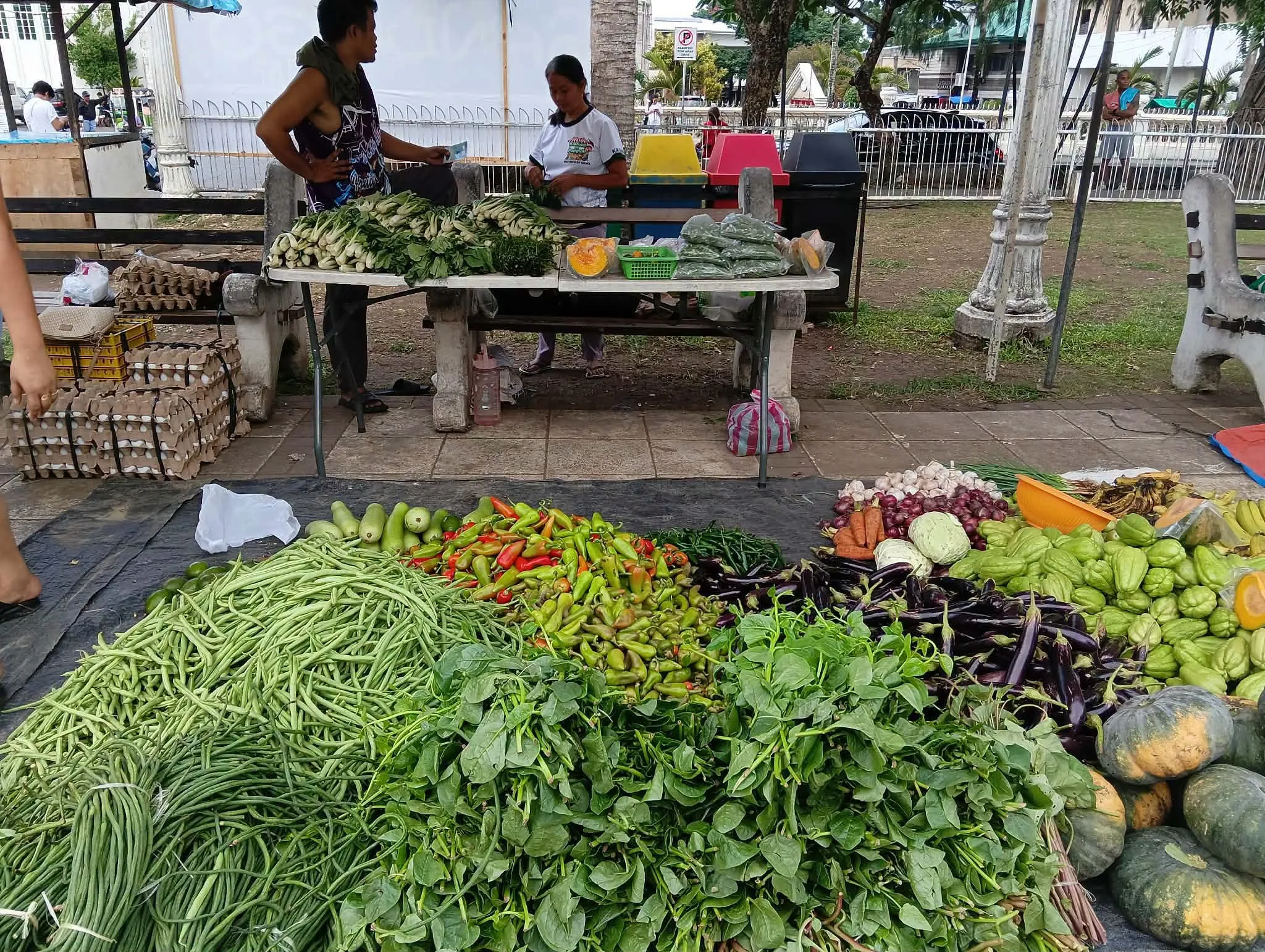
Shoppers fill their baskets with an impressive variety of goods. Tables overflow with sweet pepper, ginger, eggplant, ampalaya, sweet potato, cassava, and tropical fruits at prices far below commercial markets. Fresh eggs by the tray and locally milled rice—including the subsidized "Benteng Bigas Meron Na" at just ₱20 per kilo—draw long lines of budget‑conscious families.
Processed goods from local micro‑enterprises add value to the market experience. Homemade jams, dried fish, native delicacies, and handicrafts give visitors a taste of Bohol's culinary heritage. The variety ensures that a single trip to Plaza Rizal can fill both the pantry and the gift bag.
A Partnership Between Government and Growers
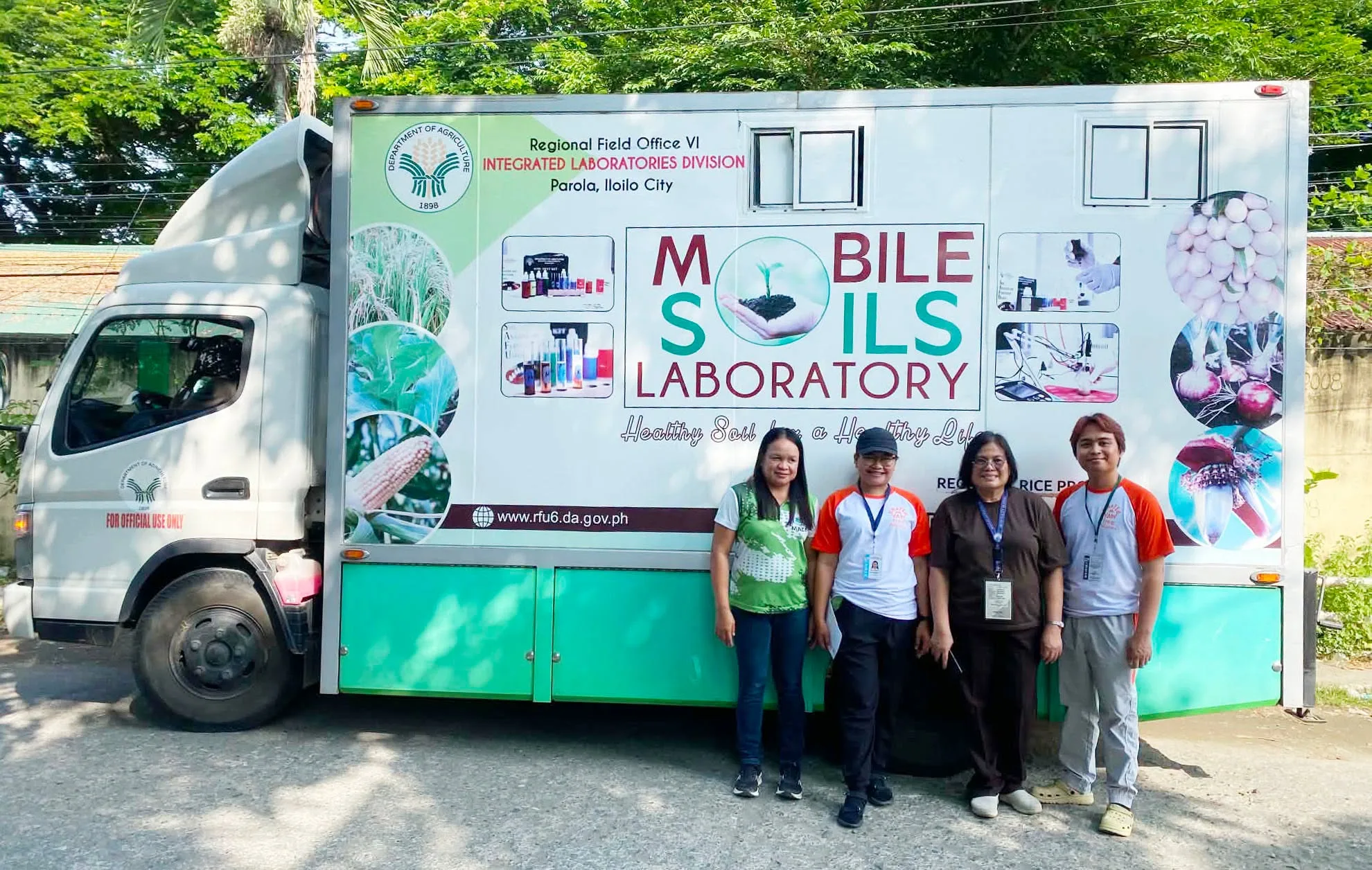
The OPA, under Provincial Agriculturist Liza M. Quirog and Governor Aris Aumentado, provides logistical support including tents, tables, and vendor coordination. The provincial government views the market as a critical tool for food security. It complements national programs while addressing local needs.
The Kadiwa also serves as an outlet for the province's Palay Buy‑Back Program, which purchases grains directly from Boholano rice farmers. By providing a steady retail channel, the government encourages growers to plant with confidence. The initiative bridges the gap between agricultural policy and everyday household budgets.
Every Purchase Plants a Seed
OPA leaders often remind visitors that buying at Kadiwa is more than a transaction. Each peso spent helps a farming family send children to school, buy seeds for the next planting season, and build resilience against climate shocks. The market transforms passive consumers into active partners in rural development.
Regular shoppers have noticed the difference in both their wallets and their meals. The produce lasts longer because it travels shorter distances from farm to table. Families who once relied solely on commercial supermarkets now plan their Thursdays around the Plaza Rizal market.
A Growing Movement Across the Province
What began as an alternating Thursday experiment has grown into a permanent weekly fixture. The OPA is exploring ways to replicate the model in other municipalities. As more towns express interest in hosting their own Kadiwa markets, Bohol is building a network of community‑centered trade that prioritizes people over profit.