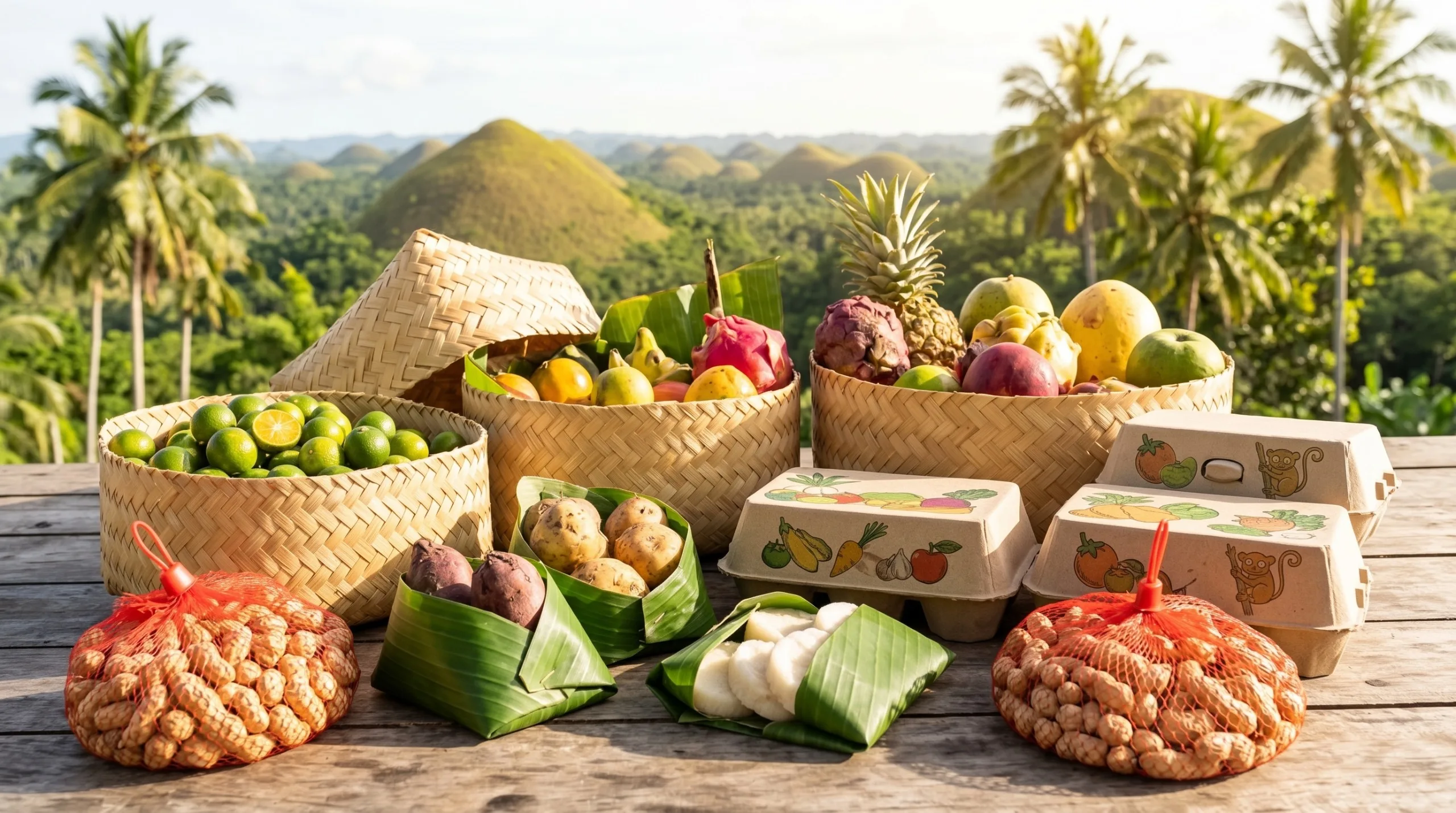
Match Packaging to the Type of Produce
BOHOL - Different crops require different levels of protection. Delicate tomatoes, leafy vegetables, and ripe fruits may need containers that limit crushing and allow appropriate airflow, while sturdier crops can often tolerate simpler packaging. Farmers should consider the size, weight, moisture, and sensitivity of their produce before choosing sacks, crates, cartons, or other containers. Reusable plastic crates, for example, may be suitable for repeated transport when they are properly cleaned and maintained, while suitable cardboard boxes can work for certain dry or carefully handled products. Selecting the right container helps reduce damage during loading, unloading, and delivery to markets around Bohol.
Balance Cost, Convenience, and Product Quality
Packaging decisions often involve balancing the purchase price against the protection a container provides. Low-cost packaging may seem attractive, but damaged produce and rejected deliveries can create additional losses. Farmers should consider how much packaging is needed, whether containers can be reused, how easily they can be stacked, and whether they fit the available transport arrangements. Ventilation is also important for many fresh crops, although packaging must be matched to the product and storage conditions. For growers supplying public markets, retailers, restaurants, or institutional buyers, understanding buyer requirements before harvest can help avoid unnecessary repacking and expenses.
Reduce Waste While Meeting Market Requirements
Packaging can contribute to agricultural waste when containers are difficult to reuse, recycle, or dispose of responsibly. Farmers can explore durable reusable crates, appropriately sized cartons, and other materials that meet the product’s protection and handling needs. Whatever the material, containers should be clean, suitable for contact with food, and strong enough for the intended journey. Farmers should also avoid using packaging that traps excessive moisture or exposes produce to contamination. In Bohol, the Office of the Provincial Agriculturist and agricultural extension personnel may help growers learn about postharvest handling and market preparation. By combining practical packaging choices with proper handling, farmers can help deliver better-quality produce while reducing avoidable losses.