Start With Shade, Plants, and Smarter Landscaping
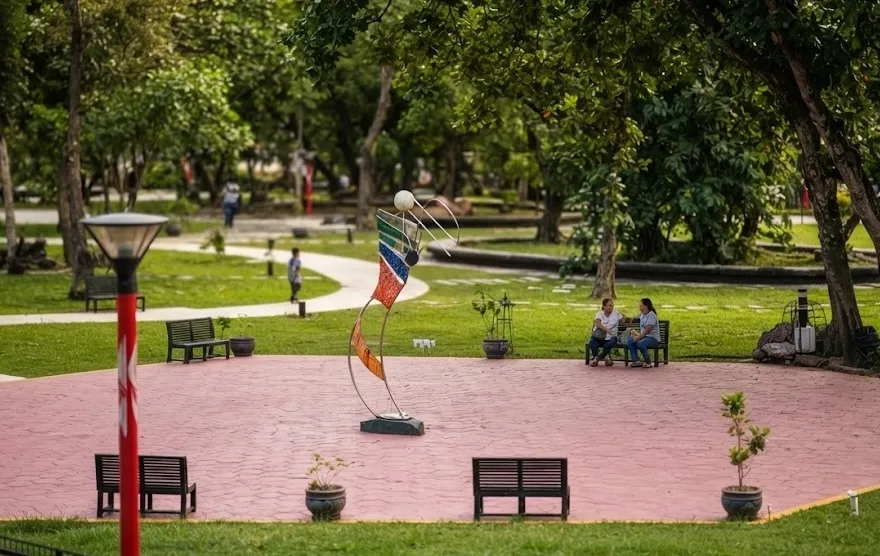
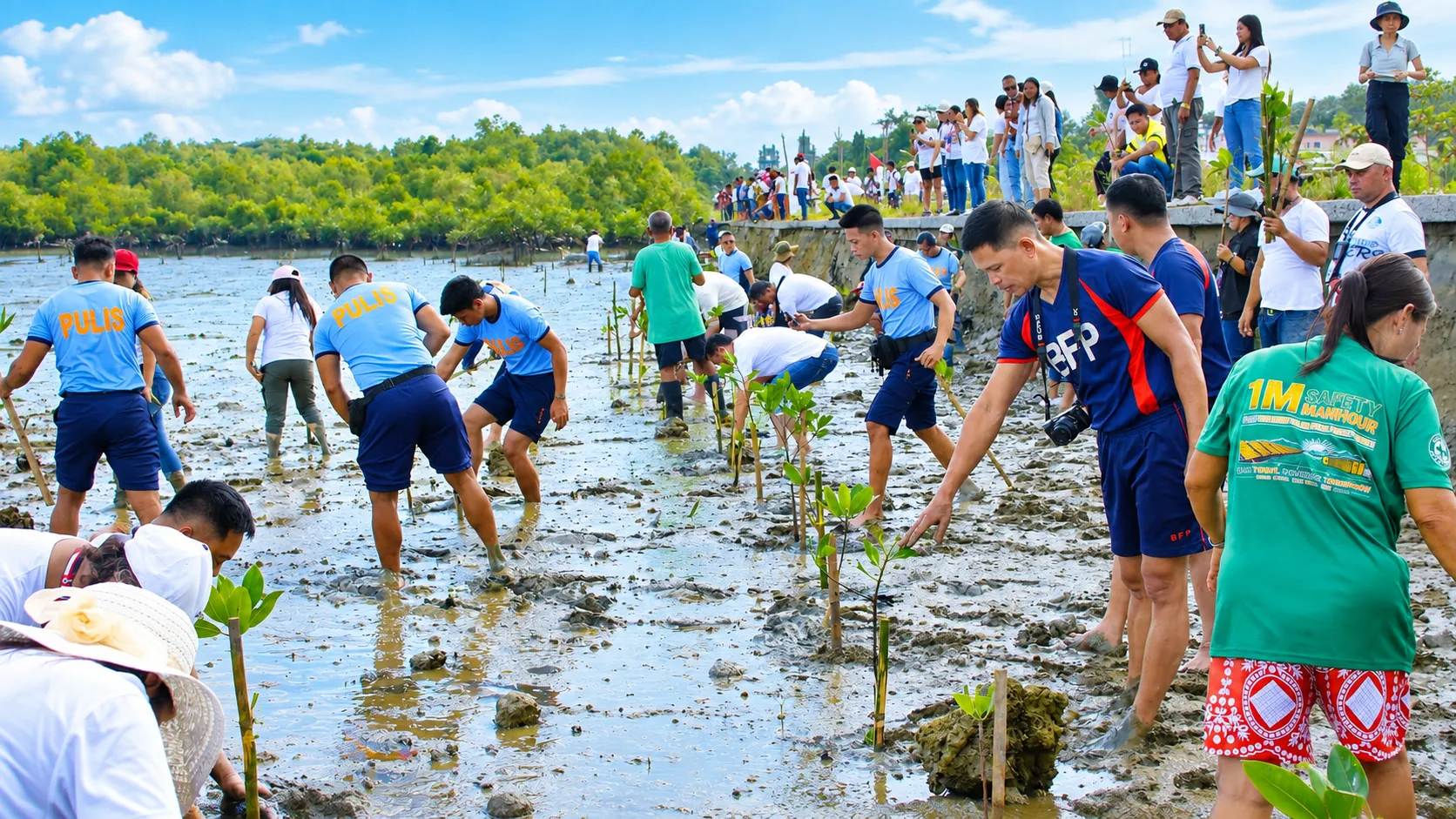
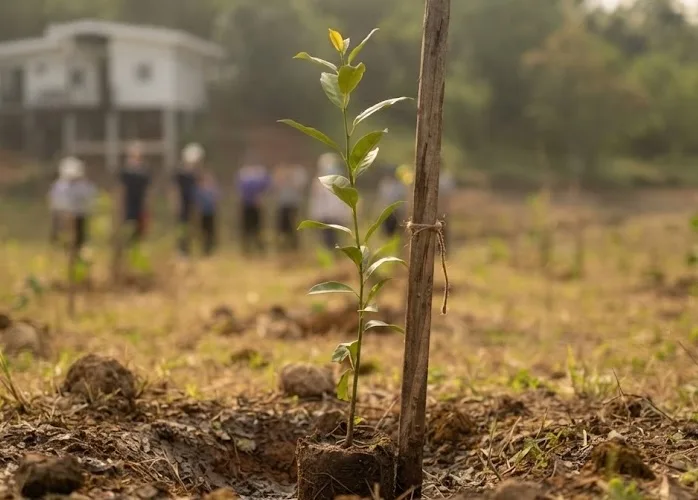
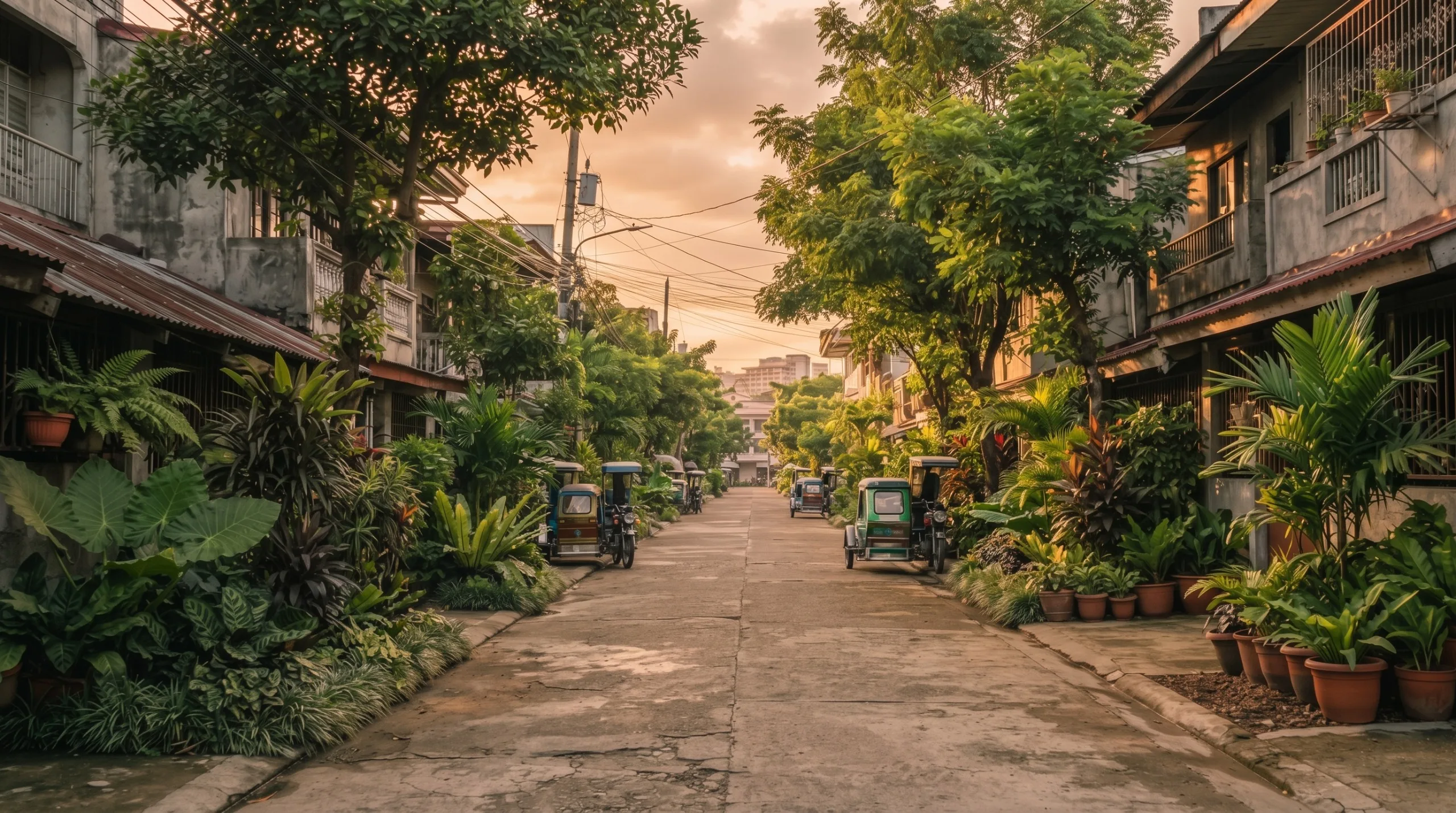
BOHOL - A climate-ready outdoor space does not always require expensive construction. Homeowners can begin by adding trees, shade-producing plants, ground cover, and garden areas that can help make outdoor spaces more comfortable while supporting the surrounding environment. In Bohol, climate resilience has become an important part of environmental planning, with provincial programs supporting tree growing, biodiversity conservation, and ecological restoration. Homeowners in Tagbilaran City, Dauis, Panglao, or other communities can apply the same general principle on a smaller scale by choosing plants suited to local conditions and placing them where they can provide shade without blocking drainage or creating hazards around structures.
Prepare the Yard for Both Wet and Dry Conditions
Outdoor areas also need to handle changing water conditions. During heavy rain, properly positioned drains, permeable surfaces, planted areas, and clear pathways for runoff can help prevent water from collecting around the home. During hotter and drier periods, homeowners can reduce unnecessary water use through container gardening, drought-tolerant plants, rainwater collection where appropriate, and efficient watering schedules. Bohol's 2026 El Niño preparedness efforts have specifically highlighted water conservation and backyard gardening, including container gardening, as practical household measures. This makes the outdoor area more than a decorative part of the property—it can become a small space that supports household resilience.
Think About the Outdoor Space as Part of the Home's Long-Term Design
Climate readiness is ultimately about planning for the conditions a property may experience over time rather than reacting only after extreme weather occurs. Homeowners can regularly inspect trees for weak branches, keep drainage routes clear, protect outdoor furniture and equipment, and consider whether hard surfaces, fences, gardens, and other features allow water to move safely through the property. The national Climate Change Commission has also emphasized integrating climate resilience and disaster-risk considerations into housing, neighborhoods, drainage networks, and public spaces. For homeowners in Bohol, this approach can mean creating outdoor areas that remain useful during ordinary days while being better prepared for periods of intense rain, heat, or water stress.