Safe Water Starts With Responsible Habits
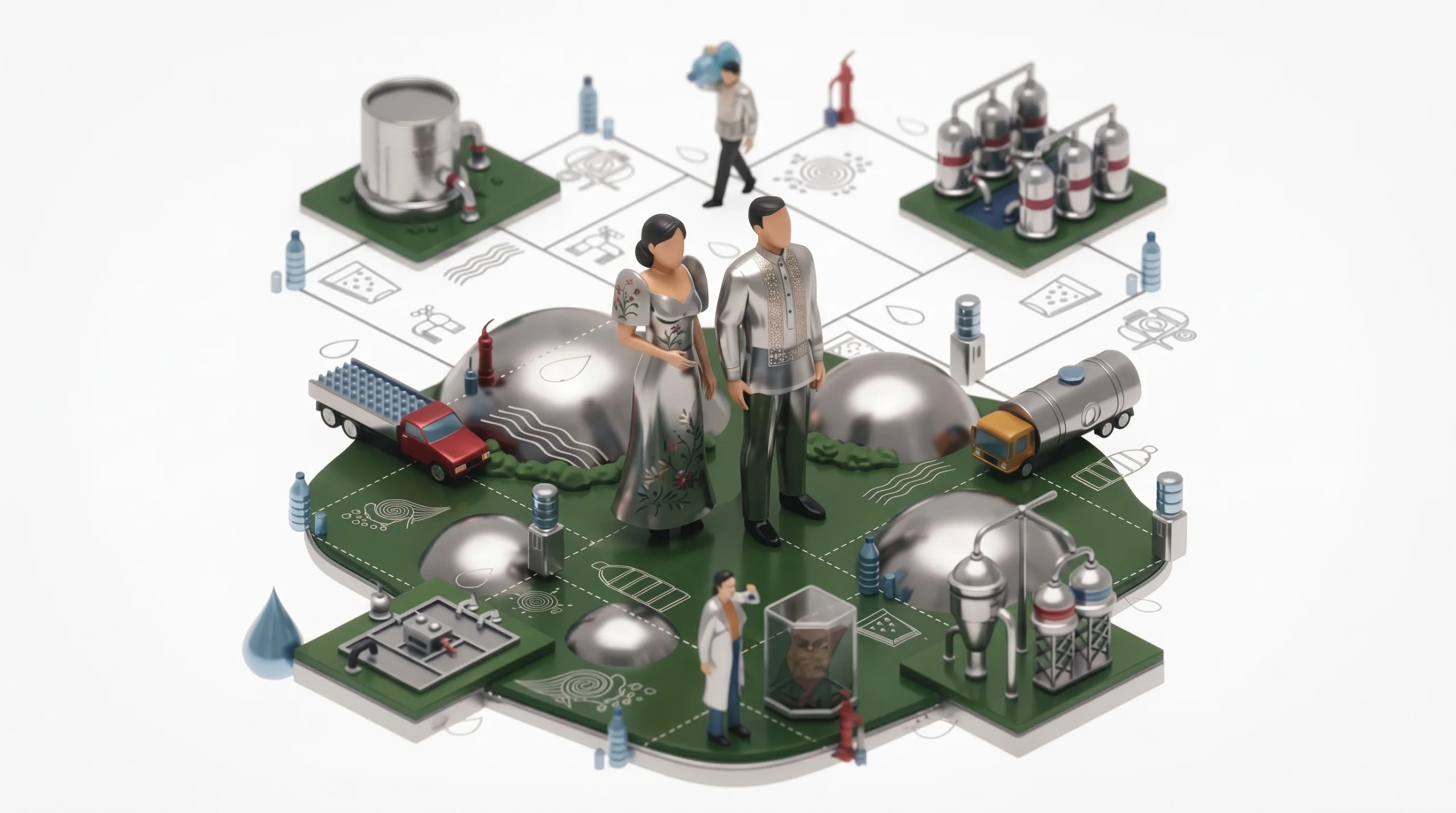
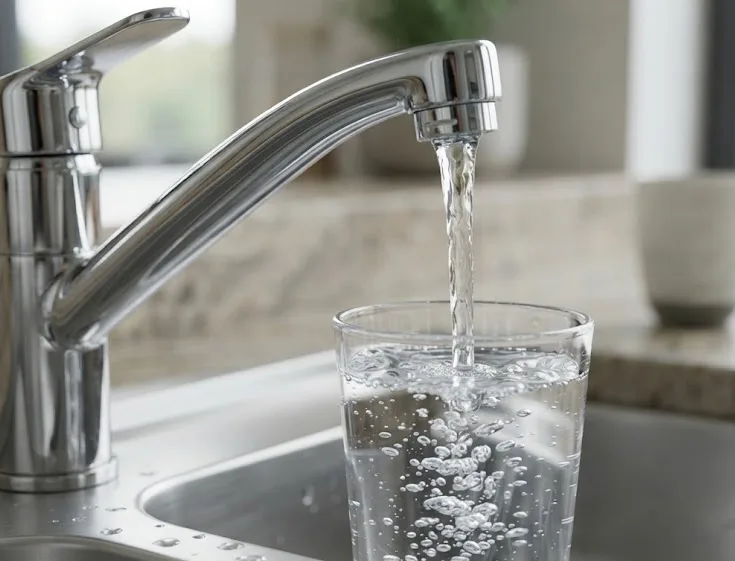
GENERAL SANTOS CITY - A clear glass of water may look perfectly clean, but responsible consumption begins with knowing how that water is handled before it reaches the household. The public reminder shared for General Santos City encourages residents to look for registered water refilling stations with the appropriate Department of Health permit, clean facilities, proper storage practices, and regular water-quality testing. This approach turns an everyday purchase into a small environmental-health decision, because good sanitation reduces opportunities for contamination and reinforces careful handling of a resource people depend on. Rather than creating worry, the message gives families a practical checklist they can use when choosing where to refill their containers.
Water Quality Is Part of Environmental Care
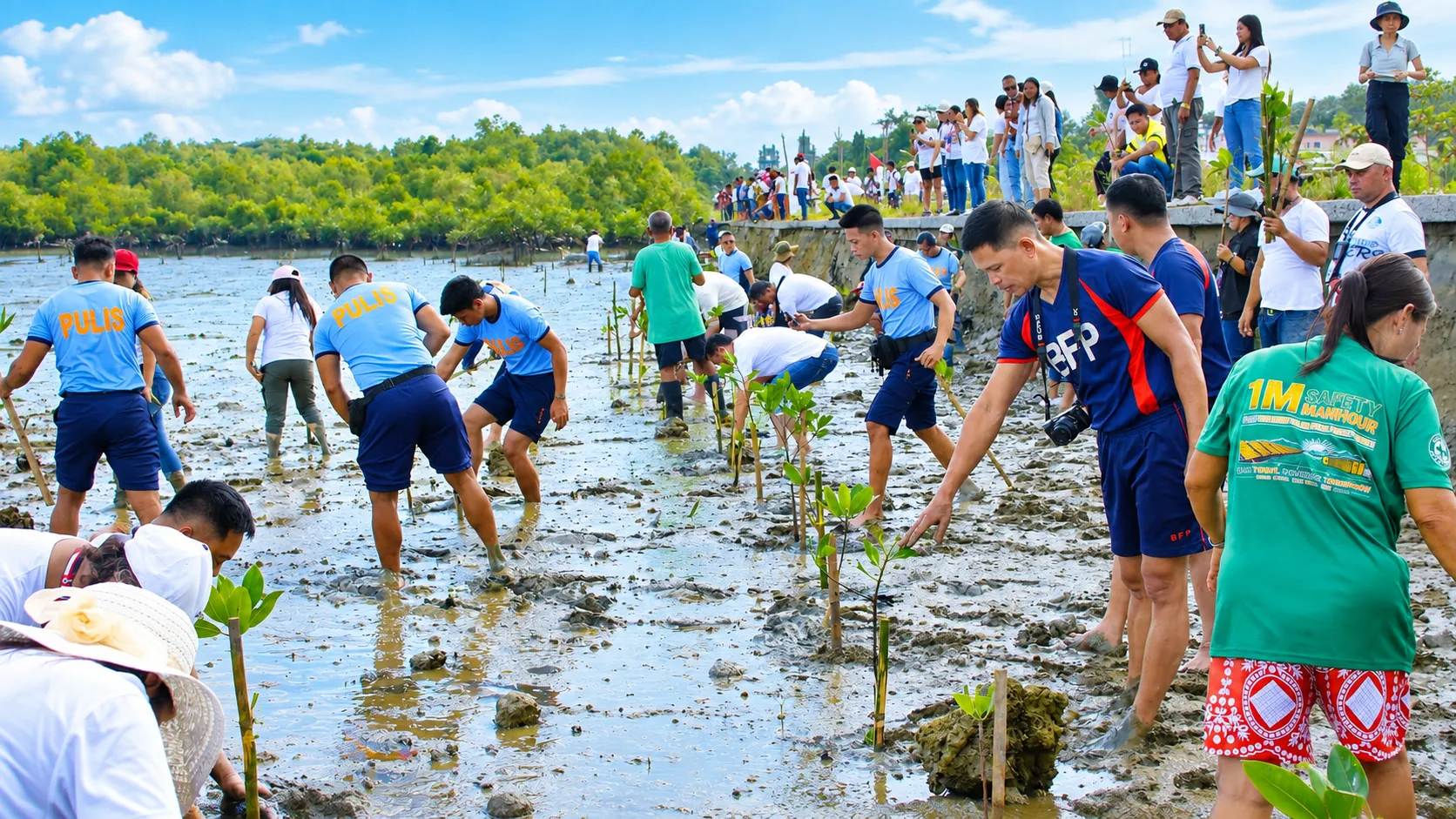
General Santos City’s connection to wider water-quality efforts makes the conversation bigger than what happens inside a refilling station. In February 2026, the Environmental Management Bureau Region XII held a Tri-Water Quality Management Area Action Plan Workshop in General Santos City involving the Lake Sebu, Silway River, and Sarangani Bay WQMAs, with discussions focused on water-quality conditions, pollution concerns, and shared responsibility for protecting water resources. These efforts highlight why communities benefit when residents pay attention not only to the water they drink but also to the condition of rivers, waterways, and coastal areas around them. Protecting water quality begins with understanding that clean water is a shared resource.
A Simple Choice With a Wider Ripple
For households, the environmental side of drinking-water safety can begin with remarkably ordinary actions: choosing a properly monitored source, keeping reusable containers clean, storing water correctly, and avoiding careless disposal of waste. These habits fit naturally with the broader sanitation work being strengthened in General Santos City and the region, including a May 2026 DOH-CHD SOCCSKSARGEN workshop that emphasized sustainable sanitation planning, community participation, and long-term protection of safe sanitation and clean-water access. When residents become more conscious of where their drinking water comes from and how it is handled, water safety becomes part of a larger culture of environmental responsibility—one refill, container, and household decision at a time.