Bringing Rain Where It Matters Most
BOHOL - The first cloud-seeding flights were conducted in October, with operations prioritizing major dams and agricultural areas that rely heavily on irrigation. The provincial government allocated PHP5 million from its calamity fund for about 31 hours of cloud-seeding flights, while additional support is expected from the Department of Agriculture through the Bureau of Soils and Water Management. The goal is to maximize available water resources and provide relief where farms need it most.
Preparation Meets Technology
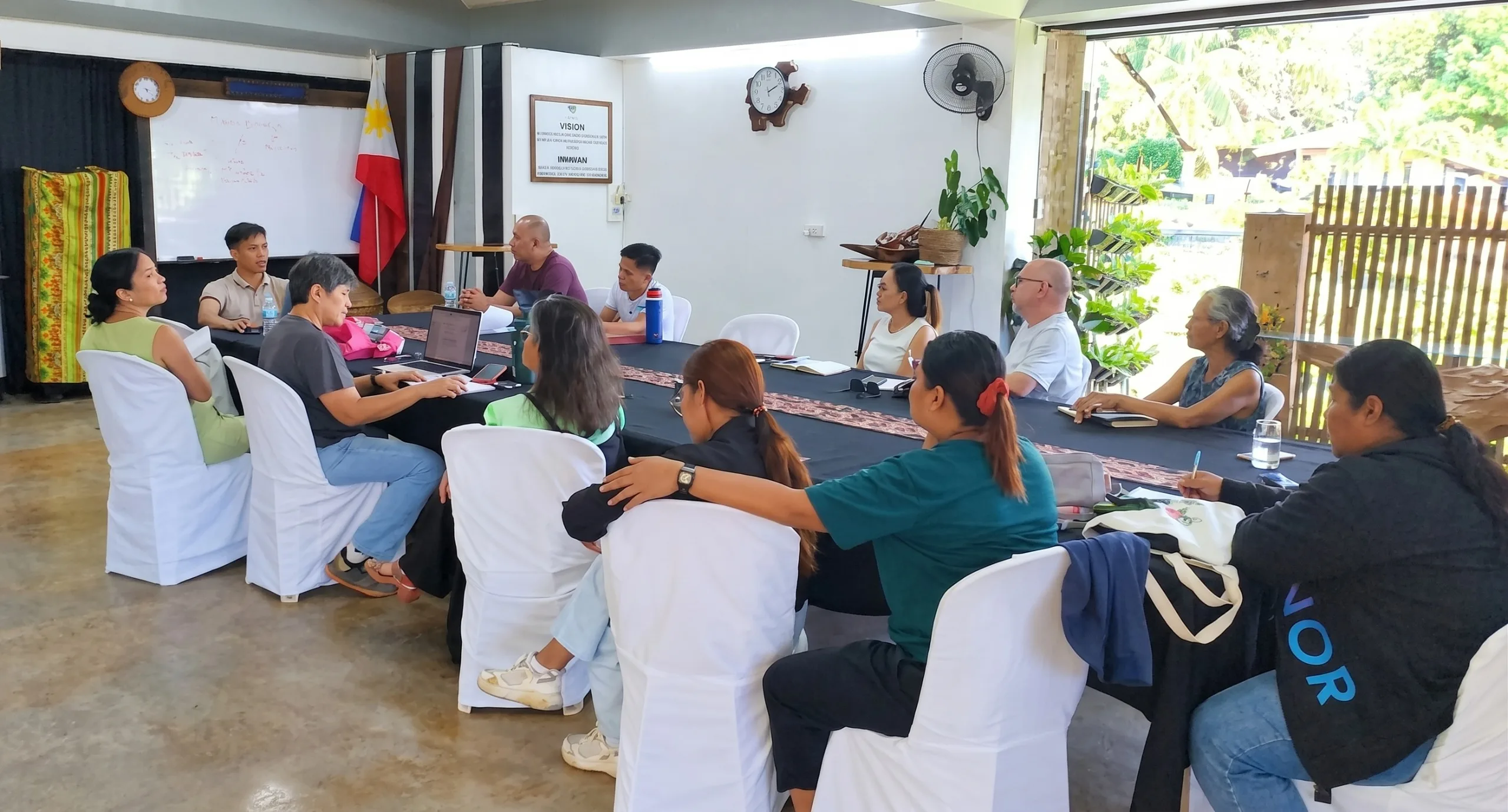
Cloud seeding is only one part of the province’s response. Before the operations began, around 60 local technicians were trained in cloud spotting and rain monitoring, helping strengthen the province’s ability to assess weather conditions and support the flights. Succeeding operations will depend on favorable cloud conditions and recommendations from the technical working group based on actual weather monitoring. This combination of technology, trained local personnel, and careful weather assessment shows how preparation can give farmers another layer of support during prolonged dry conditions.
Keeping Bohol’s Farms Moving Forward
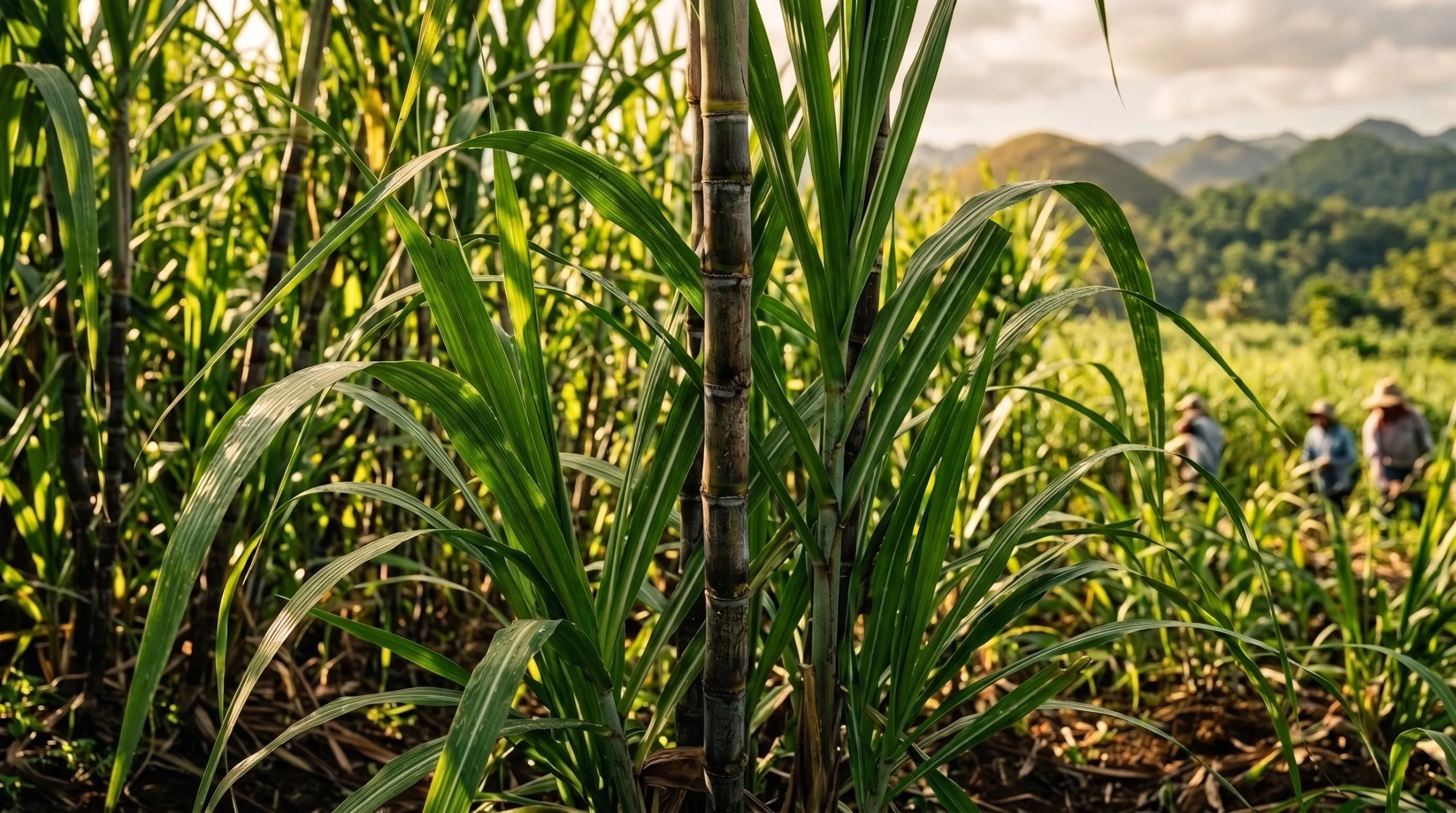
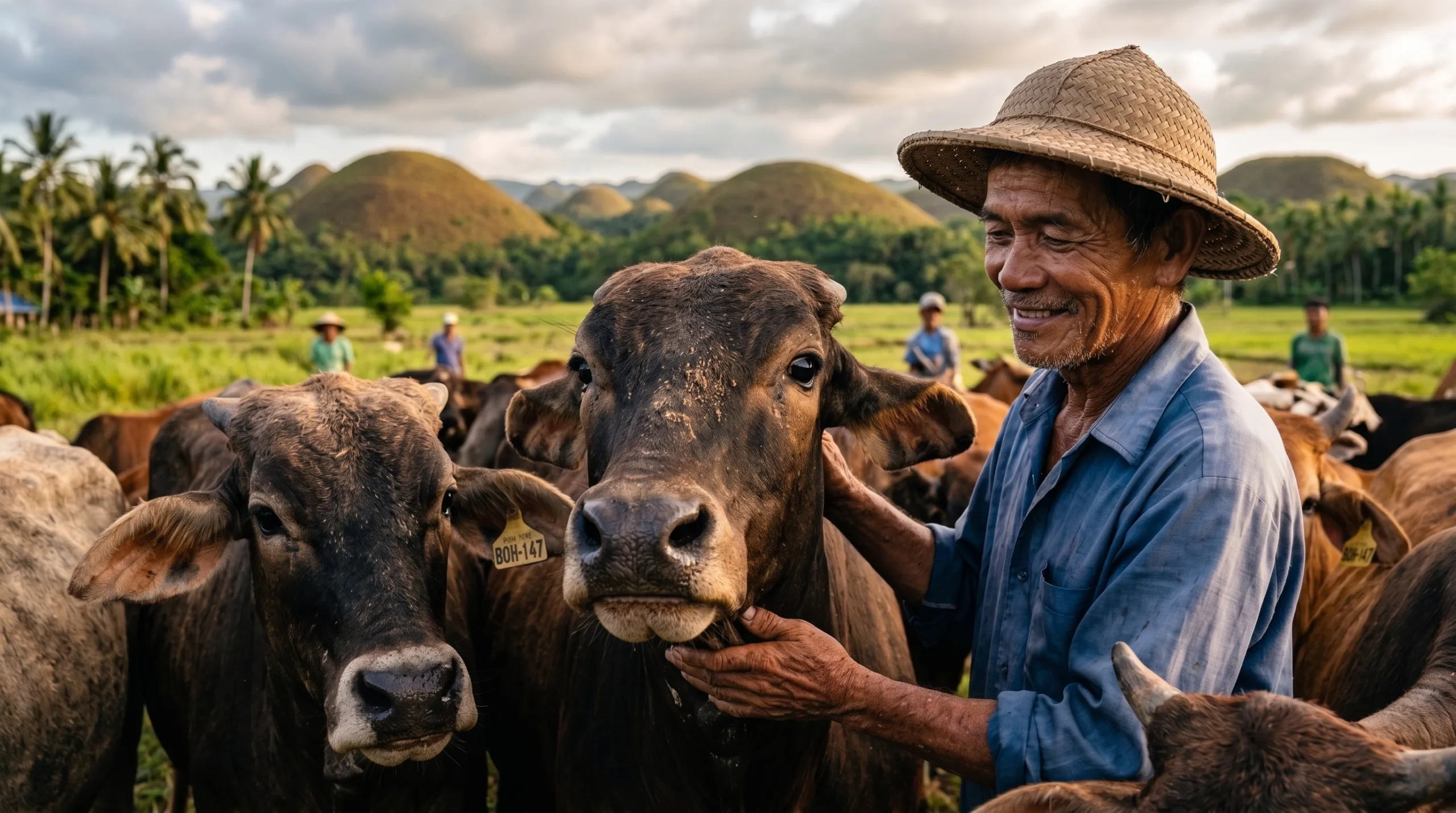
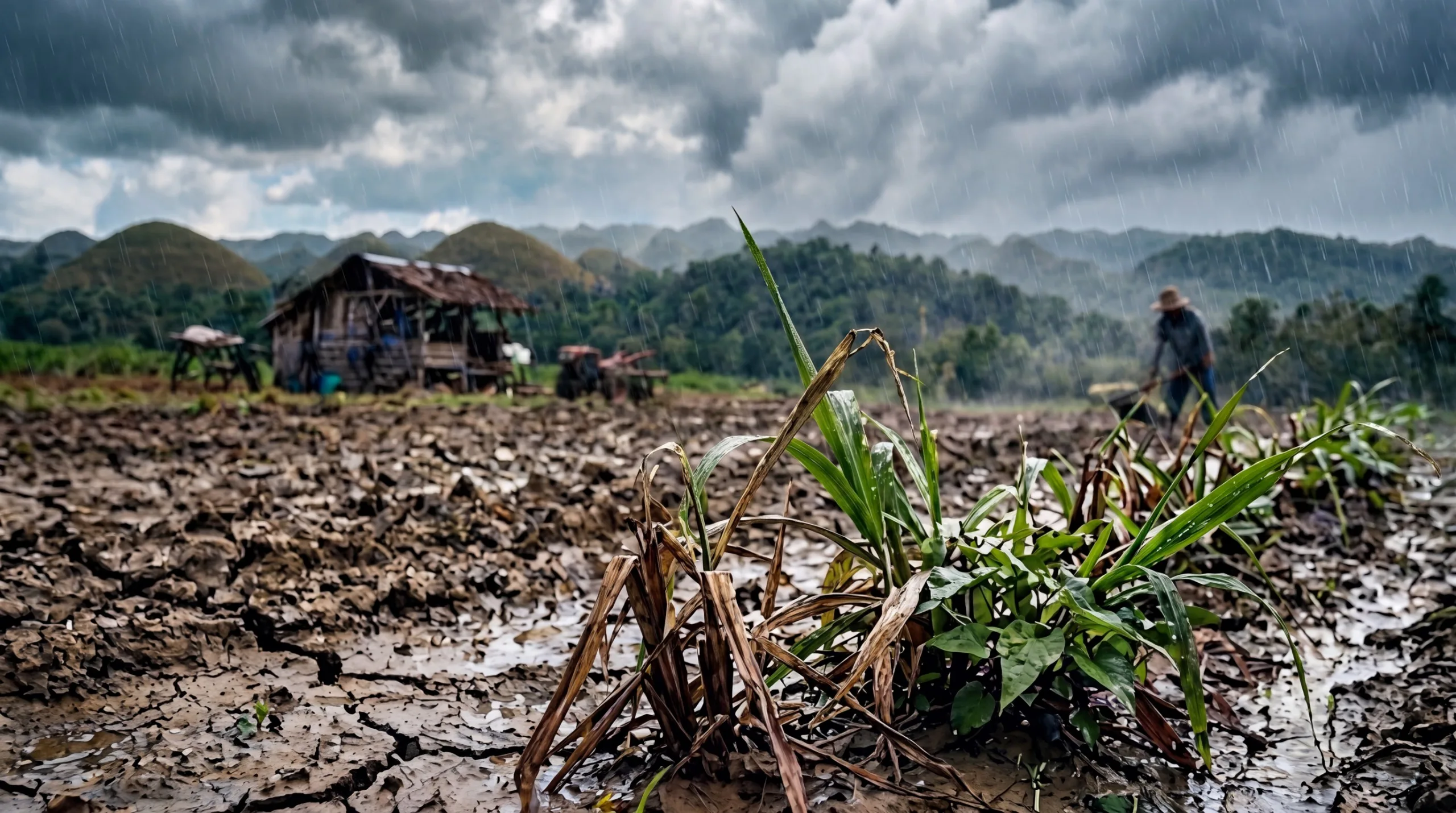
The need for action is significant, with initial reports placing agricultural damage at PHP291.96 million across 29 local government units as of October 15, affecting more than 10,800 farmers. Rice accounted for the largest share of reported losses. While cloud seeding cannot solve every challenge brought by El Niño, it represents another tool in Bohol’s growing agricultural response. By acting early, monitoring conditions, and bringing together agriculture and disaster-response partners, the province is working to protect livelihoods, strengthen food security, and help Bohol’s farms move toward recovery and resilience.