BOHOL — The city government, in partnership with the Bangko Sentral ng Pilipinas, opened a one‑day account onboarding activity on July 7, 2026, to move wet‑market vendors and tricycle drivers onto digital payment platforms. The initiative transforms how small‑scale merchants participate in Bohol’s expanding tourism‑driven economy.
A Smart City Push into Financial Inclusion
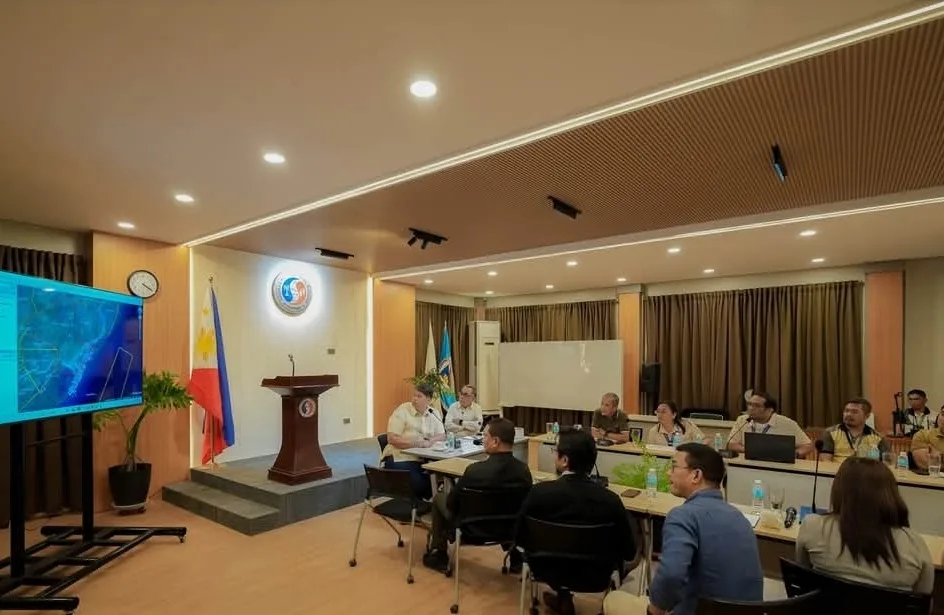
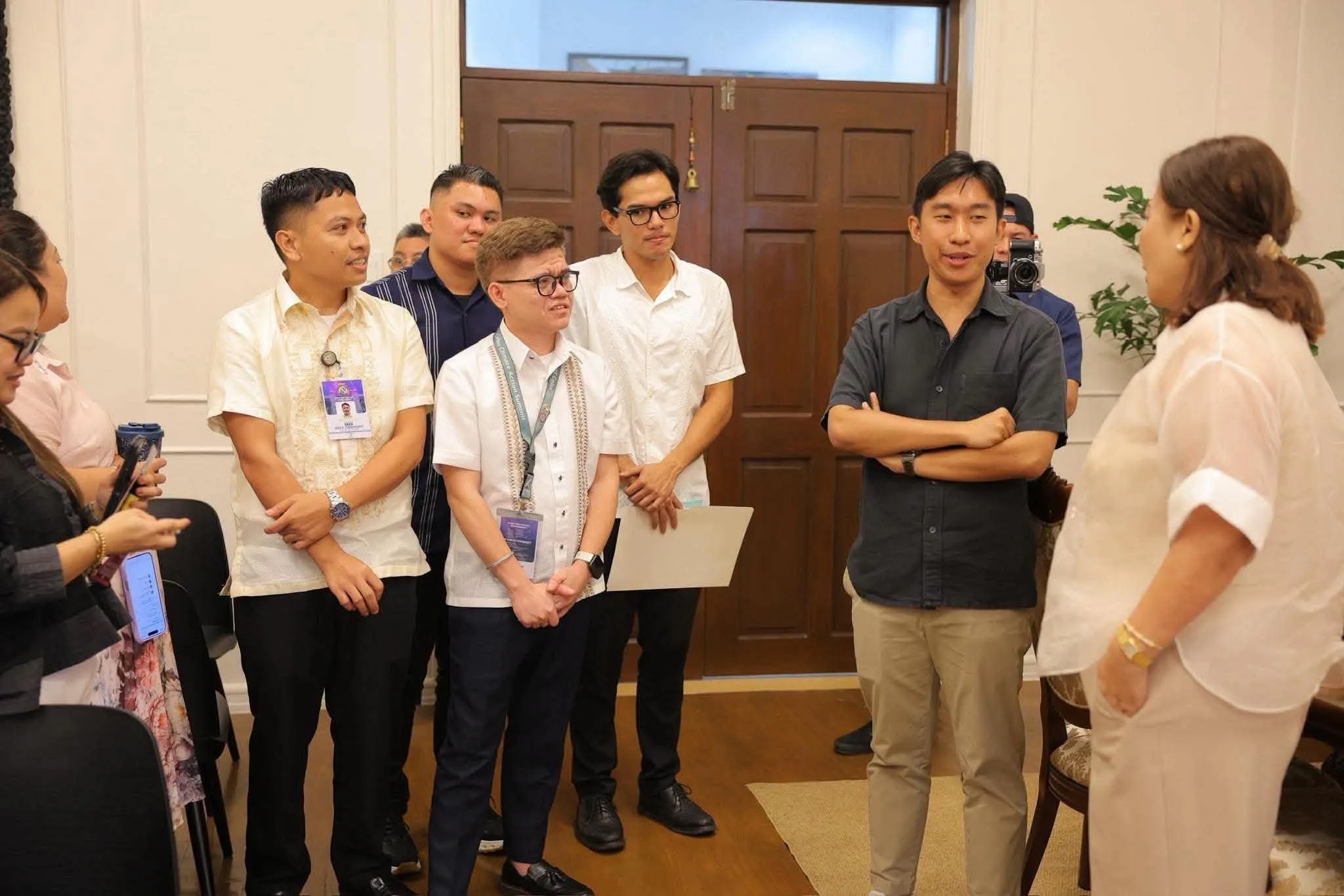
The Tagbilaran City Hall Atrium turned into a financial services hub from 8:30 a.m. to 5:00 p.m. Ten banks and e‑money providers set up dedicated booths where residents could open accounts, verify their identity, and generate QR codes in a single visit. The streamlined process removed the usual paperwork hurdles that keep informal workers unbanked.
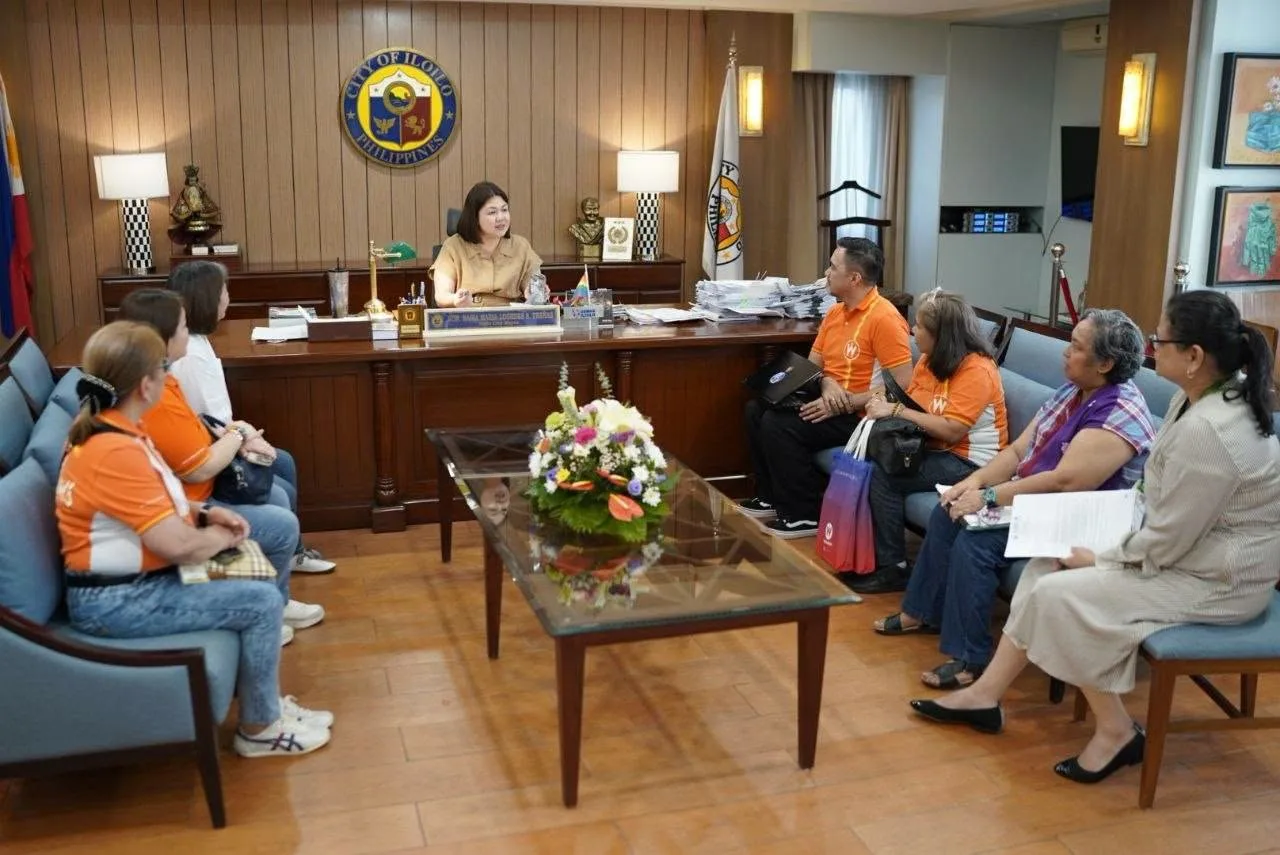
Mayor and BSP officials viewed the event as a direct implementation of the national Paleng‑QR Ph Plus program. By bringing regulated financial institutions straight to the city’s economic backbone, the local government made digital readiness a concrete, walk‑in experience rather than an abstract policy goal.
Vendors and Drivers Become Digital Merchants
Market vendors selling fresh produce and tricycle drivers ferrying passengers around the city were the primary targets. With a valid government‑issued ID or even a barangay certificate, they could open a basic deposit account for an initial deposit of ₱100 or less. The low barrier to entry was designed specifically for those with irregular income.
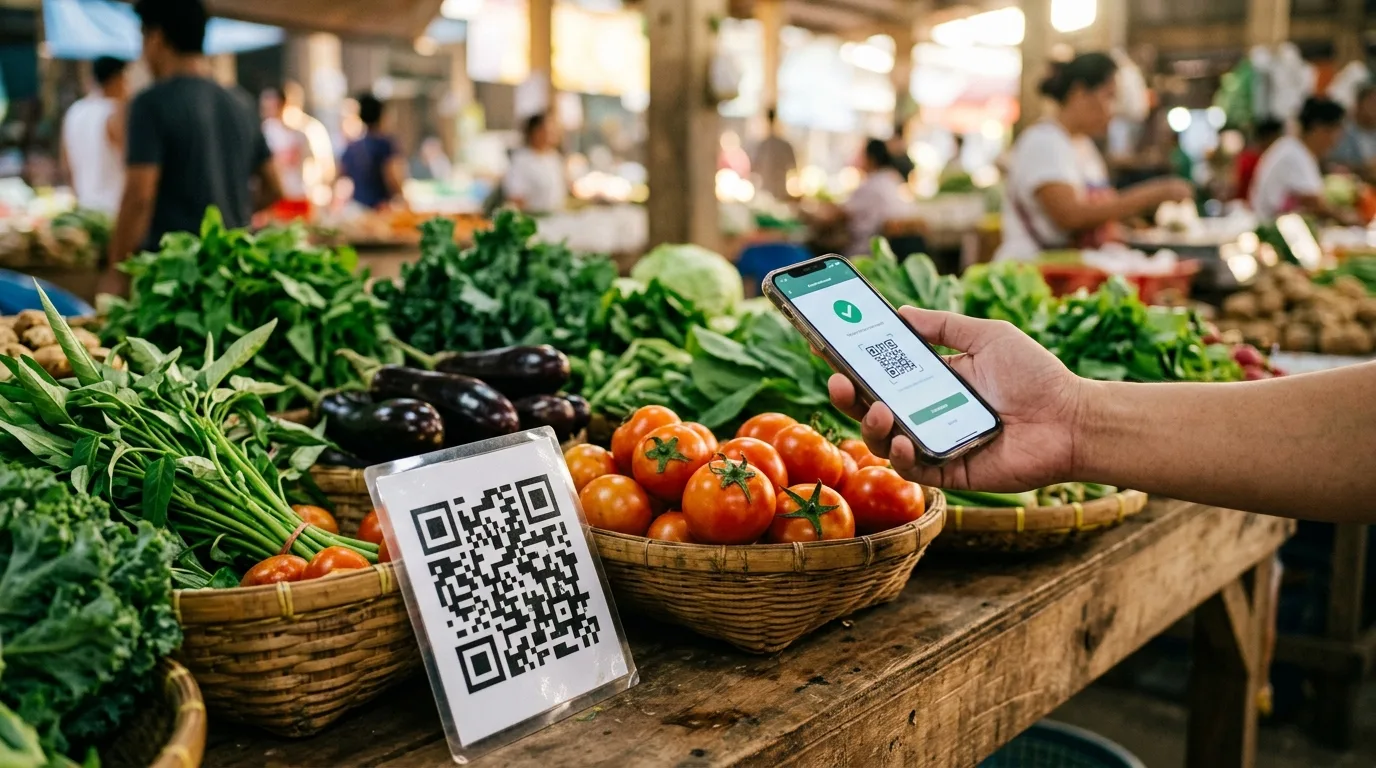
Many participants left the atrium holding a printed QR Ph placard to display at their stalls or on their vehicles. The placard instantly enables them to receive payments from any digital wallet, eliminating the need to handle loose change or worry about counterfeit bills during busy market hours.
QR Ph Codes Unlock Seamless Transactions
The event featured the interoperable QR Ph standard, which allows a customer using GCash to pay a vendor using Maya, or a tourist to pay via a bank app. This removes the fragmentation that previously made cashless payments inconvenient. Vendors do not need multiple accounts to serve different customers.
BSP representatives explained that a unified system also generates a digital transaction history, which can later serve as proof of income for loan applications and credit assessments. For micro‑entrepreneurs who have never had a bank record, this represents a significant step toward financial visibility and economic mobility.
Banks and E‑Wallets Set Up Shop at City Hall
Ten institutions participated, ranging from commercial giants BDO, BPI, and Metrobank to thrift banks like City Savings Bank and rural lenders like Queen Bank. Maya Philippines represented the digital‑first segment. Having multiple providers in one location allowed participants to compare options and choose the account that best matched their daily needs.
Bank staff guided each applicant through the account opening app, verified documents in real time, and activated mobile banking on the spot. For many older vendors, this hands‑on assistance was crucial in overcoming hesitancy about digital finance. The atrium buzzed with conversations in Bisaya as tellers patiently explained each step.
Overcoming the Cash Dependency
City officials noted that the wet market and tricycle sectors remain two of the last cash‑strongholds in the local economy. Tourists and younger residents increasingly expect contactless payment options, yet many small merchants have been slow to adopt them. The onboarding event directly confronted that gap.
By making digital payment setup a free, assisted service, the city lowered the psychological and technical barriers to entry. A vendor who accepts QR payments can serve customers who have no physical cash on hand, capturing sales that would otherwise be lost. The shift also reduces the risk of theft and the daily inconvenience of finding exact change.
Building a Tourism‑Ready Digital Economy
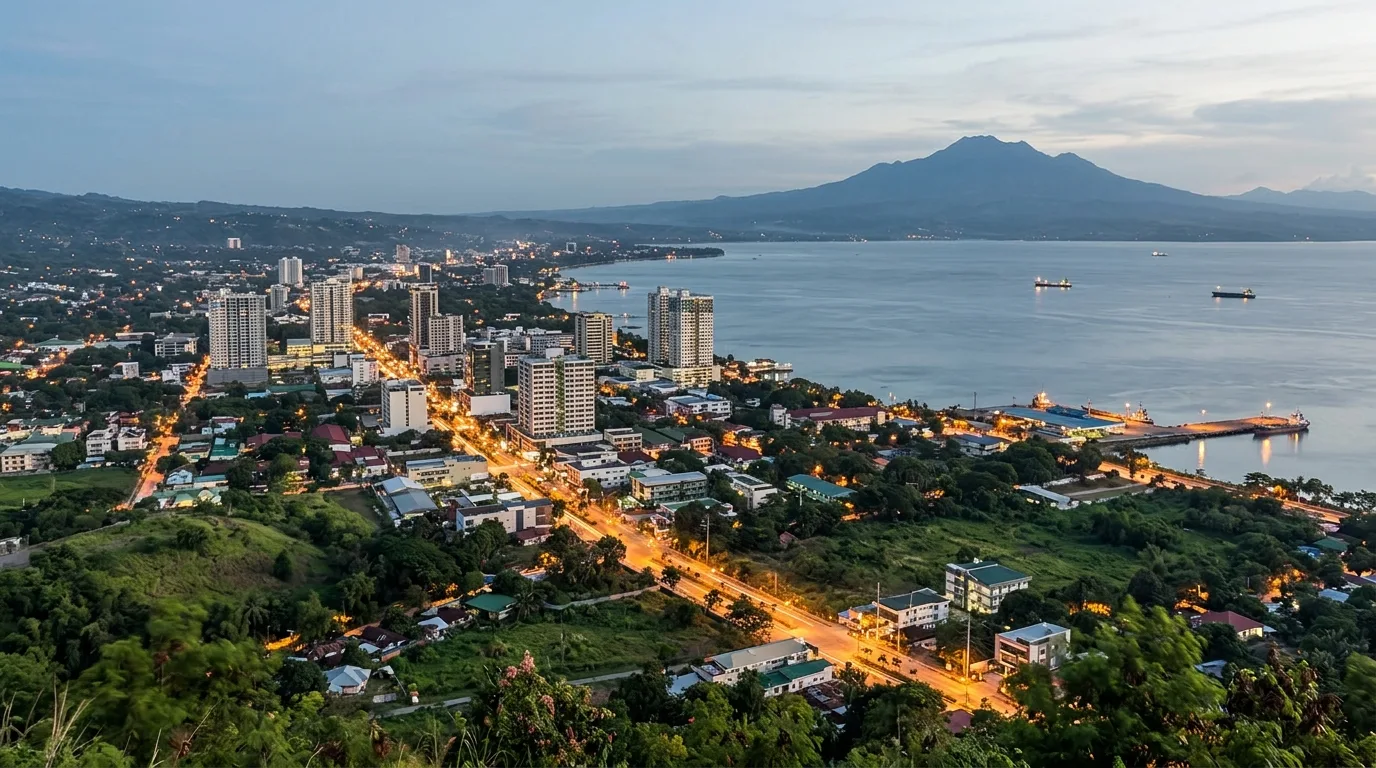
Bohol’s status as a UNESCO Global Geopark and a premier tourism destination means that seamless spending is a competitive advantage. A foreign visitor who can pay for a bunch of bananas at the public market with a smartphone is more likely to explore local commerce. The onboarding activity positions Tagbilaran as a smart‑city gateway for the entire province.
The City Government indicated that follow‑up sessions will target additional barangays to ensure no merchant is left behind. The July 7 activation is being treated as a model for rolling out cashless infrastructure across other municipalities, reinforcing Bohol’s image as a forward‑looking, inclusive, and visitor‑friendly destination.