More Than a Gateway for Ships
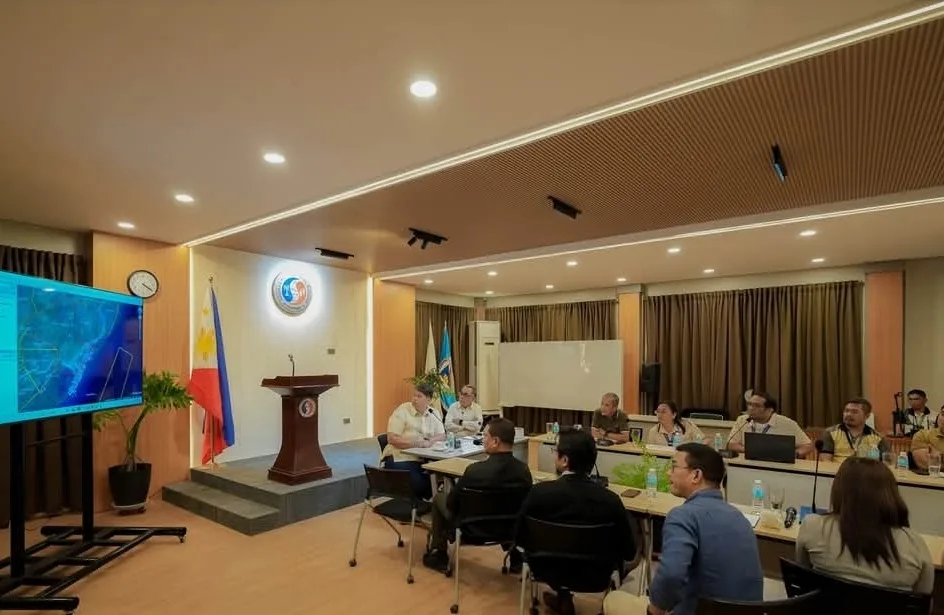
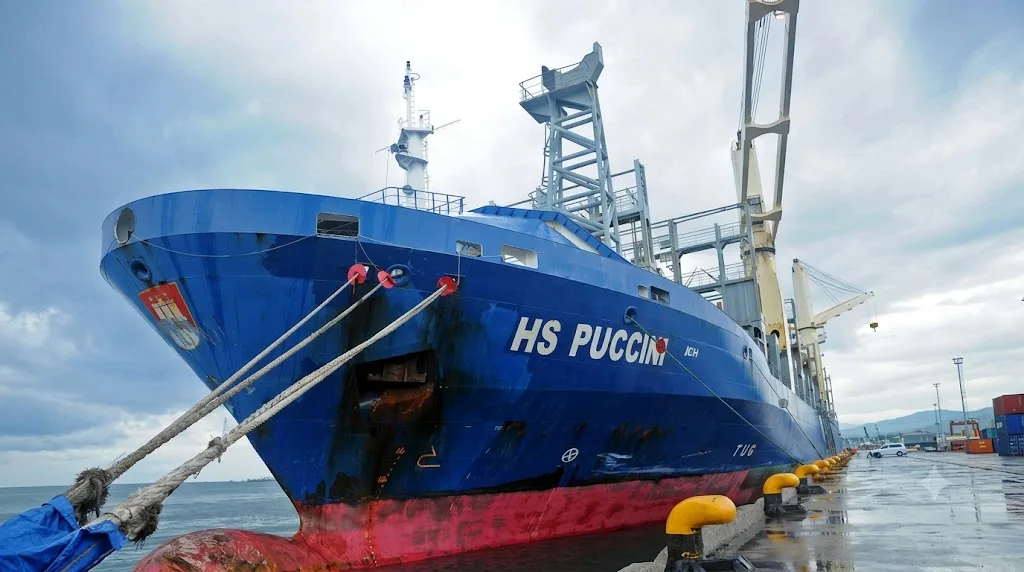
GENERAL SANTOS CITY - The Port of General Santos plays a much larger role than serving arriving vessels. It connects manufacturers, exporters, importers, and travelers with destinations across the Philippines, making uninterrupted operations an essential part of regional commerce. After authorities temporarily suspended activities following the earthquake, engineers conducted inspections to verify the condition of port facilities. Once the assessments confirmed that no structural damage affected operations, normal activities resumed. The careful balance between safety inspections and timely reopening illustrated how critical infrastructure can continue serving communities while prioritizing public safety during unexpected events.
Why Recovery Time Matters in Logistics
Every hour of disruption within a transport network can affect businesses waiting for raw materials, retailers expecting deliveries, and exporters preparing shipments. The relatively quick restoration of operations at the Port of General Santos helped reduce prolonged interruptions that could have affected supply chains throughout Mindanao. Ports function as links between producers and markets, meaning operational continuity benefits multiple industries simultaneously. Efficient recovery also reflects the importance of established emergency procedures that allow authorities to evaluate facilities thoroughly before safely restoring cargo handling and passenger services without unnecessary delays.
Infrastructure That Supports Everyday Life
Modern ports quietly influence daily life even when most residents never visit them. Goods sold in supermarkets, materials used by manufacturers, and products shipped to international markets frequently pass through maritime transport hubs. The reopening of General Santos Port following inspections reinforced confidence in infrastructure designed to support both commerce and community needs. While natural events cannot always be predicted, preparedness and systematic safety evaluations help ensure that transportation facilities continue operating responsibly. The experience demonstrates how resilient public infrastructure contributes not only to economic activity but also to the reliability of essential services throughout the region.