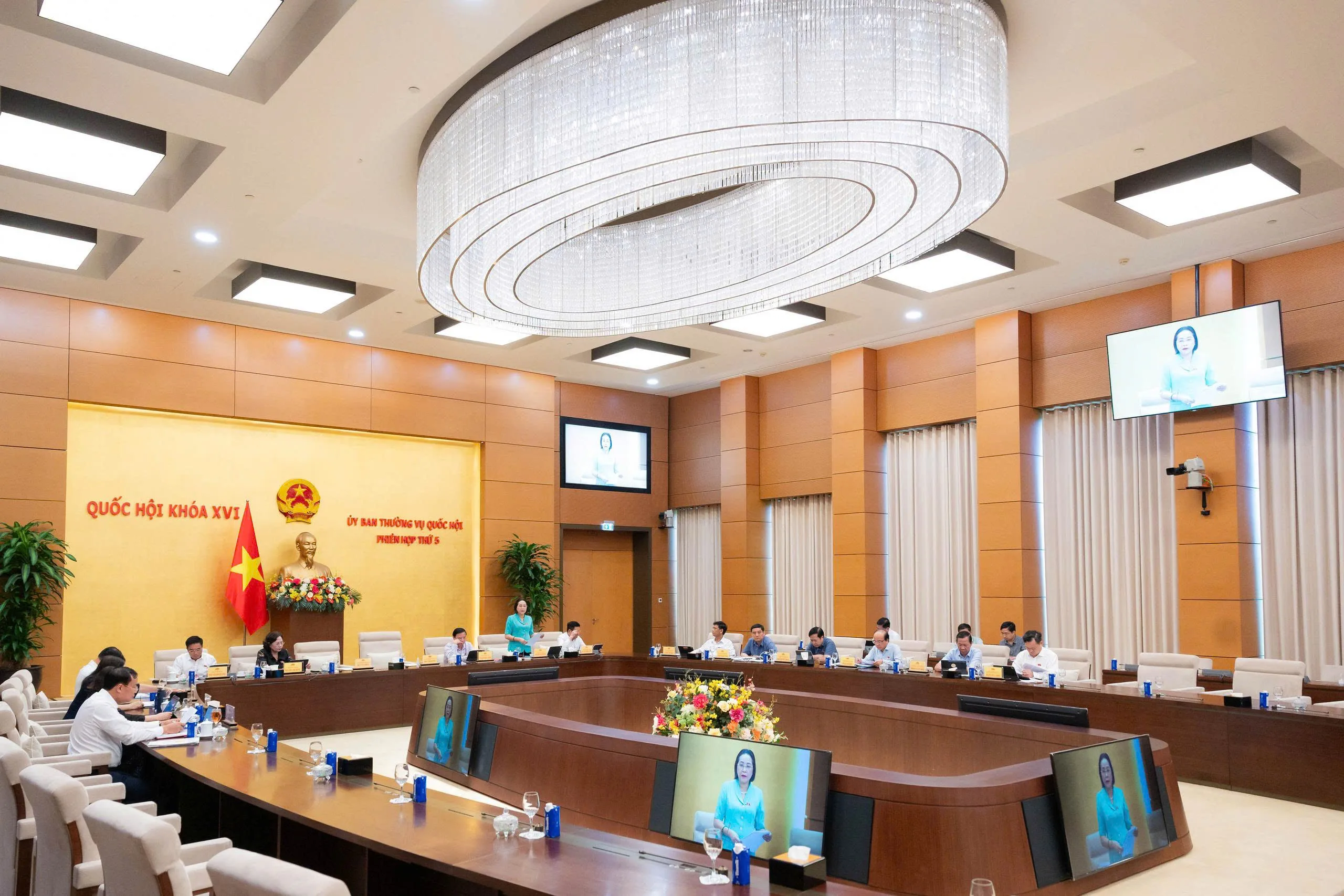
HANOI, Vietnam — The Standing Committee of Vietnam’s National Assembly is advancing significant amendments to the Law on Vietnamese Workers Going to Work Abroad Under Contract. The changes aim to strengthen protections for migrants and simplify deployment processes.
What This Means for OFWs
The reforms directly affect Filipino workers by altering the competitive landscape in key labor markets. Vietnam is aggressively streamlining its overseas employment system, cutting administrative red tape and business compliance costs by approximately 34 percent. This positions Vietnam as a more efficient labor-sending nation, intensifying competition for OFWs in destinations like Japan, South Korea, and the Middle East.
A Shift Toward Skilled Workers
The amendments prioritize sending trained workers with technical and vocational qualifications abroad. The previous language limiting deployments to "highly skilled" workers has been broadened to include a wider range of certified professionals. This move aims to prevent brain drain while meeting host country demands for skilled labor.
The government will determine specific skill levels for different industries. This strategy elevates the overall quality of Vietnam's exported workforce. It pressures other sending countries, including the Philippines, to invest more in skills training to remain competitive.
Cracking Down on Illegal Fees
A major focus is controlling recruitment costs that have historically burdened workers. The law now authorizes government bodies to set maximum placement fees. All charges must be fully disclosed in labor contracts before signing.
This transparency protects workers from predatory agencies charging exorbitant fees, which previously reached up to 400 million VND. The measure restores trust in the recruitment system. It also sets a benchmark for other ASEAN nations to follow.
Stronger Support Systems Abroad
The revised law mandates that recruitment agencies maintain on-the-ground representatives in host nations. These representatives are responsible for protecting workers' rights and resolving disputes. This requirement aligns with international best practices for migrant welfare.
Agencies must also refund fees if they fail to deploy workers within the promised timeframe. This adds accountability to the deployment process. Workers now have clearer recourse against unscrupulous operators.
A More Competitive Global Labor Market
Vietnam's reforms signal a maturing approach to labor export. By prioritizing skills, curbing fees, and enhancing overseas support, the country is building a more sustainable model. This puts pressure on the Philippines' Department of Migrant Workers to continually improve services for OFWs.
The shift toward skilled deployment also means Filipino workers must upskill to compete. Countries receiving workers increasingly value specialized training over general labor. Both Vietnam and the Philippines are now racing to meet this demand.
The amendments are expected to be submitted to the full National Assembly for approval by August 22, 2026. Once passed, the new law will take immediate effect. The changes underscore Vietnam's commitment to protecting its workers while maximizing economic gains.