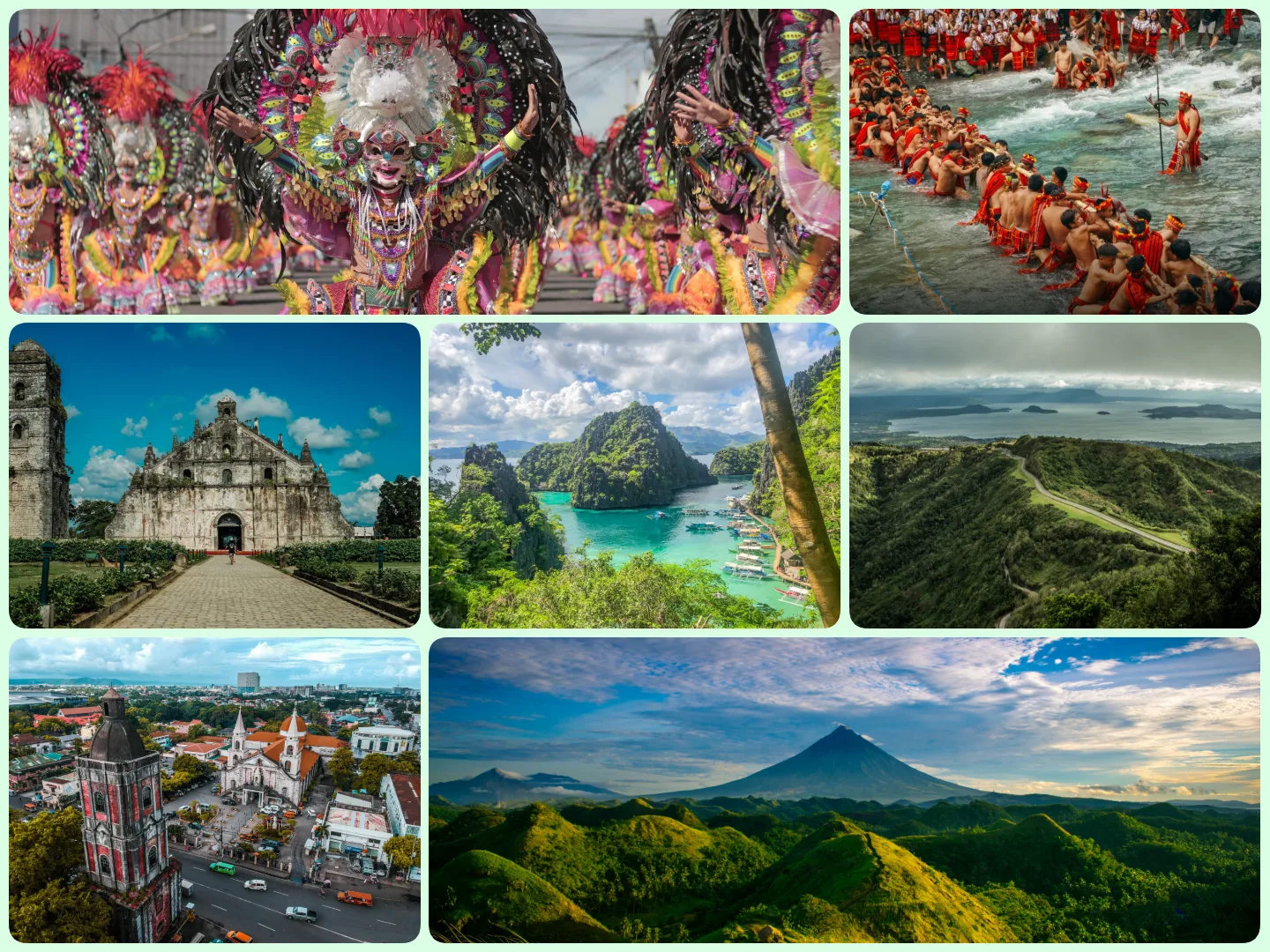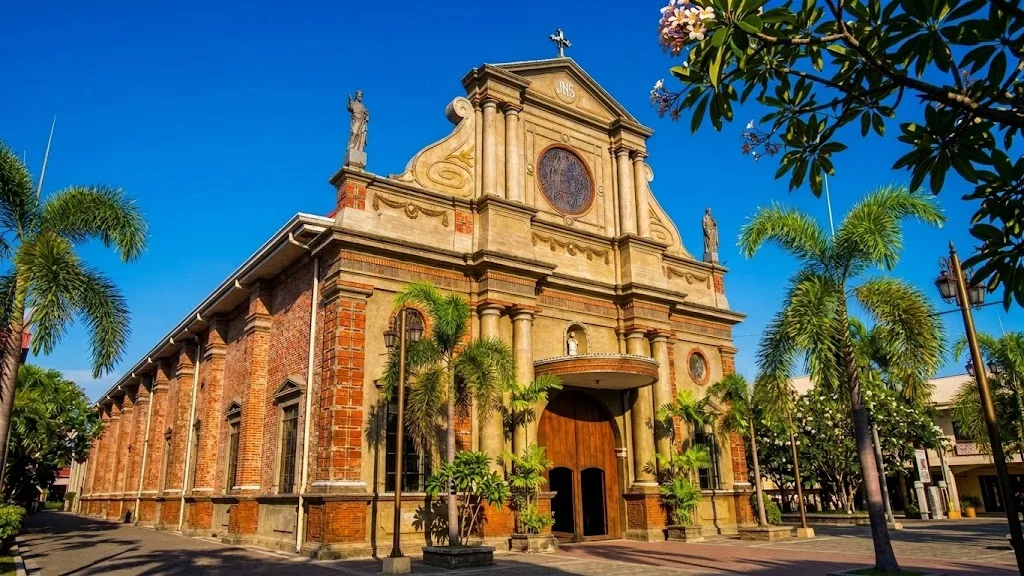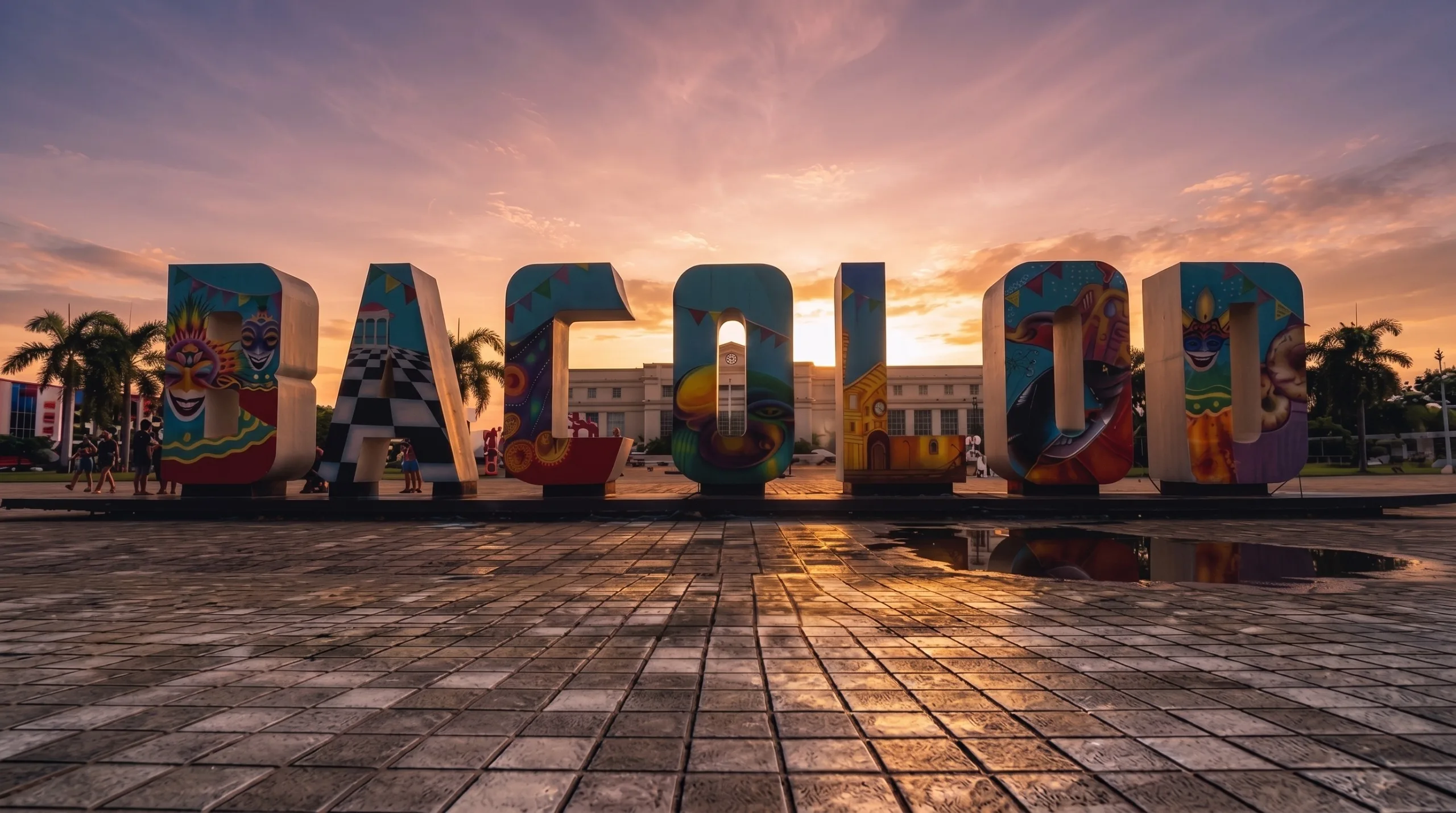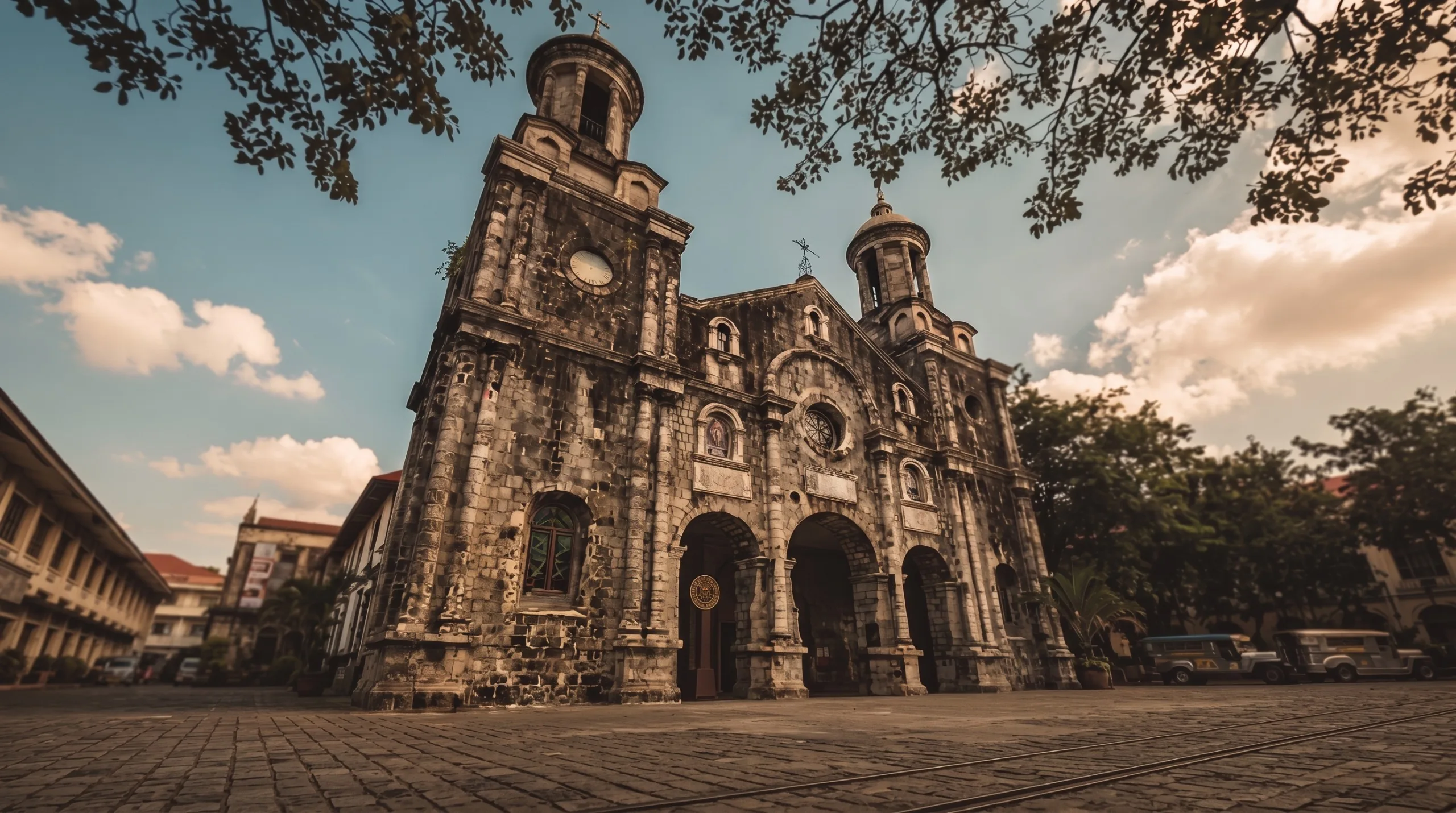
PHILIPPINES — The Philippines recorded 4.11 million foreign arrivals from January to August 2026, a 3.7 percent increase compared to the same period last year. The Department of Tourism announced the figures on Tuesday, signaling continued momentum in the country's tourism sector and its growing appeal to international travelers.
Top Source Markets Drive Growth
The United States remains the country's top source market with 818,318 arrivals. South Korea follows closely with 727,379, while Japan contributed 350,191 visitors. China and Australia round out the top five with 310,088 and 234,156 arrivals respectively.
Other significant markets include Canada with 231,972, Taiwan with 154,957, the United Kingdom with 132,370, Singapore with 126,812, and India with 77,883. These figures reflect a diverse international visitor base eager to explore Philippine destinations.
Ambitious Targets for 2026
Tourism Secretary Dita Angara-Mathay expressed confidence in surpassing 2025 arrival figures. The DOT is targeting between 6.4 million and 6.8 million visitors, with a stretch goal of at least 7 million by year-end. This would represent significant growth over the 6.4 million recorded in 2025.
To achieve these targets, the DOT is intensifying branding and promotional efforts. The agency is also negotiating with airlines to establish more chartered flights connecting the Philippines to secondary cities in Korea and China. These new routes will open doors for travelers from key markets.
Refreshing the Campaign Approach
Assistant Secretary Ren Sapitan clarified that the "Love the Philippines" slogan remains intact. However, the DOT is refreshing its campaign strategy to make it more vibrant and engaging. "We will make it more fun, more joyful," he said.
The agency is set to sign a contract with a creative agency in November. This partnership will broaden marketing efforts and increase the country's visibility worldwide. The goal is to capture the attention of diverse traveler segments and position the Philippines as a top-of-mind destination.
Job Creation and Local Business Growth
The rise in foreign arrivals directly benefits local communities. Increased visitor traffic supports employment across hospitality, transport, gastronomy, and retail sectors. These industries account for a significant share of national employment.
Foreign spending flows directly into local micro, small, and medium enterprises. From souvenir vendors in provincial towns to regional tour operators, the economic impact is widespread. Each arrival contributes to livelihoods and strengthens local economies.
Regional Infrastructure Development
The push to add chartered flights to secondary Philippine cities drives infrastructure growth outside Metro Manila. Airports in Cebu, Clark, and Davao stand to benefit from increased connectivity. This expansion brings economic opportunities to provincial rural areas that were previously underserved.
Better infrastructure attracts more tourists and businesses, creating a virtuous cycle of development. Communities across the archipelago gain access to new markets and resources. The tourism boom is becoming a powerful engine for inclusive growth.
Enhanced Travel Experience for OFWs
For overseas Filipino workers, the expanded flight routes offer significant benefits. Direct flights to regional airports allow returning OFWs to fly closer to their home provinces. This reduces travel stress and eliminates congested layovers in Manila.
A robust tourism economy also creates conditions for OFW families to invest remittances into small businesses. Accommodation, transport services, and food ventures become viable opportunities. Returning home becomes faster, easier, and more economically promising.