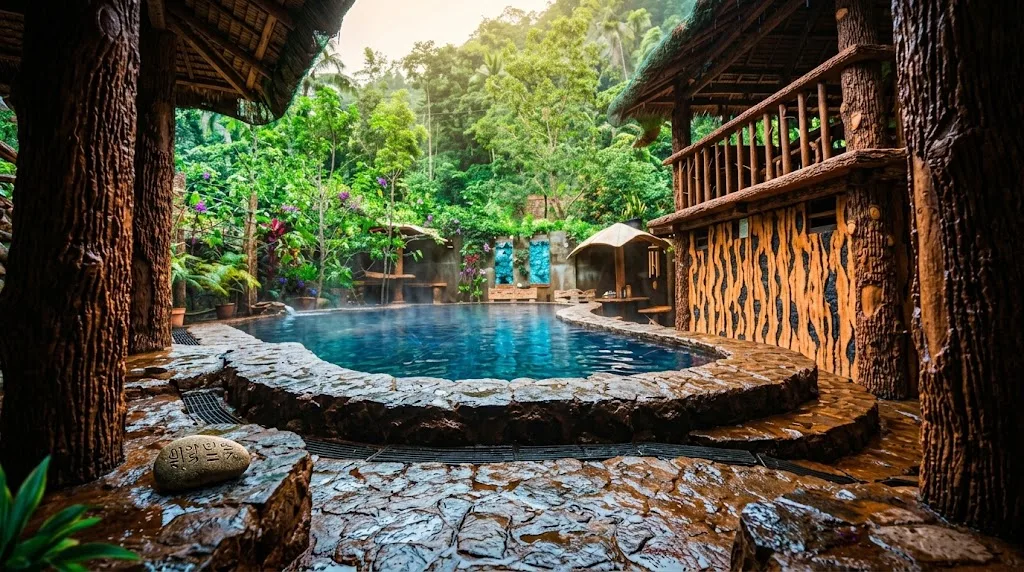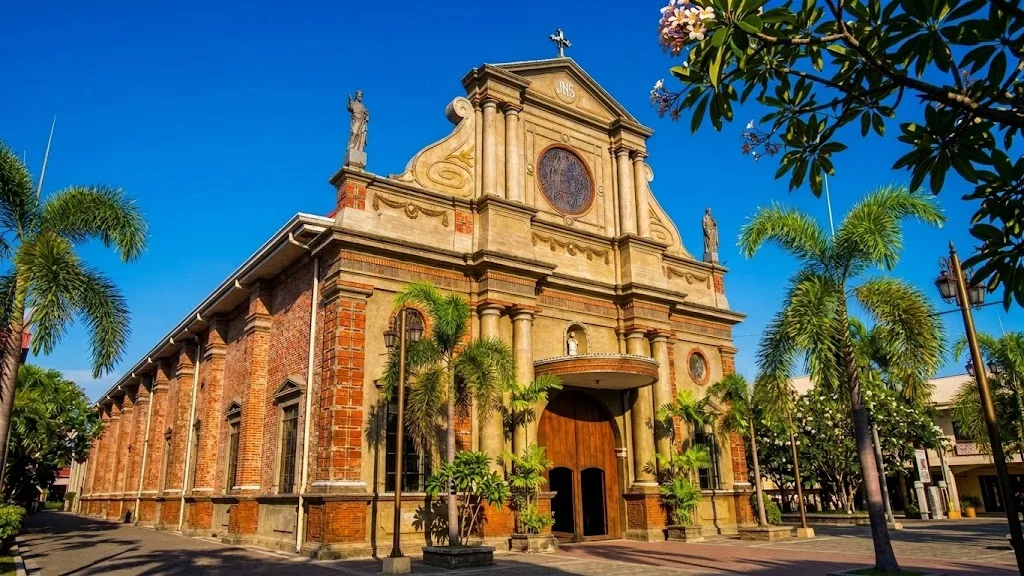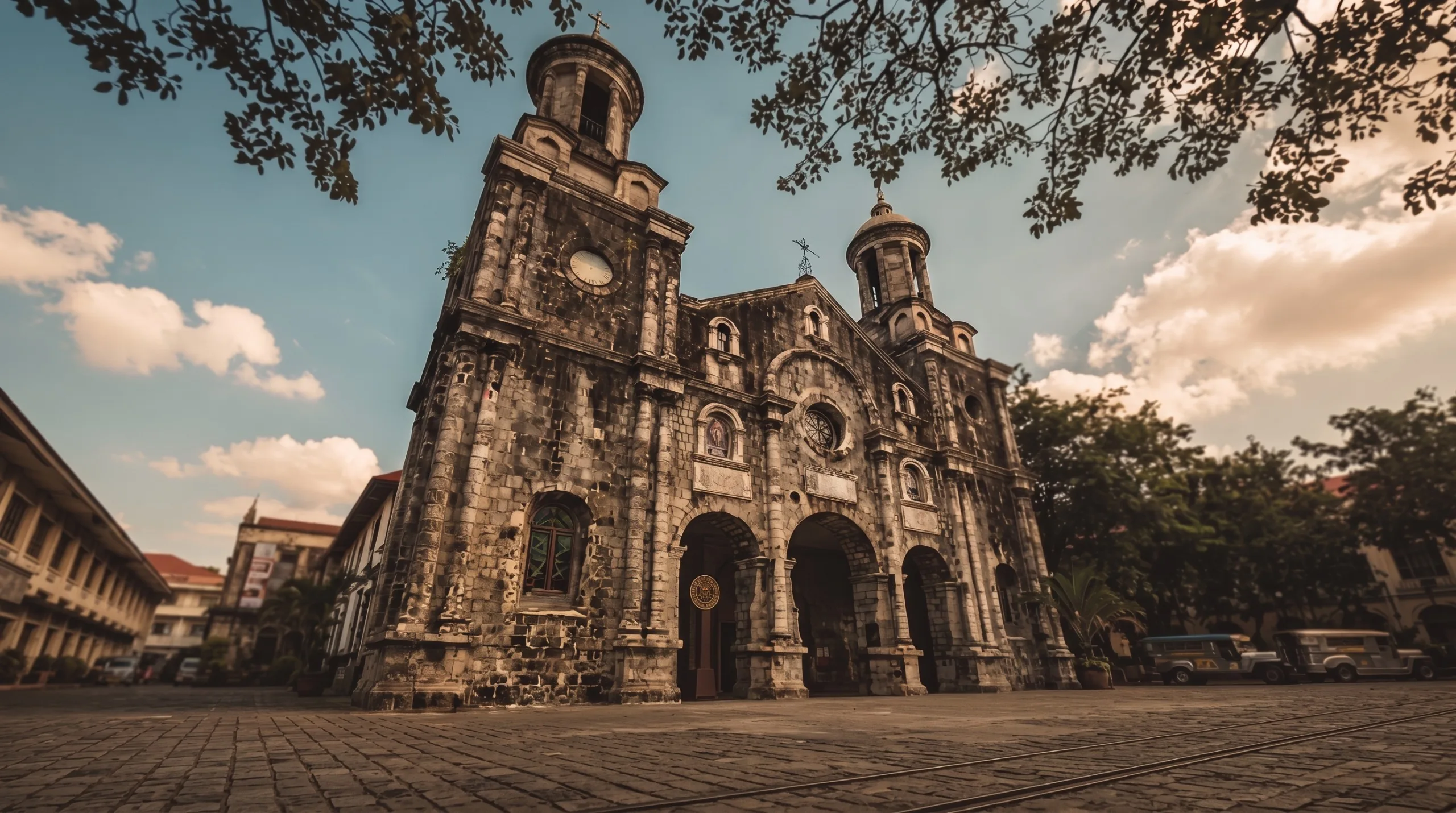
PHILIPPINES — Every September, the Philippines celebrates National Tourism Month, a nationwide invitation to explore the country's 7,641 islands. This year's celebration carries a transformative theme: "Digital Agenda and Artificial Intelligence to Redesign Tourism," signaling a new era of travel that blends technology with authentic cultural experiences.
A Season of Discovery and Purpose
National Tourism Month was established by Proclamation No. 894, signed by former President Fidel V. Ramos in 1996. The observance raises awareness about tourism's socioeconomic importance while positioning the Philippines as a global travel destination. Today, the Department of Tourism leads this celebration alongside local governments and grassroots communities.
Beyond generating revenue and jobs, tourism serves as the lifeblood of cultural preservation. From UNESCO World Heritage sites to marine sanctuaries, tourism gives communities the resources to protect their natural habitats and traditions. This month-long celebration highlights how travel can drive both economic resilience and environmental conservation.
Digital Innovation Meets Filipino Hospitality
The 2026 theme emphasizes how technology is reshaping the travel experience. AI-driven itinerary planners now build custom eco-tours based on traveler preferences. Smart ticketing systems at heritage landmarks reduce friction and make remote destinations more accessible than ever before.
The government is also focused on bridging the digital divide. Local tourism offices are conducting digital marketing workshops and AI tools training for community guides, homestay owners, and artisans. This inclusive approach ensures that tech-driven growth benefits small family-owned businesses, not just large corporations.
Beyond Sightseeing: Experiential Travel
The most noticeable shift this Tourism Month is the move from passive sightseeing to active, immersive travel. Today's travelers demand genuine connection—they want to feel a community's pulse and leave a positive footprint behind.
Travelers are now invited to master traditional crafts like weaving Inabel cloth in Ilocos. Farm-to-table experiences let visitors harvest organic cacao in Davao or pick strawberries in Benguet. Culinary heritage tours trace the indigenous and colonial roots of Filipino gastronomy.
Eco-conservation activities have also gained popularity. Mangrove planting initiatives, coral rehabilitation dives, and beach cleanup drives are hosted by coastal communities across the archipelago. These activities create direct income for local families while preserving cultural legacy.
Unforgettable Destinations Across the Archipelago
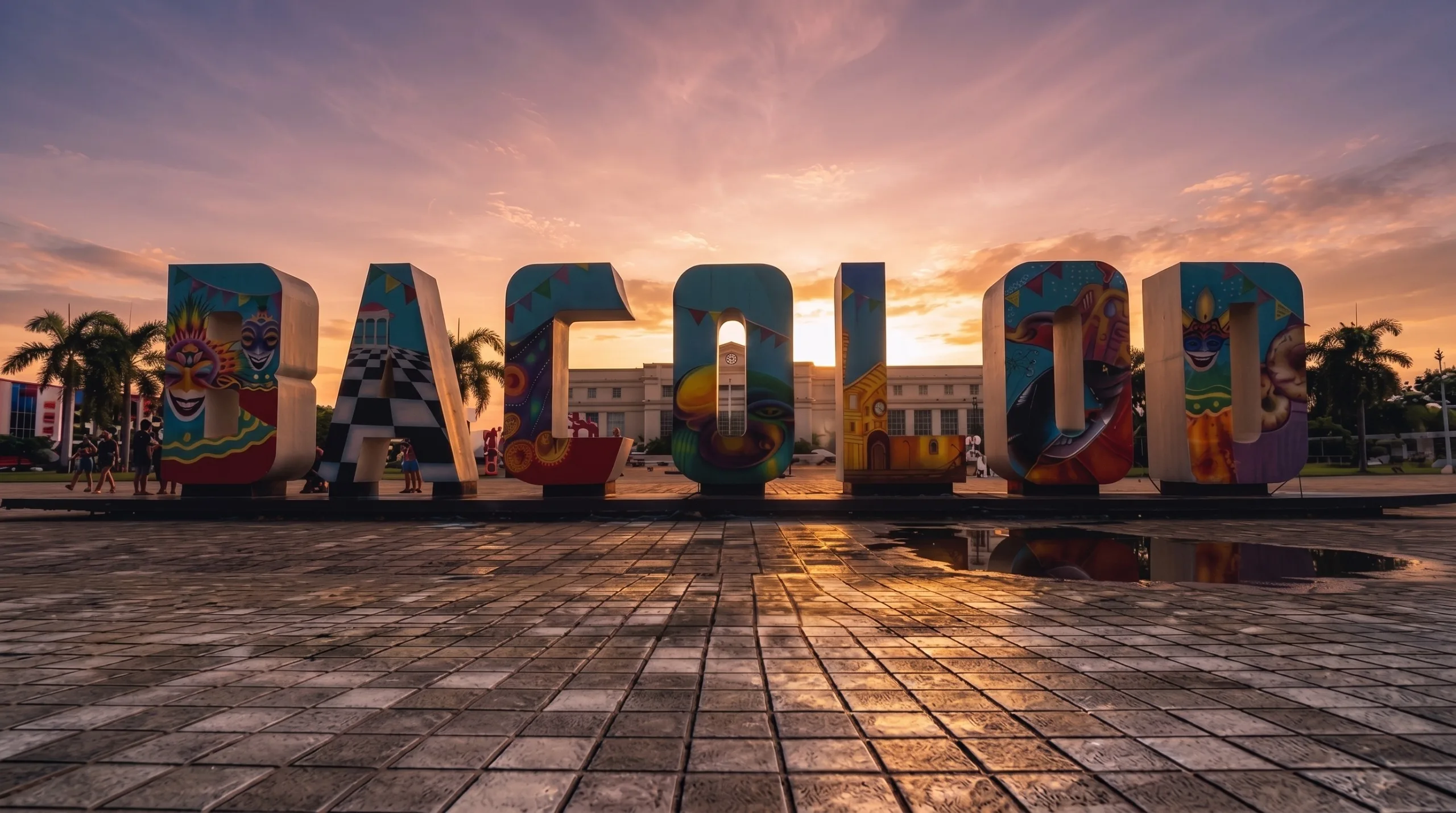
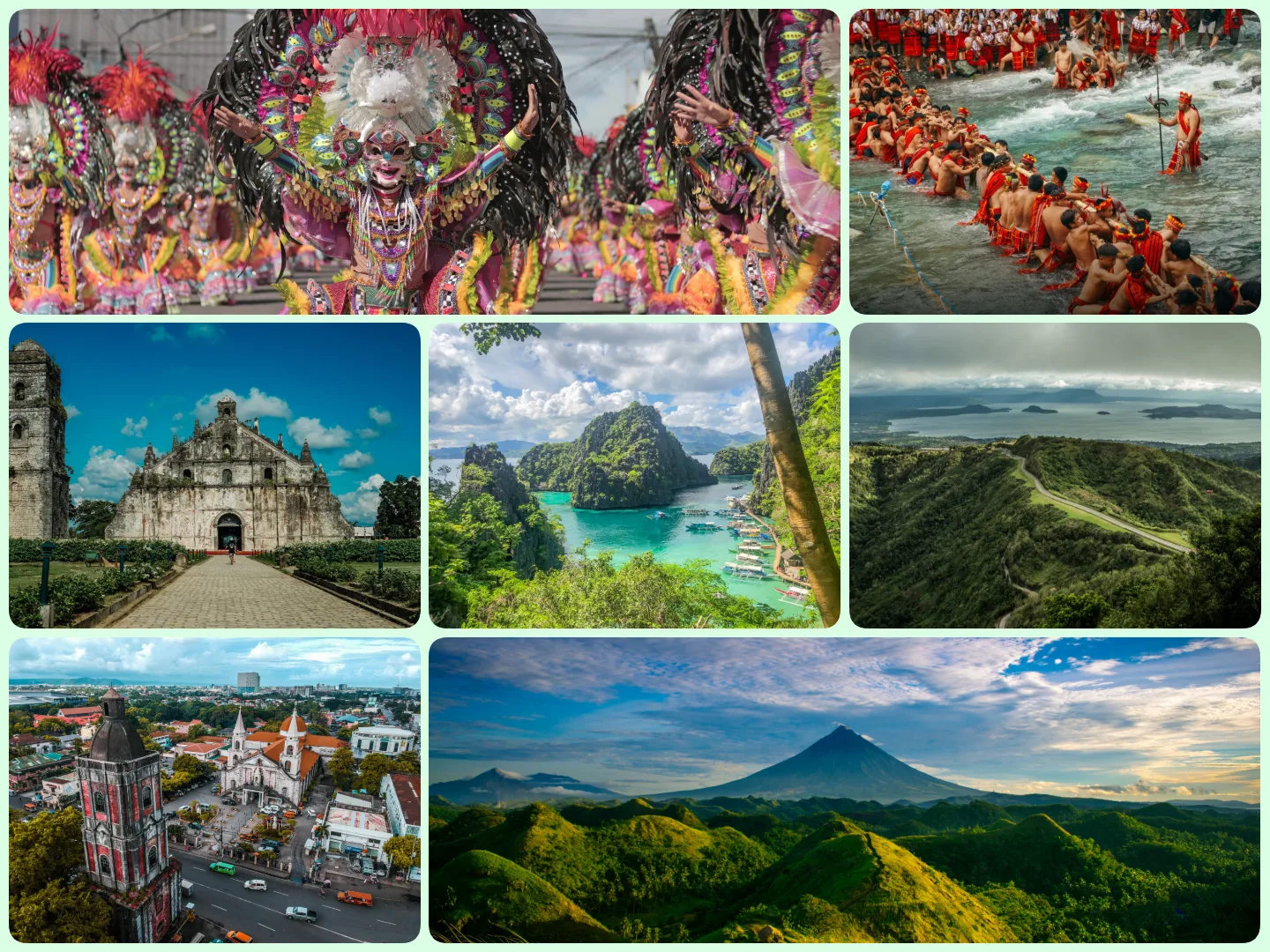
Luzon offers timeless allure with Vigan's cobblestone streets and the Cordillera highlands' ancient rice terraces. The Visayas captivates with Bacolod's MassKara Festival, Bohol's Chocolate Hills, and Cebu's blend of urban sophistication and natural wonder.
Mindanao showcases unspoiled wilderness with Surigao's Enchanted River, Davao's Mount Apo, and Siargao's world-class surfing. Each destination offers unique experiences that go beyond the typical tourist trail.
How to Be a Responsible Traveler
Supporting local economies directly is essential. Choose locally owned homestays, hire accredited guides, and buy crafts directly from artisans. Respect cultural norms by seeking permission before photographing indigenous people and dressing appropriately at sacred sites.
Practice zero-trace travel by carrying reusable bottles and disposing waste properly. Prioritize safety by booking through DOT-accredited establishments. Leverage digital tools wisely to verify prices and book eco-friendly activities directly with providers.
The Warmth of Bayanihan
The true magic of Philippine tourism lies in its people. The genuine warmth, resilience, and hospitality of the Filipino people leave an indelible mark on every visitor's heart. As September unfolds, take the opportunity to step off the beaten track and embrace the spirit of adventure.
Pack your bags, fire up your favorite travel apps, and journey across the islands. In the Philippines, there is truly always more to love.