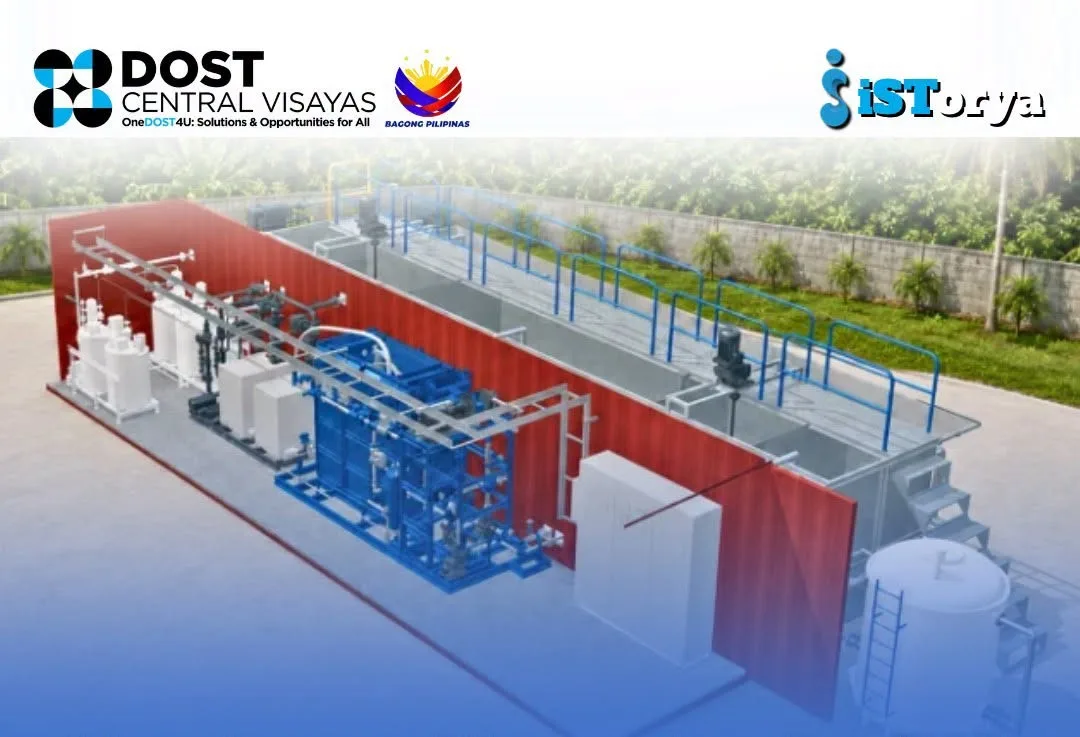
CEBU — A demonstration project exploring membrane bioreactor technology is advancing wastewater treatment solutions in Cebu, promising benefits for water security and environmental protection. The initiative brings together international and local partners to develop sustainable approaches to managing wastewater from hotels, resorts, and similar facilities.
A Technology That Combines Nature and Engineering
Membrane bioreactor technology combines microorganisms that break down pollutants with fine membranes that filter treated water. This dual approach produces cleaner effluent than conventional methods while requiring a relatively compact footprint. The system is particularly suited to hospitality establishments that generate significant wastewater volumes daily.
The project represents a significant step toward addressing water pollution at its source. By treating wastewater effectively, the technology reduces contaminants entering coastal waters and protects fragile marine ecosystems. It demonstrates how scientific innovation can solve practical environmental challenges in rapidly developing tourism destinations.
A Collaboration of International and Local Partners
The initiative brings together South Korea's HifilM, Vic Metal Fabrication and Environmental Services, the Korea Environmental Professional Engineers Association, and the Department of Science and Technology Central Visayas. This diverse partnership combines international technical expertise with local operational knowledge.
The collaboration extends beyond installing equipment. Partners are developing local operating capability so that Filipino technicians can maintain and operate the systems independently. This knowledge transfer ensures long-term sustainability and reduces dependence on foreign specialists for routine maintenance and troubleshooting.
Beyond Treatment: Opportunities for Safe Reuse
Effective wastewater treatment does more than reduce pollution. With appropriate testing and safeguards, treated water could support non-potable uses such as irrigation, landscaping, and industrial cooling. This reduces demand for freshwater resources, which become increasingly strained during dry periods.
The potential for water reuse aligns with circular economy principles that maximize resource efficiency. Hotels and resorts could significantly lower their water bills while contributing to conservation efforts. The demonstration project will gather data to validate these applications and inform future policy decisions.
Marking Completion and Planning Expansion
The project's completion will be marked on October 14, 2026, when partners and stakeholders gather to discuss how the technology can be rolled out across Central Visayas. The event will showcase results and explore pathways for broader adoption in the region.
Discussions will focus on scalability, financing mechanisms, and regulatory frameworks needed to support widespread implementation. Local government units, private sector representatives, and environmental agencies will participate in planning the next phase of deployment. The goal is to create a replicable model for other municipalities.
Supporting Smart and Sustainable Communities
The project supports the region's pursuit of smart and sustainable communities by linking wastewater management, technology transfer, and long-term water security. It addresses multiple sustainable development goals simultaneously, from clean water and sanitation to responsible consumption and production.
For Lapu-Lapu City and surrounding areas, the initiative offers a pathway to cleaner coasts and healthier communities. As tourism continues to grow, the need for robust environmental infrastructure becomes more urgent. This project demonstrates that economic development and ecological protection can advance together.