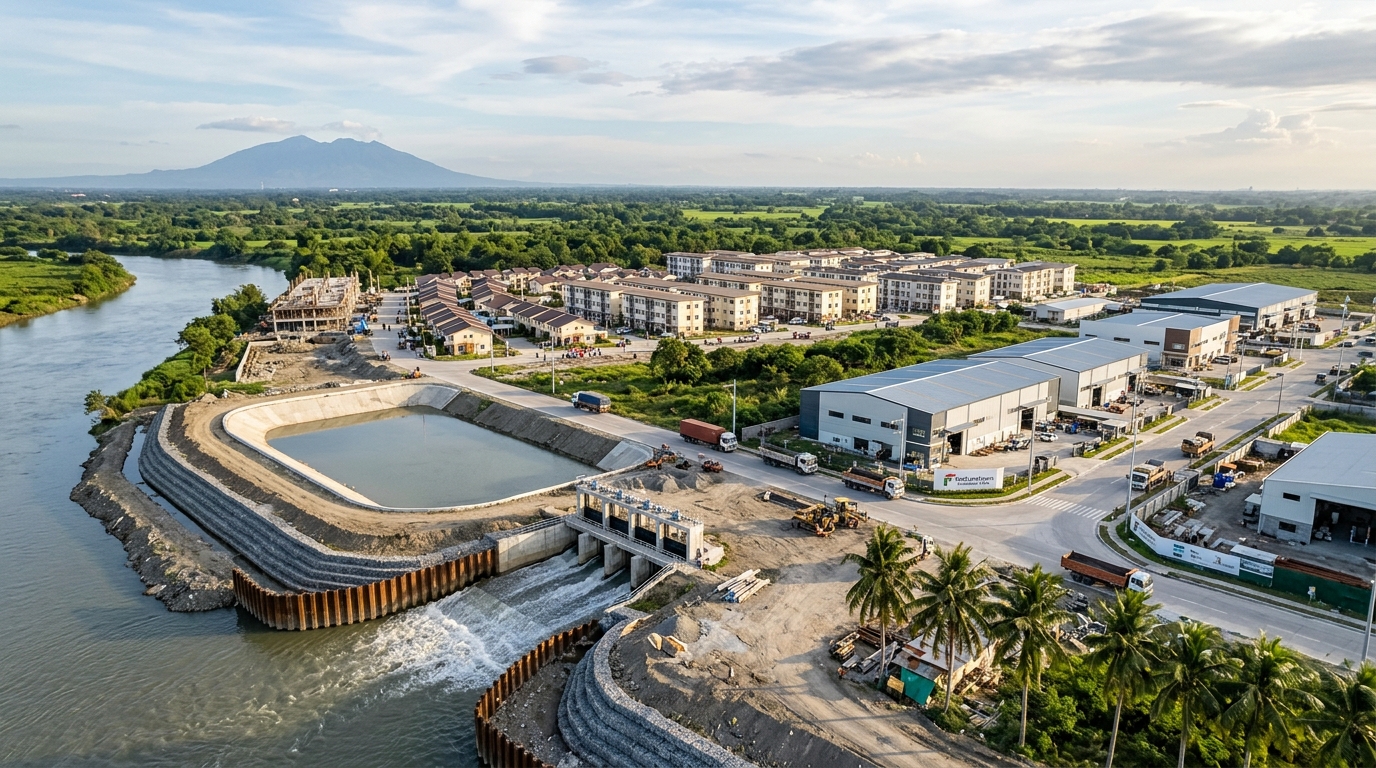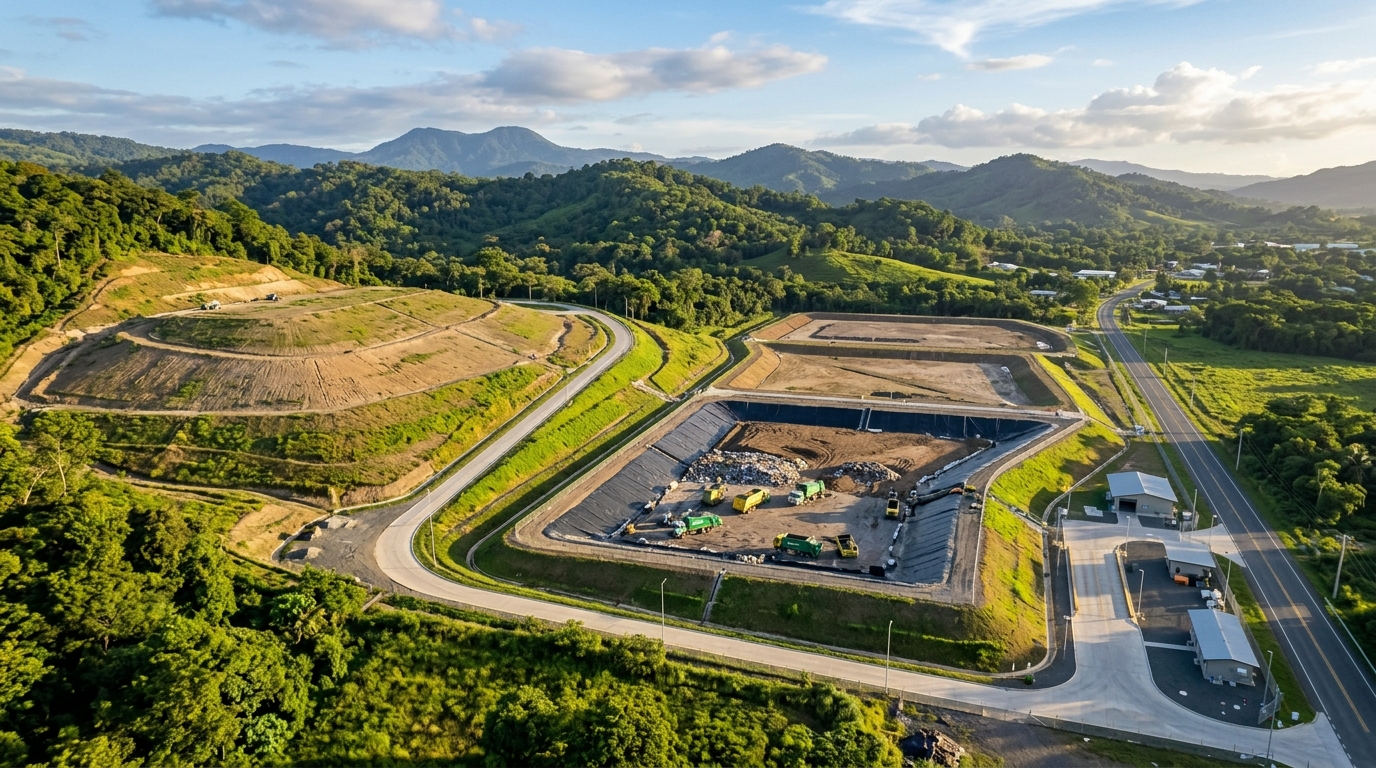
Davao — After weeks of intensive transition and planning, the Department of Environment and Natural Resources (DENR-Davao) has officially ordered the permanent closure of the old sanitary landfill in Barangay New Carmen. As of June 17, 2026, waste disposal operations have been successfully shifted to an operational "interim cell" within a modern, new sanitary landfill facility. This directive is part of a comprehensive move to ensure the highest standards of ecological safety and to protect public health from the risks associated with the old site. The shift marks a definitive step toward more sustainable, long-term waste management for the entire metropolitan area.
Prioritizing Ecological Integrity
The decision to permanently close the old facility comes after a commitment to align city operations with the Ecological Solid Waste Management Act of 2000. By halting all dumping activities at the old site, the government is prioritizing the rehabilitation of the area to prevent any further environmental degradation. This transition ensures that all waste is now being managed in a structurally prepared, modern facility designed to handle modern city needs. It is a necessary and significant development that addresses long-standing concerns regarding site stability and ecological impact.
Moving Toward Sustainable Infrastructure
The new facility is built with modern systems that minimize risks to the surrounding land and water, providing a much more robust framework for garbage disposal. This change is being closely monitored by both the DENR and the Environmental Management Bureau to ensure the city maintains its compliance with environmental regulations. By moving to this interim cell, the city avoids any disruption in essential waste disposal services, keeping the city clean during the transition. It represents a proactive investment in infrastructure that will serve the city’s growing population for years to come.
A Collective Effort for a Greener Future
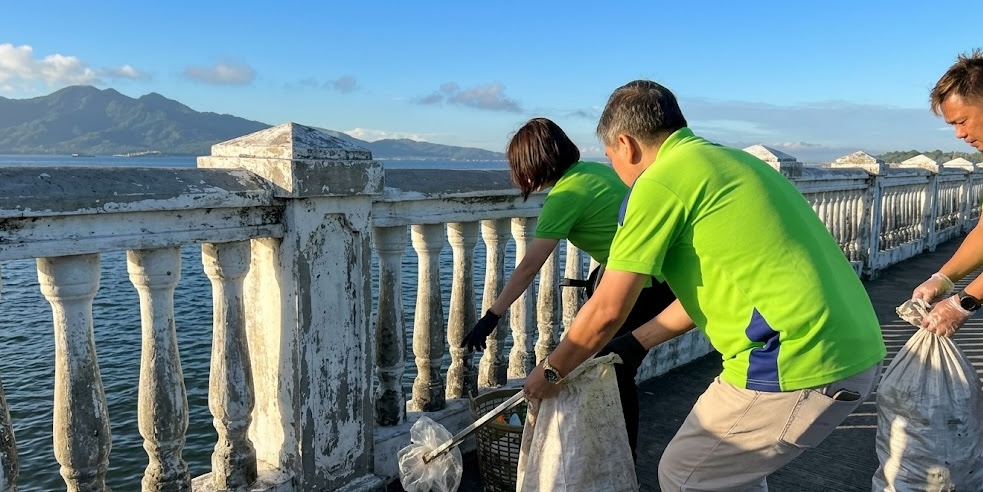
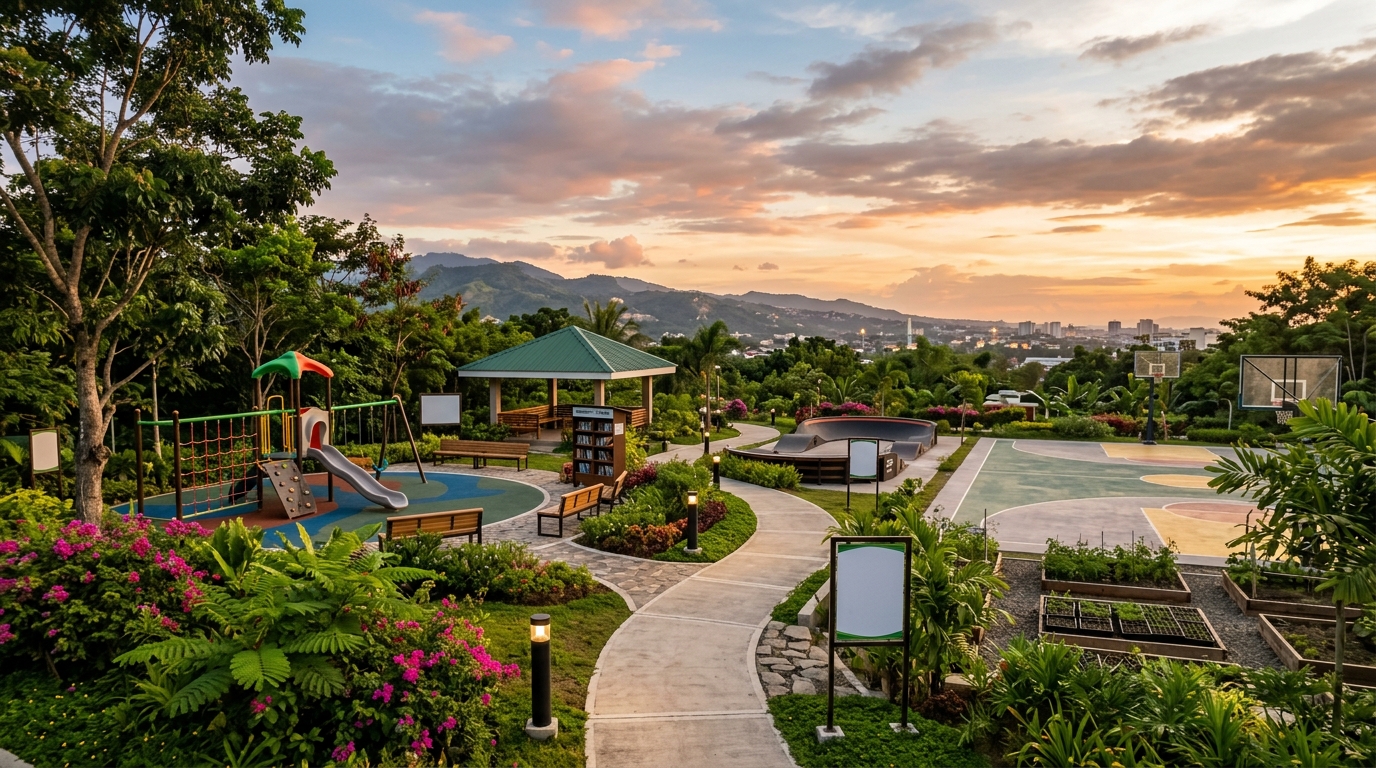
The success of this move relies on the close coordination between local government units and environmental oversight agencies. Beyond just the technical aspects of the landfill itself, the city is required to implement a formal Safe Closure and Rehabilitation Plan for the old site. This comprehensive plan will guide the restoration of the land, turning a site of concern into one that is ecologically stable. It is a clear example of how regulatory oversight can push for, and achieve, better outcomes for the community and the environment.