Health Begins Before Treatment
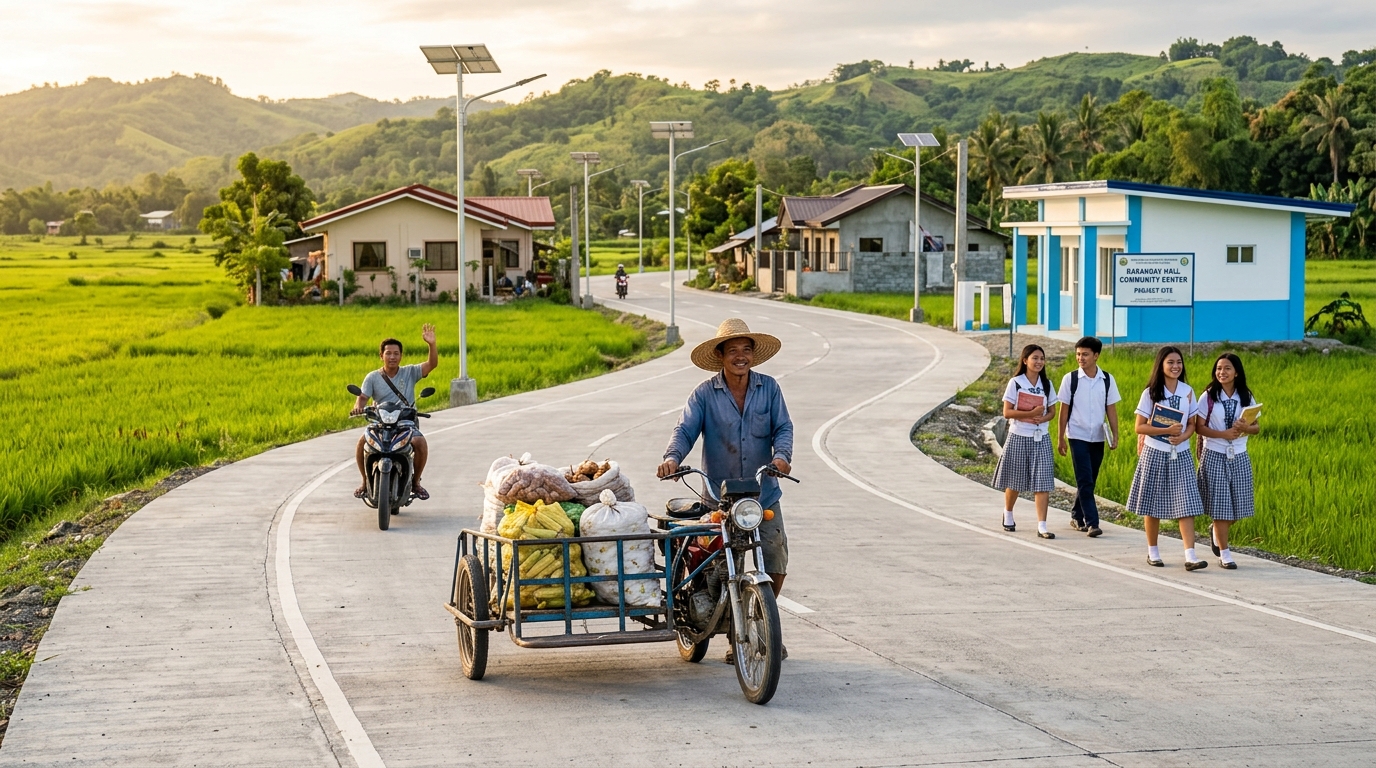
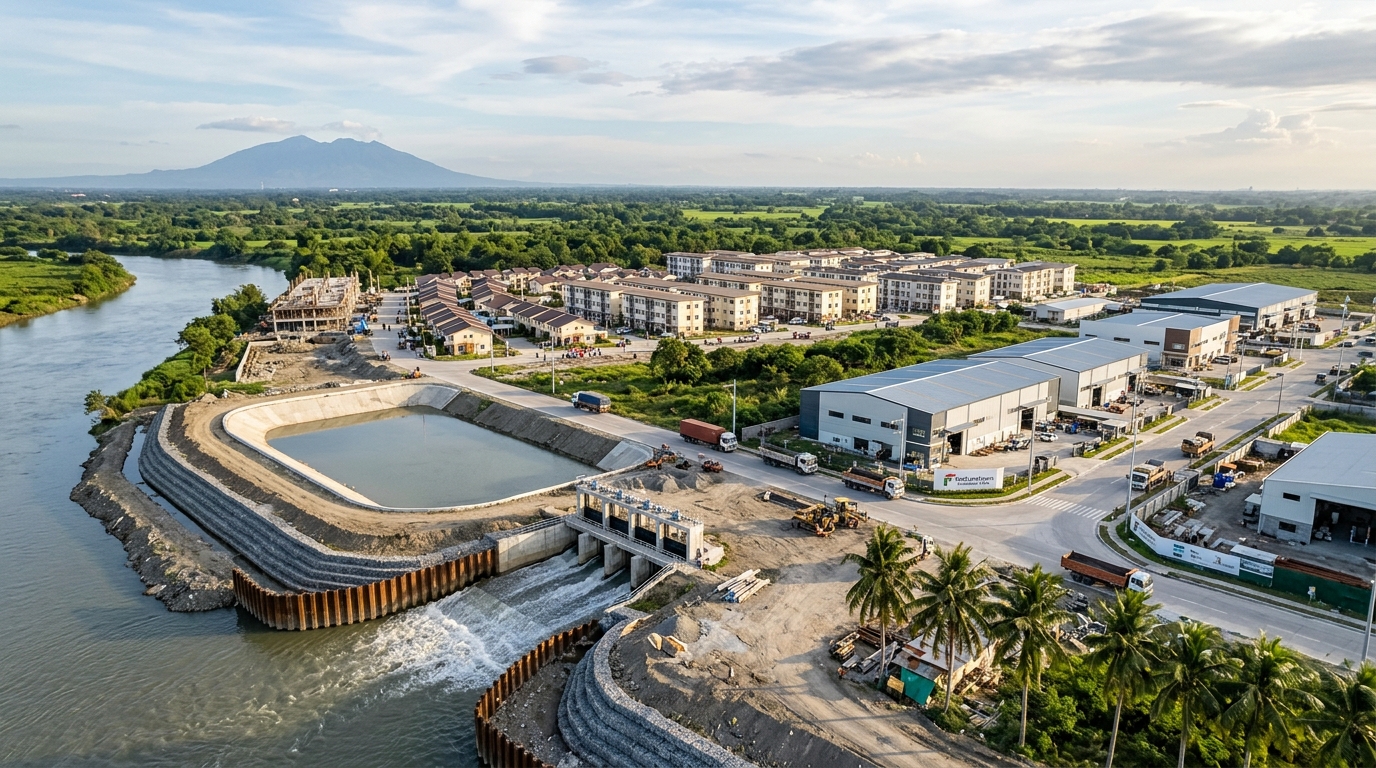
When a major emergency occurs, healthcare systems face challenges that extend beyond patient care. Transportation networks, utilities, communications, and public safety all affect how quickly assistance reaches those who need it. Following the earthquake that affected General Santos City and nearby areas, attention turned not only to medical facilities but also to restoring access and mobility. Roads, public infrastructure, and emergency coordination became essential parts of the response. The situation highlighted an important reality: healthcare functions best when supported by systems that allow communities to remain connected during periods of disruption
The Invisible Side of Recovery
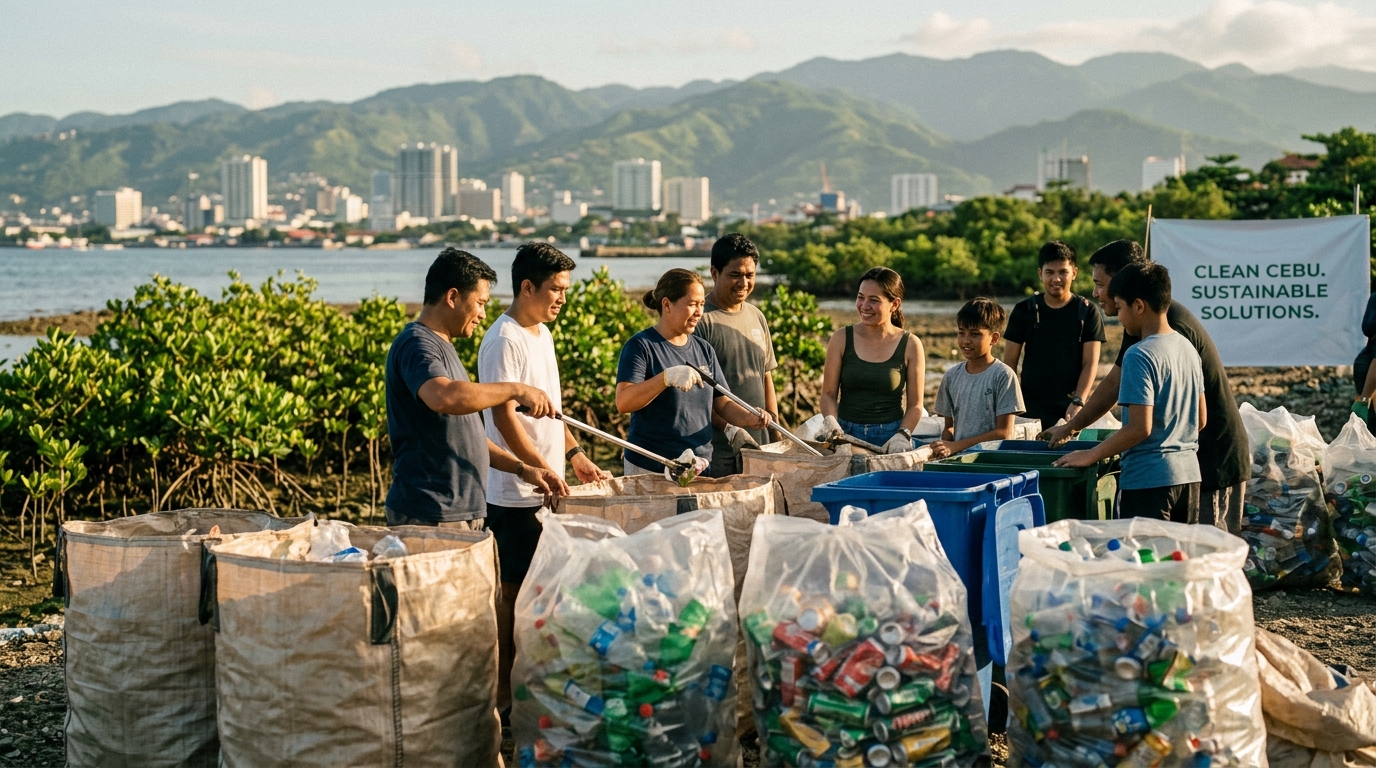
Public discussions often focus on physical injuries, but recovery also involves emotional and psychological well-being. Displacement, uncertainty, and interruptions to daily routines can affect individuals long after an emergency passes. Community support networks frequently become valuable resources during these periods. Neighbors assist neighbors, volunteers contribute their time, and organizations help address immediate needs. These actions may not occur inside hospitals, yet they play meaningful roles in recovery. Healthcare, in this broader sense, includes creating conditions where people can regain stability and continue moving forward despite unexpected challenges.
Building Readiness for Tomorrow
Preparedness is not solely about reacting to emergencies. It also involves learning from experience and identifying areas that can be strengthened. Infrastructure assessments, coordination efforts, and community participation all contribute to a stronger response capacity in the future. The events that affected General Santos City provided opportunities to evaluate existing systems and understand how different sectors work together under pressure. While recovery requires time, it also generates valuable insights. Those lessons can help shape future planning and encourage approaches that support both immediate response efforts and long-term public well-being.