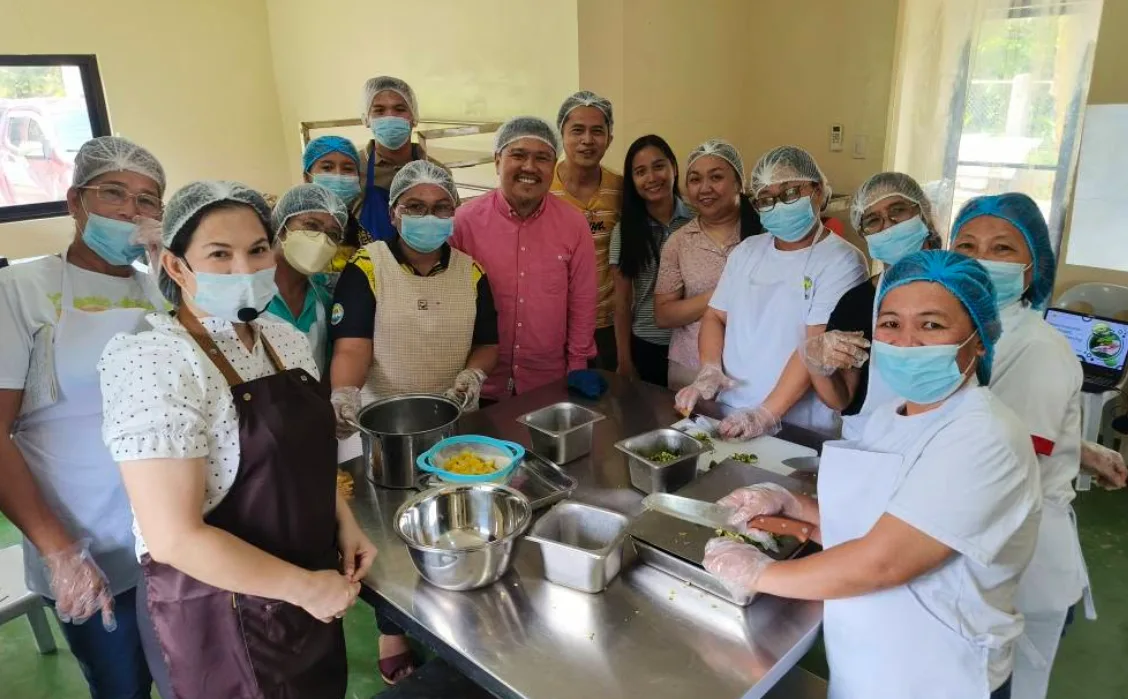
SULOP, Davao del Sur — Beneficiaries of Project LAWA at BINHI in Barangay Tanwalang completed a livelihood training on August 4, 2026, learning to farm tilapia and turn their harvest into profitable fish products. The initiative gives families the tools to earn from aquaculture and withstand economic shocks.
Learning to Farm Tilapia
Participants received hands‑on instruction in every stage of tilapia culture, from preparing ponds and monitoring water quality to stocking, feeding, and harvesting. Trainers from the Office of the Provincial Agriculturist and the Municipal Agriculture Office shared practical tips on maintaining healthy fish. The goal was to equip residents with skills that can immediately be applied in their own backyard ponds.
The training emphasized record‑keeping, so farmers can track expenses and profits accurately. This transforms a simple food source into a viable micro‑enterprise. By understanding the biology of tilapia, beneficiaries can increase their yield and reduce losses.
Turning Fish into Income
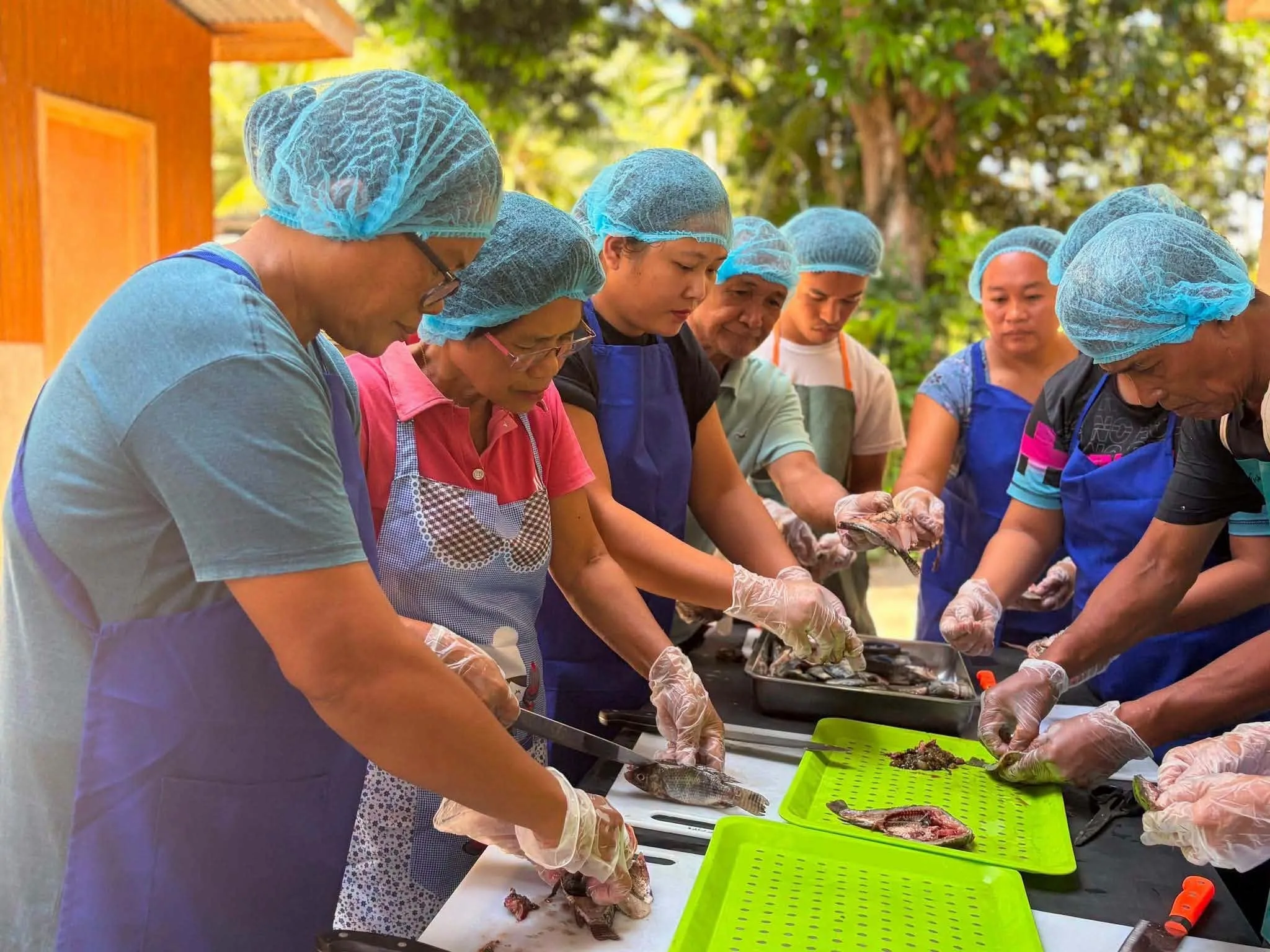
Beyond growing fish, the participants learned how to add value to their harvest. During a hands‑on session, they prepared marinated tilanggit, brined tilanggit, and deboned brined tilanggit. These processed products can be sold at higher prices than fresh fish, boosting household income.
Post‑harvest handling techniques were also taught to minimize spoilage. Beneficiaries discovered how simple methods like proper cleaning and salting can extend shelf life. This allows them to sell their products over a wider area and for longer periods.
A Network of Support
The training was organized by the DSWD Field Office XI, the provincial and municipal agriculture offices, and the local government of Sulop. Barangay Tanwalang officials and the Project LAWA at BINHI Association worked together to identify the beneficiaries. This multi‑agency collaboration ensures that the community receives comprehensive support.
The project is part of the DSWD’s Climate Change Adaptation and Mitigation – Risk Resiliency Program. It combines water access projects with nutrition and livelihood initiatives to help communities adapt to a changing environment. The tilapia training is one component of a broader effort to build self‑reliance.
Building Climate‑Resilient Livelihoods
Project LAWA at BINHI is designed to address both poverty and climate vulnerability. By teaching sustainable aquaculture, the program gives families a steady source of food and income even during dry spells. The newly trained residents of Barangay Tanwalang are now better prepared to face economic and environmental challenges.
The value‑added products like tilanggit open opportunities for local marketing and entrepreneurship. With continued support, these community‑based enterprises can grow and serve as models for neighboring barangays. The training marks a step toward a more resilient and prosperous Sulop.