PHILIPPINES — The Philippines closed Tourism Month with a major global milestone, emerging as the seventh-fastest improving economy in the World Economic Forum's 2026 Travel and Tourism Development Index. The country climbed eight places to rank 57th out of 110 economies, posting an overall score of 4.08.
A Significant Leap in Global Standing
The improvement represents a 5.5 percent increase in the country's TTDI score between 2024 and 2026, tying the Philippines with Morocco among the fastest improvers. Compared to the recalculated 2019 baseline, the country climbed twelve places with a 9.6 percent score improvement. The WEF classified the Philippines among the world's ten largest non-high-income tourism economies, alongside China, India, Indonesia, Malaysia, Thailand, Vietnam, Türkiye, Mexico, and Brazil.
Tourism Secretary Dita Angara-Mathay credited the collective efforts of the tourism sector, from airports and seaports to local markets and cultural destinations. She emphasized that international recognition proves the work is being felt globally, though she acknowledged there is still much ground to cover to ensure communities benefit through better jobs and livelihoods.
Sustainability Drives the Biggest Gains
Sustainability posted the country's largest ranking improvement, rising from 64th to 29th in the Travel and Tourism Sustainability dimension. Stronger scores in nature protection and wastewater treatment propelled this leap. Within this area, the Philippines ranked second globally in the Travel and Tourism Demand Sustainability pillar.
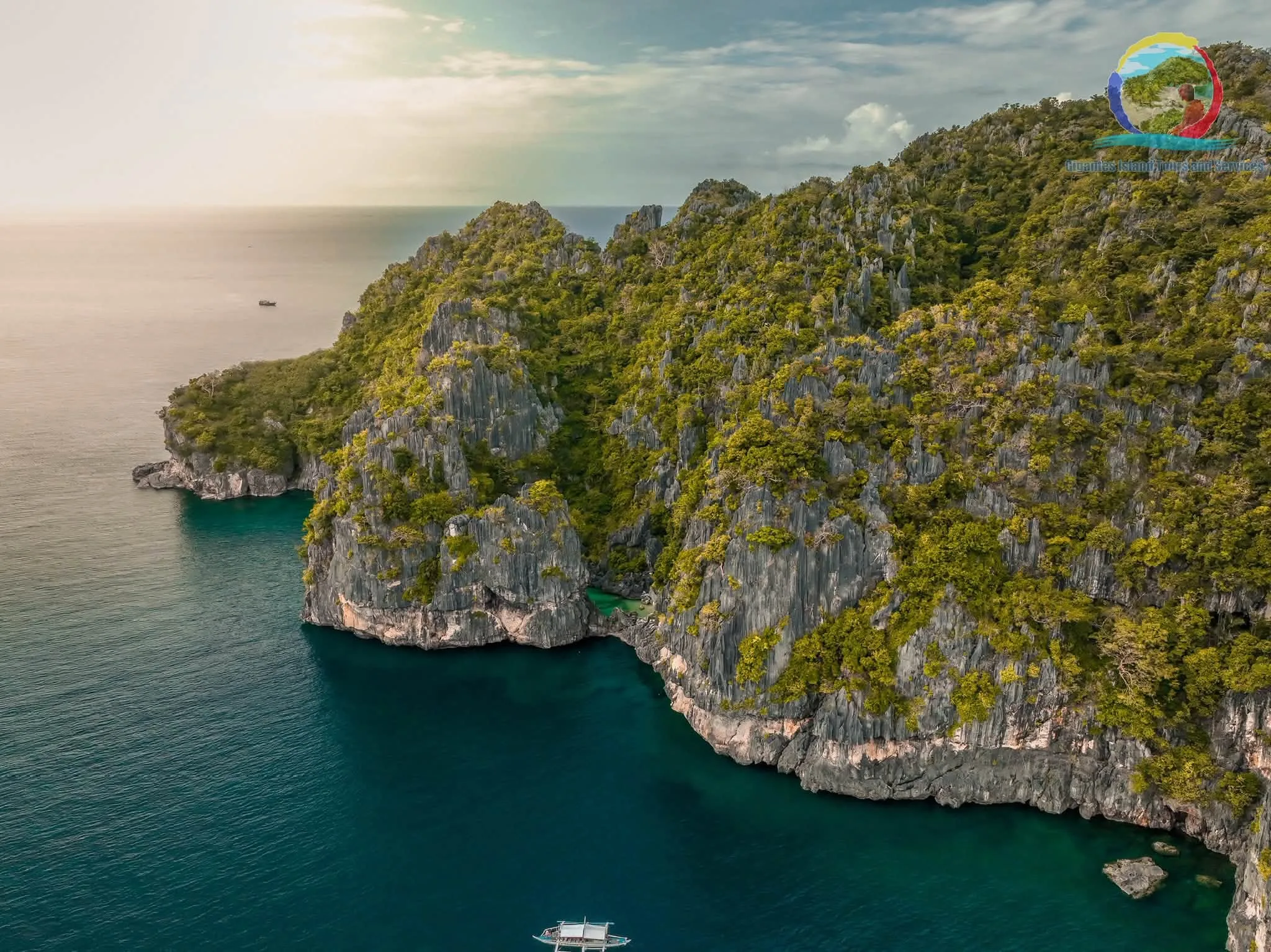
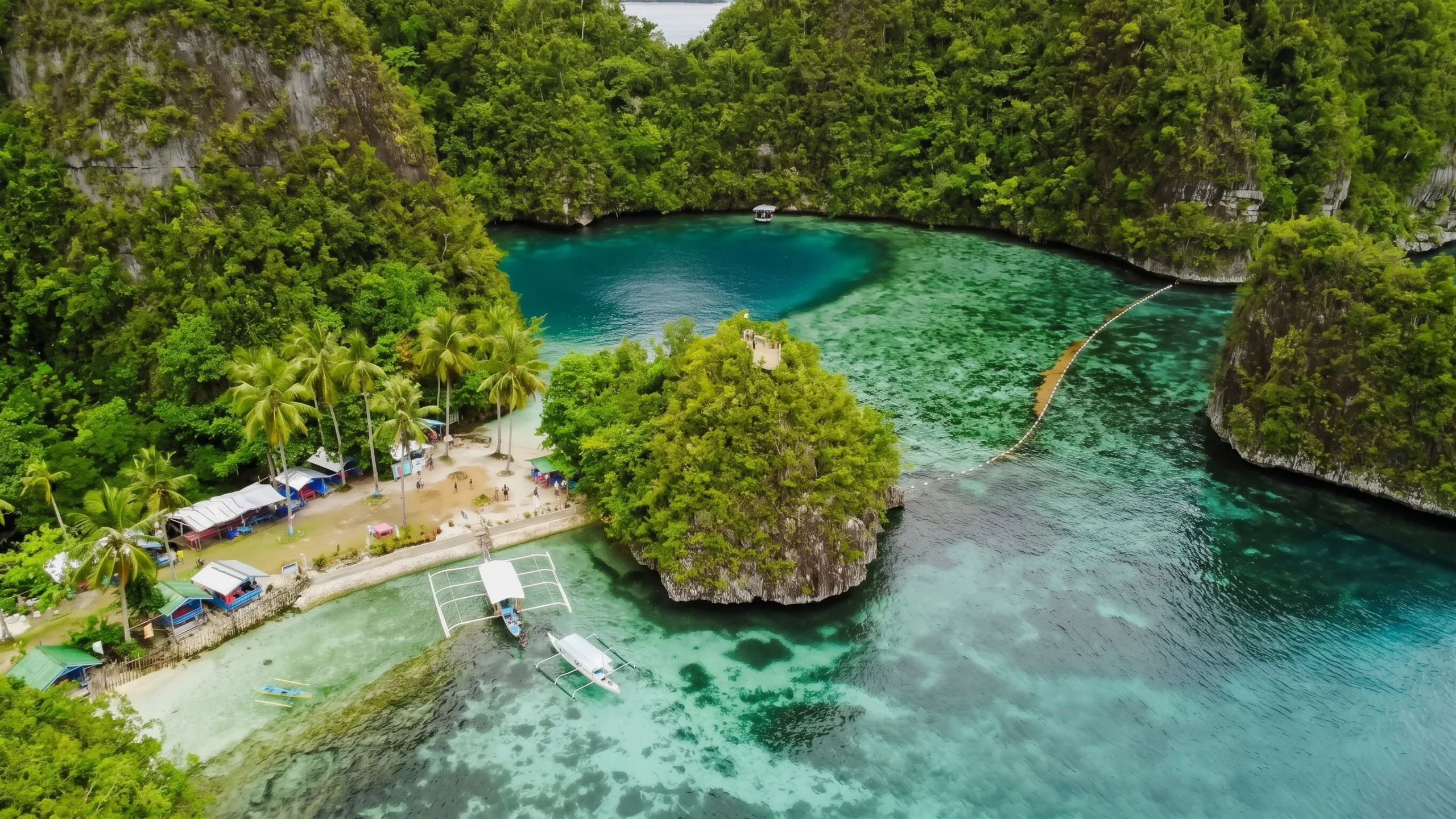
The score for geographically dispersed tourism jumped significantly, reflecting efforts to spread visitor traffic beyond crowded hotspots. These gains align with recent accolades, including the Global Dive Destination of the Year at the ADEX Big Blue Legacy Awards and Best Dive Destination at the DRT Show Shanghai. Angara-Mathay stressed that protecting islands, reefs, forests, and heritage sites remains a key priority.
Transport Connectivity and Safety Improvements
Ground transport and port connectivity climbed from 80th to 49th place, with 26 spots gained in just two years. Higher ratings for seaport, public transport, and train efficiency drove this progress. The improvement reflects stronger collaboration between the Department of Tourism and the Department of Transportation, alongside aviation and public works agencies.
Safety and security also advanced, moving from 93rd to 73rd, as homicide incidents fell from about 10.5 to 4.4 per 100,000 people. The DOT credited close coordination with the Philippine National Police on tourist safety, including the recent rollout of a manual on tourist safety and disaster response.
Culture and Policy Fuels Momentum
Culture and heritage recorded the largest score increase of any pillar, rising 43 percent since 2019 and lifting the country from 52nd to 38th. International recognition has grown, with five UNESCO Creative Cities now designated, up from just one in 2019. Policy and enabling conditions climbed from 33rd in 2019 to 12th in 2026, as government tourism spending increased from 3.1 to 5.8 percent of the national budget.
The WEF identified Asia-Pacific as the global leader in tourism development improvements, with seven of the ten fastest-improving economies coming from the region. While the Philippines excels in price competitiveness and natural resources, gaps remain in tourist infrastructure and workforce capabilities. Narrowing these gaps will require sustained investment and regulatory reforms.