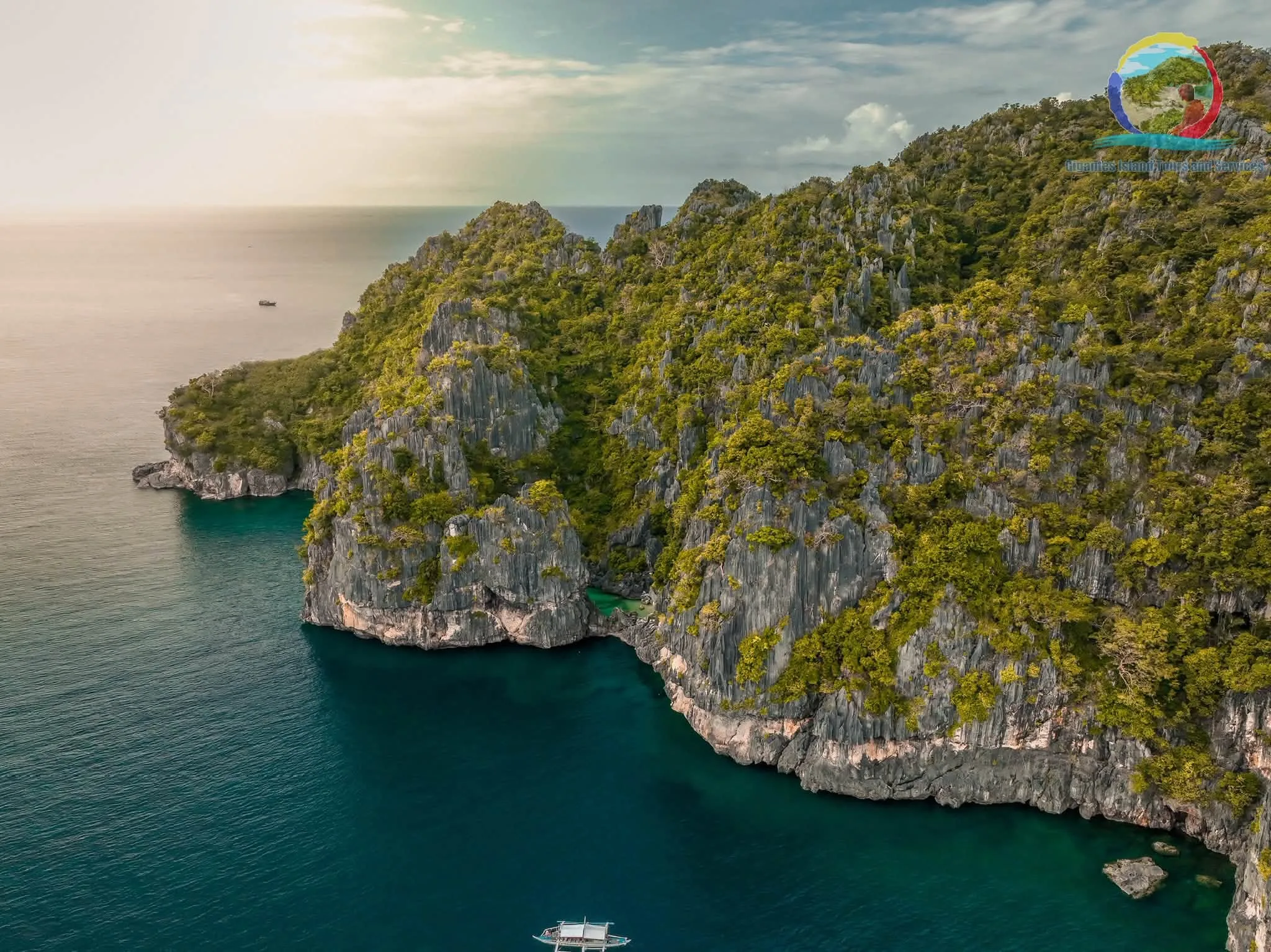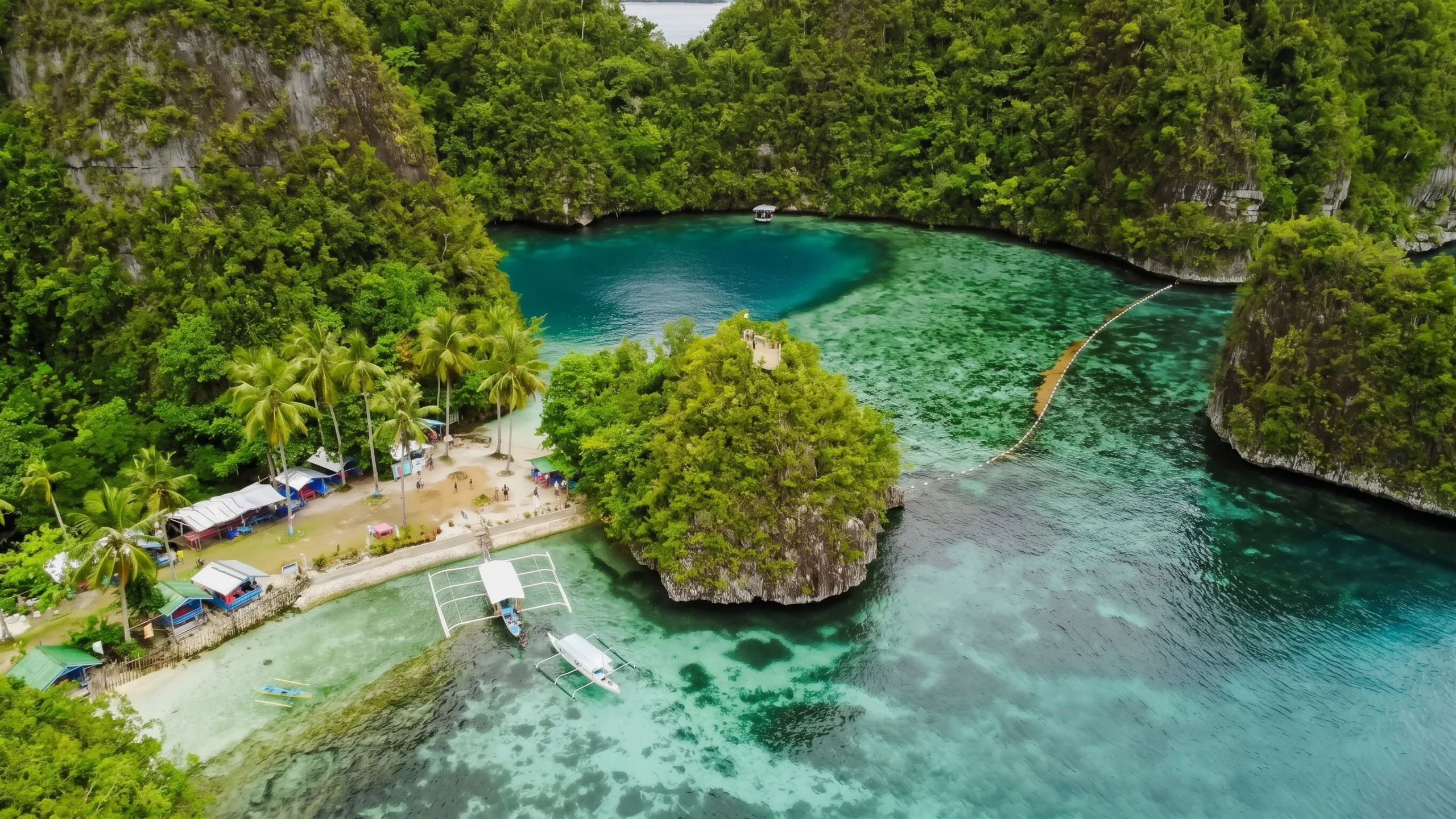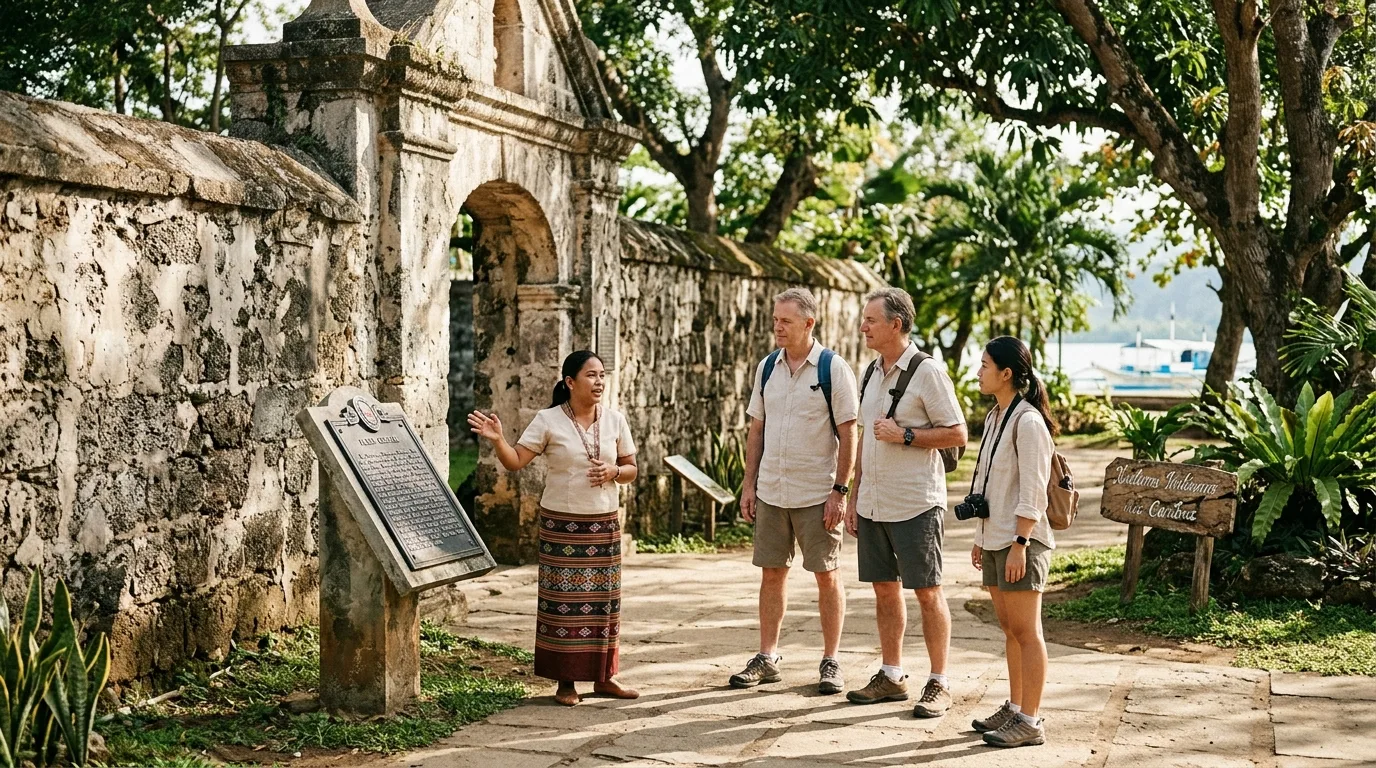
Palawan — Beyond its pristine white-sand beaches, towering limestone karsts, and turquoise lagoons, Palawan holds a deep historical narrative written into its oldest structures. Beneath Puerto Princesa’s modern eco-tourism hub lies an intricate tapestry of ancient indigenous trade, colonial defense, and wartime resilience. Exploring the island’s heritage sites offers travelers a rare, profound glimpse into how an isolated frontier transformed into a world-renowned ecological haven. By learning to read these historical landmarks, visitors can decode the true character and enduring spirit of Palawan.
Ancient Coastal Trade and Indigenous Guardianship
Long before colonial forces charted the island's waters, Palawan served as a vital trade bridge connecting ancient Southeast Asian kingdoms. Nearby archaeological sites like the Tabon Caves reveal that early settlers traded extensively with Chinese, Malay, and Bornean merchants centuries ago. As coastal communities expanded, native tribes developed a deep, sacred relationship with the island’s rich terrestrial and marine ecosystems. Navigating Palawan's cultural history through comprehensive travel guides on Guide to the Philippines helps visitors appreciate how this ancient indigenous stewardship laid the foundation for the province’s modern eco-conservation identity.
Remnants of Colonial Fortifications and Spiritual Havens
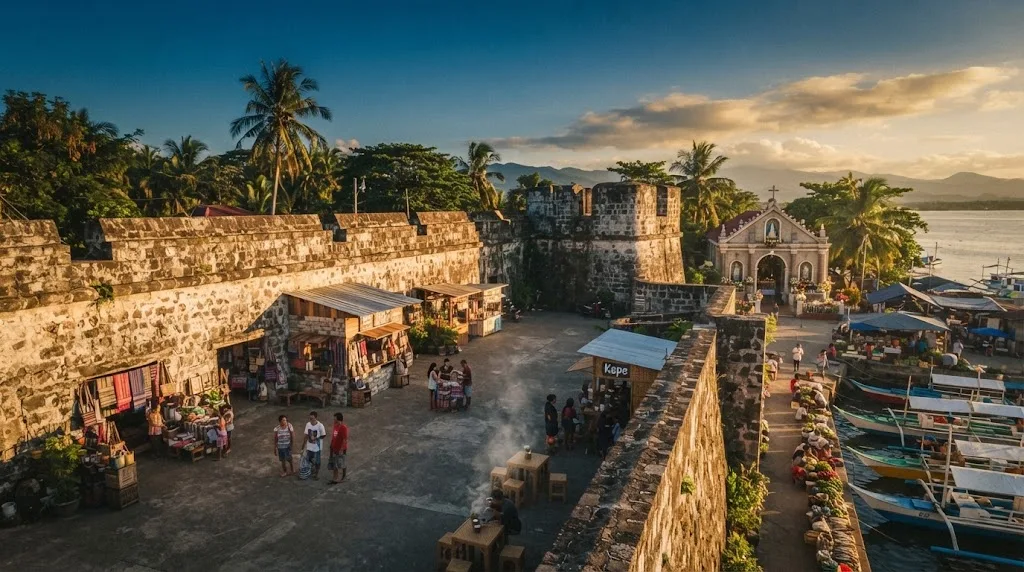
The architectural landmarks in downtown Puerto Princesa reflect the dramatic geopolitical shifts that occurred during Spanish rule. Directly across from the historic coastal promenade sits the iconic Immaculate Conception Cathedral, a striking blue-and-white structure marking the site of the city's very first Catholic mass in 1872. Just steps away lies Plaza Cuartel, a restored Spanish garrison that later became the site of harrowing WWII events, standing today as a solemn monument to human bravery and military sacrifice. These preserved stone structures demonstrate how local communities continuously sought solace, strength, and spiritual refuge throughout centuries of foreign occupation.
Civic Experimentation and Modern Rebirth
Palawan’s historical evolution also features unique administrative experiments, most notably the establishment of the Iwahig Prison and Penal Farm in 1904. Designed during the American period as a "prison without bars," the facility allowed inmates to farm, craft artisanal goods, and manage community life, creating an innovative model of restorative justice. Exploring these historic grounds through verified city tours on Tripadvisor highlights the island's long tradition of community-centered governance and rehabilitation. Ultimately, Palawan’s historical landmarks reveal that its true beauty lies not just in its tropical scenery, but in the extraordinary resilience and unity of its people.