A Fresh Take on Everyday Shopping
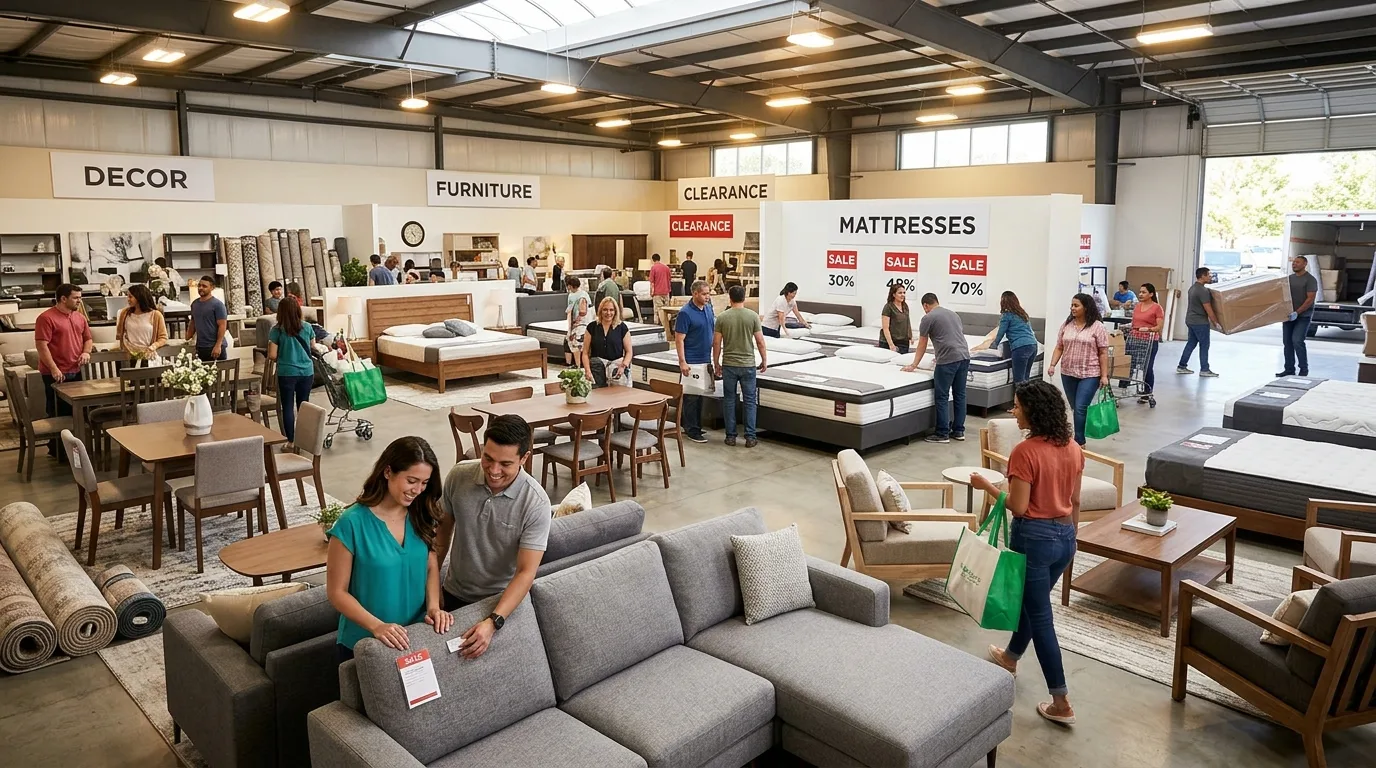
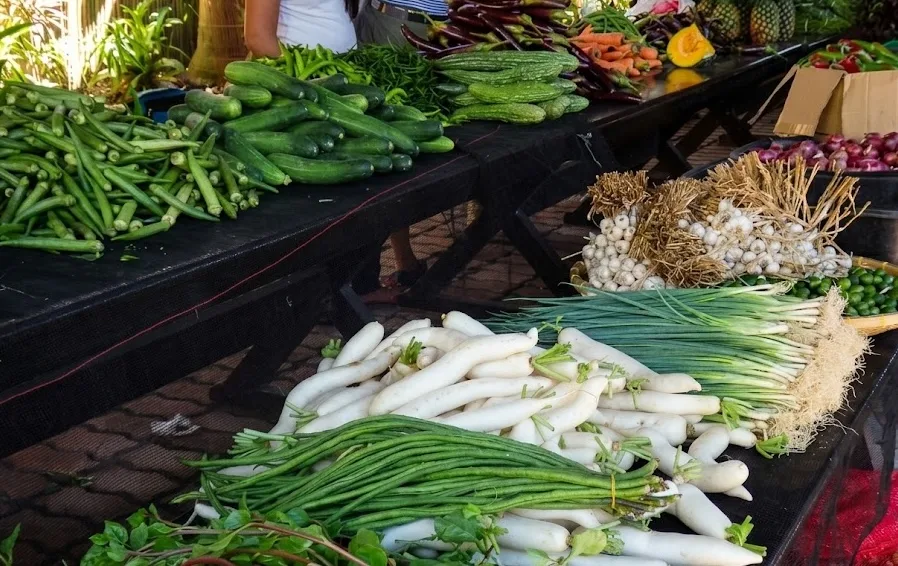
GENERAL SANTOS CITY - For many families, visiting the public market has always been part of weekly routines. The planned redevelopment introduces wider walkways, better ventilation, cleaner facilities, organized vendor spaces, and commercial areas designed to improve the overall experience for both shoppers and vendors. Instead of simply completing grocery lists, visitors can spend more time exploring fresh produce, regional delicacies, handmade products, and specialty shops in a more comfortable environment. These improvements encourage residents to enjoy the market as a community destination rather than treating it as a quick stop before heading home.
Dining and Local Businesses Share the Spotlight
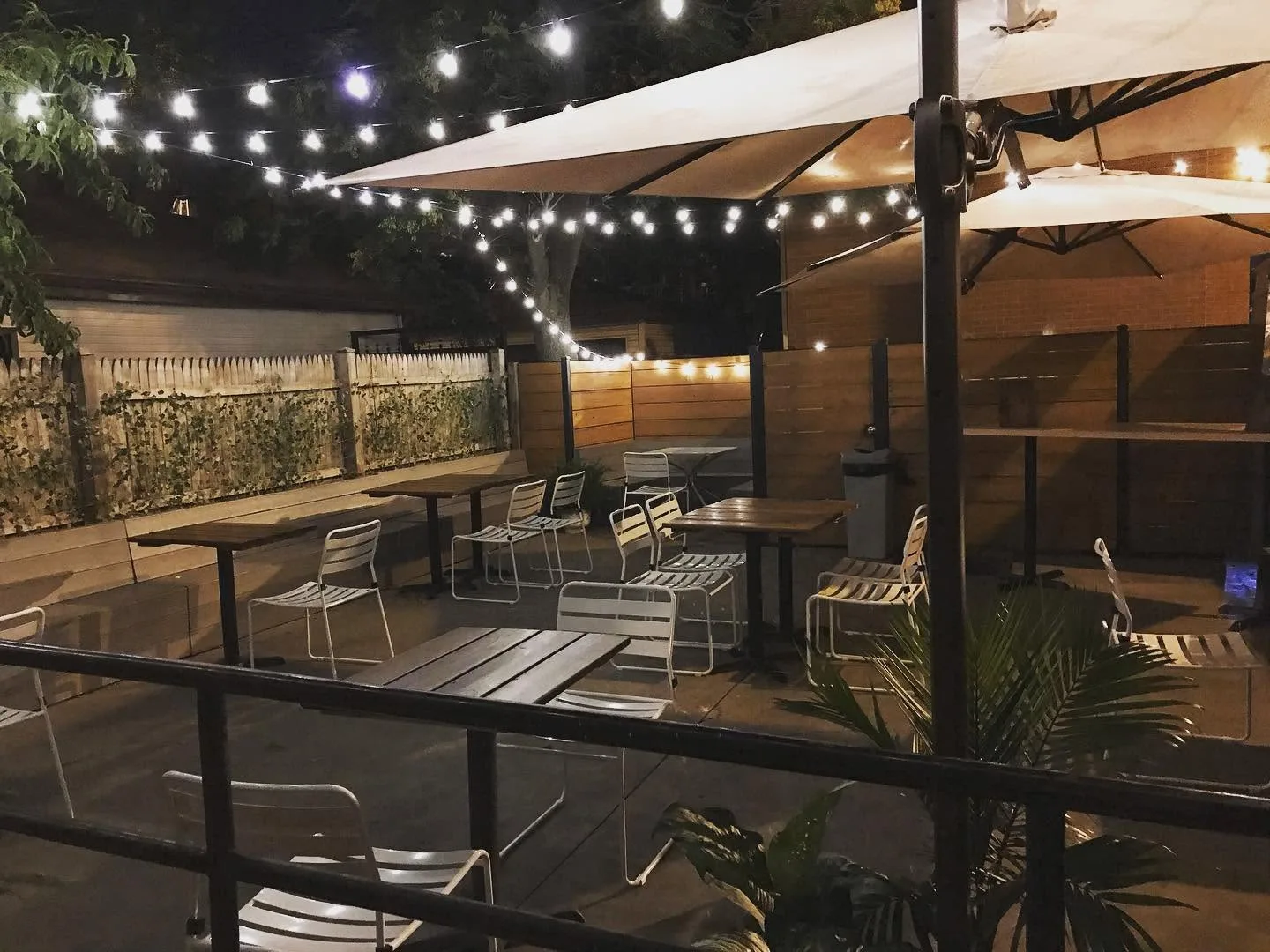
Modern public markets increasingly blend commerce with food experiences, creating spaces where visitors can enjoy local cuisine after shopping. Restaurants, cafés, snack stalls, and specialty food vendors often benefit from increased foot traffic generated by market visitors. For entrepreneurs, this creates opportunities to introduce unique products while serving both residents and tourists. The concept also supports nearby businesses because shoppers frequently explore surrounding commercial establishments before or after visiting the market. This combination of retail and dining helps strengthen the city's local economy through everyday consumer activity.
Lifestyle Spaces Strengthen Community Connections
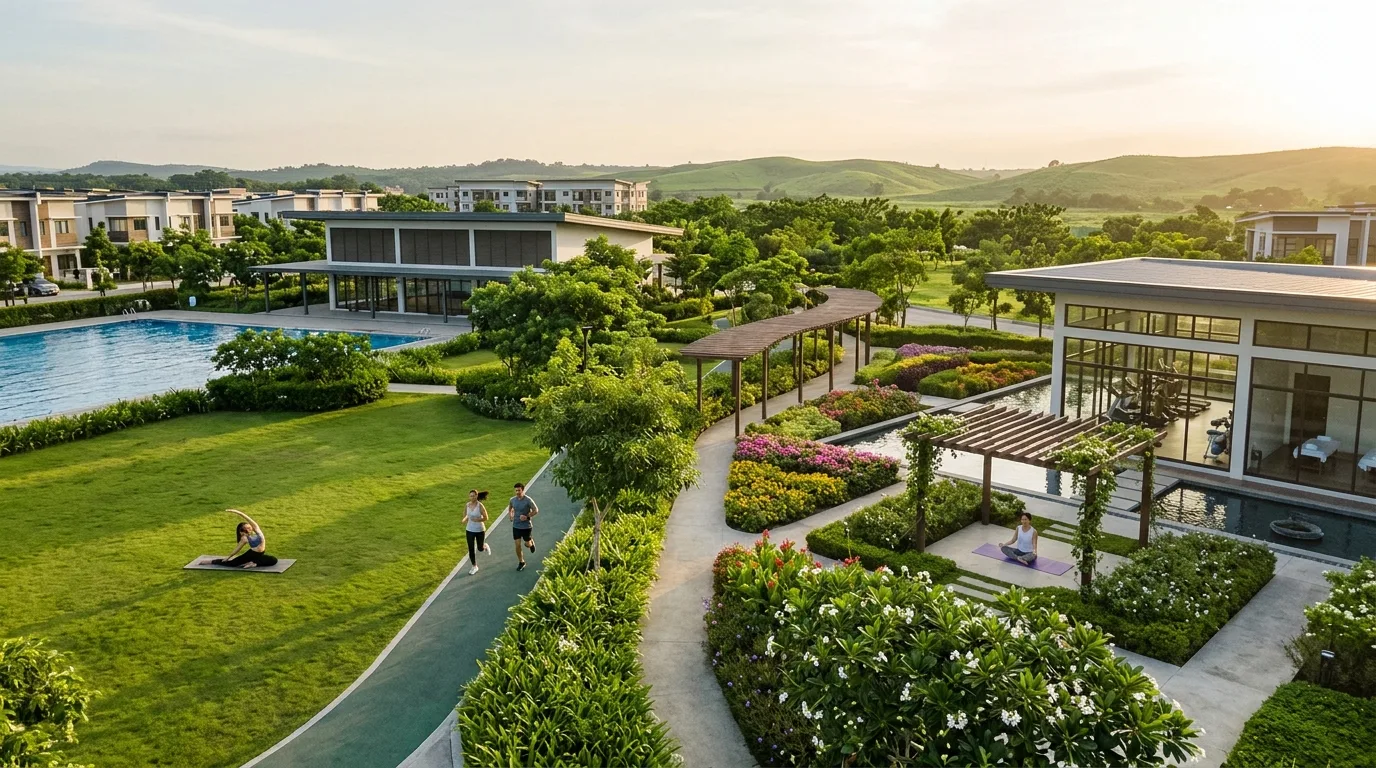
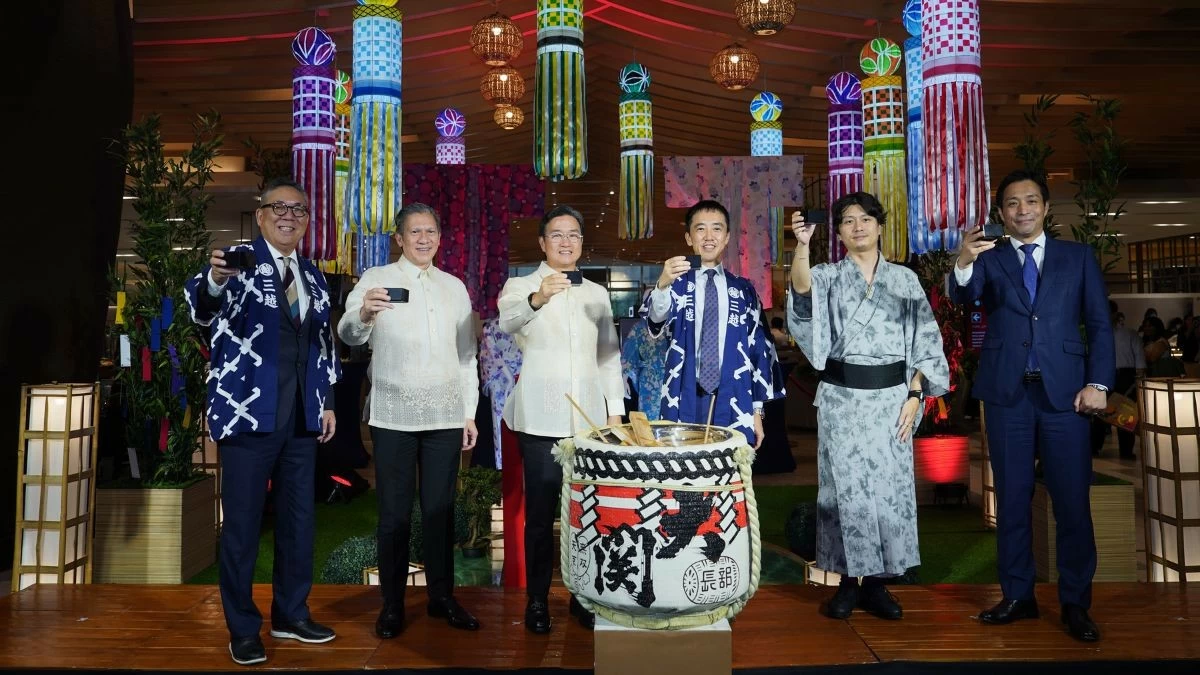
Public places often become meaningful because of the interactions they encourage. A modernized market provides opportunities for families to gather, friends to meet over meals, and visitors to discover local products that reflect General Santos City's character. Community events, seasonal exhibits, and cultural activities can further enhance these shared spaces while supporting local enterprises. As General Santos City continues investing in improved public infrastructure during 2026, projects like Palengke Heneral illustrate how thoughtful urban design can enrich everyday lifestyles while preserving the important role public markets have played for generations.